20 River Rock Landscaping Ideas | Beautiful Outdoor Space
River rocks are a simple and versatile landscaping material that can completely change the look of your outdoor space. Their smooth, rounded shape and natural colors work beautifully with gardens, pathways, patios, water features, flower beds, and modern yards.
Whether you want a low-maintenance landscape, a natural backyard, or a stylish modern garden, there are plenty of ways to use river rocks. From dry creek beds to decorative borders, these 20 river rock landscaping ideas can help you create an attractive and functional outdoor space.
20 River Rock Landscaping Ideas | Beautiful Outdoor Space:
1. Create a River Rock Garden Border
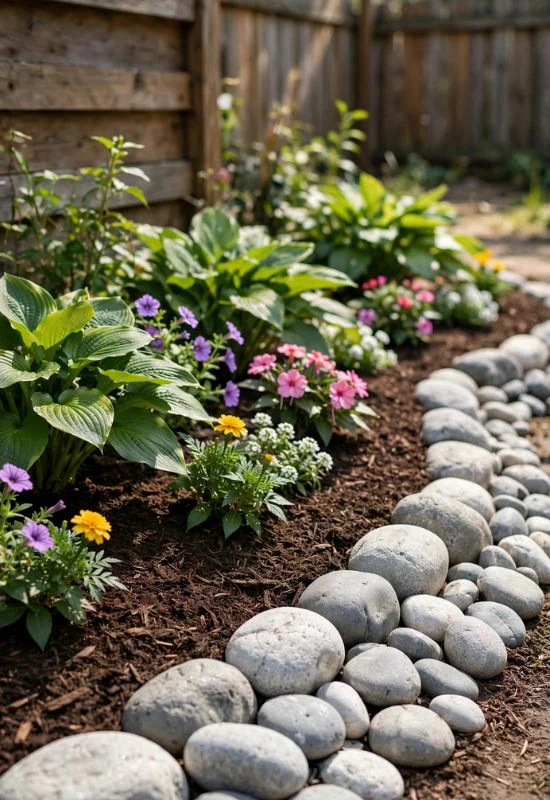
One of the easiest river rock landscaping ideas is using stones as a border around flower beds.
Define Your Garden Beds
Place medium-sized river rocks around flower beds, shrubs, or lawn areas to create a clear separation between different parts of the yard.
Choose stones with similar colors for a neat appearance, or mix different sizes for a more natural look.
Add Plants for Contrast
River rocks look especially attractive next to colorful flowers, ornamental grasses, shrubs, and ground-cover plants. The contrast between greenery and smooth stones creates a balanced landscape.
2. Build a Dry River Bed

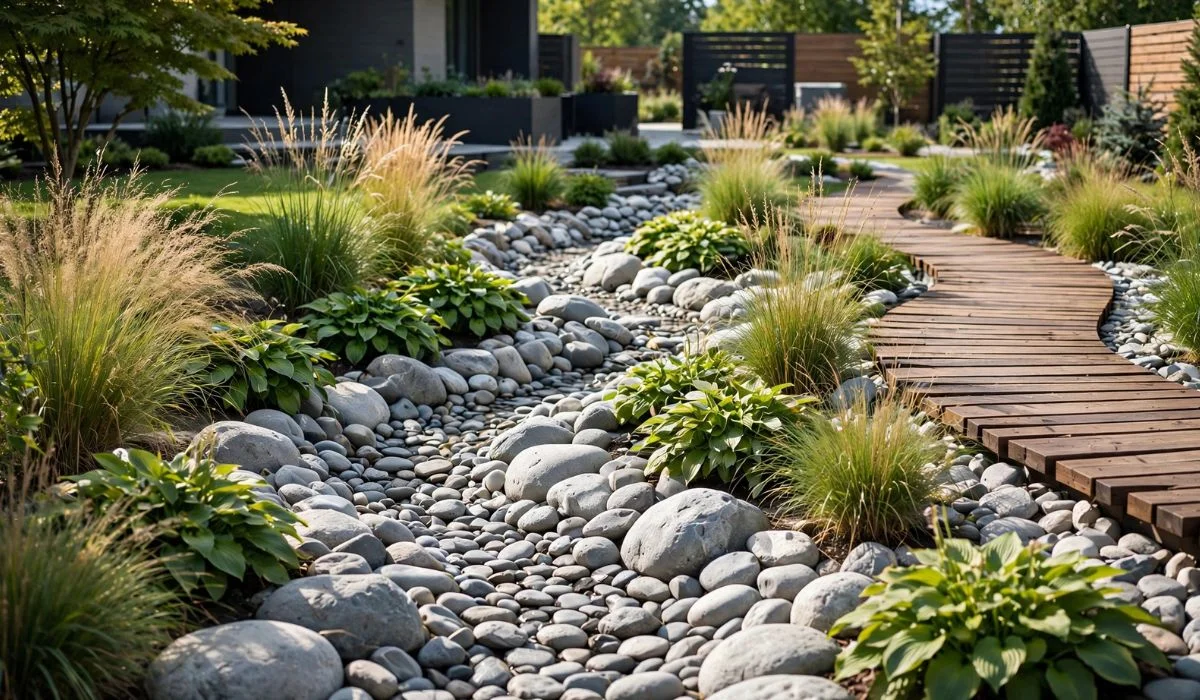
A dry river bed is a popular landscaping feature that can give your yard a natural creek-like appearance.
Use Different Rock Sizes
Start with larger stones along the edges and use smaller river rocks in the center. Create gentle curves rather than a perfectly straight line for a more natural appearance.
Add Plants Around the Creek
Plant grasses, shrubs, and other suitable plants along the edges. This makes the dry river bed look more like a natural landscape rather than a simple strip of rocks.
3. Design a River Rock Pathway
River rocks can be used to create attractive garden pathways between flower beds, patios, and other outdoor areas.
Combine Rocks With Stepping Stones
Loose rounded stones can be uncomfortable or unstable to walk on by themselves. For frequently used paths, place flat stepping stones through the river rock surface.
This creates a practical walkway while maintaining a natural appearance.
4. Create a River Rock Rock Garden
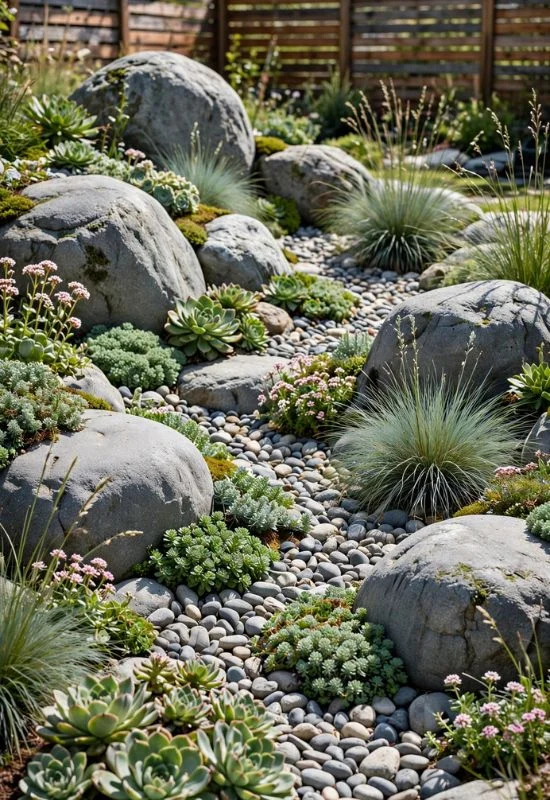
A rock garden is an excellent choice for homeowners who want an attractive and relatively low-maintenance landscape.
Combine Stones and Drought-Tolerant Plants
Arrange river rocks around succulents, ornamental grasses, shrubs, or other plants suitable for your climate.
Use larger decorative stones as focal points and smaller river rocks to fill the surrounding spaces.
5. Use River Rocks Around Trees
River rocks can create an attractive decorative ring around trees.
Leave Space Around the Tree Trunk
Do not pile rocks directly against the trunk. Leave the base of the tree open and avoid creating a deep layer that could hold excessive moisture against the bark.
Create a Natural Tree Bed
Surround the tree with a shallow, defined area of river rocks and add compatible plants around the outer edge for additional color.
6. Make a River Rock Drainage Area

River rocks can provide a finished appearance in areas designed to move or collect water.
Build a Decorative Drainage Channel
Create a shallow channel with appropriate grading and place larger stones along the edges and smaller stones through the center.
Proper drainage design is essential. River rocks alone cannot correct serious drainage problems, so make sure water is directed safely away from structures.
7. Add River Rocks Around a Water Feature
River rocks are a natural choice for ponds, fountains, waterfalls, and backyard streams.
Create a Natural Water Feature
Use larger stones around the edges and smaller rocks near the water. Mixing stone sizes can make the feature appear more natural.
You can also add aquatic or moisture-tolerant plants where appropriate.
8. Create a Modern River Rock Landscape
River rocks are not limited to rustic gardens. They can also look excellent in modern landscaping.
Keep the Design Minimal
Combine smooth river rocks with:
- Concrete
- Large square stepping stones
- Ornamental grasses
- Simple shrubs
- Modern planters
- Outdoor lighting
Use a limited color palette to create a clean and contemporary appearance.
9. Build a River Rock Patio Border
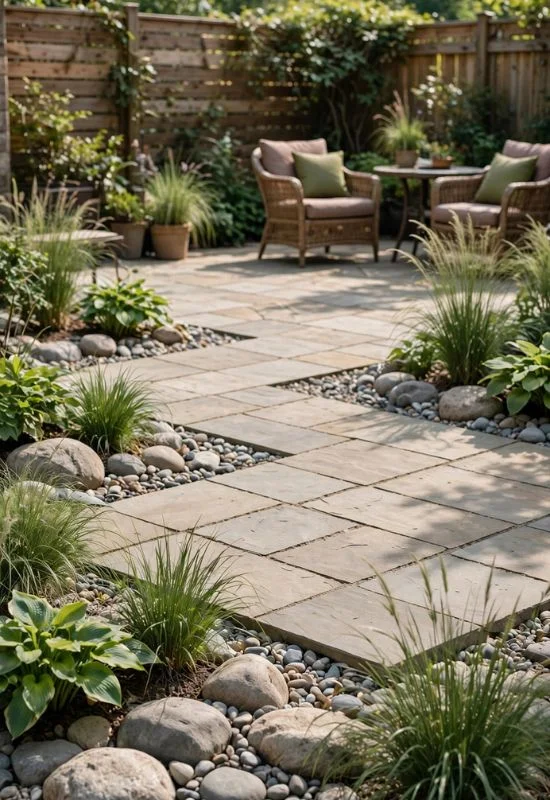
Create a decorative border around a patio using river rocks.
Soften Hard Surfaces
Concrete and stone patios can sometimes look too plain. A river rock border can soften the edges and connect the patio with the surrounding garden.
Add small plants or grasses along the border for additional texture.
10. Create a River Rock Fire Pit Area
River rocks can help define a backyard seating area around an outdoor fire feature.
Choose Fire-Safe Materials
Do not assume every type of river rock is suitable for direct exposure to high heat. Some stones can crack or potentially pop when heated.
For the fire area itself, use materials specifically recommended for fire-pit applications.
Add Comfortable Seating
Surround the fire feature with outdoor chairs or benches and create a separate walking surface if the loose rocks are difficult to walk across.
11. Make a River Rock Border Along a Fence
A narrow river rock bed can make the area along a fence look more finished.
Add Vertical Greenery
Plant ornamental grasses, shrubs, or other suitable plants along the fence. The plants soften the hard vertical line while the river rocks create a clean ground-level border.
This idea works particularly well in narrow side yards.
12. Create a River Rock Front Yard
Replace a portion of a traditional lawn with river rocks to create a distinctive front-yard landscape.
Combine Rocks With Low-Maintenance Plants
Use river rocks around drought-tolerant shrubs, ornamental grasses, and other plants suitable for your region.
This can reduce the amount of lawn that needs mowing while giving the front yard a structured appearance.
13. Design a Zen-Inspired River Rock Garden
Smooth stones are ideal for creating a peaceful, minimalist garden.
Keep the Layout Simple
Use carefully arranged river rocks with:
- Bamboo
- Ornamental grasses
- Simple shrubs
- Stepping stones
- Wooden features
- Minimal outdoor decorations
Avoid overcrowding the space. A few thoughtfully placed elements can create a calmer appearance.
14. Use River Rocks Around Outdoor Planters
River rocks can make container gardens look more integrated into the surrounding landscape.
Create Decorative Planting Zones
Place large planters in a bed of river rocks and surround them with smaller stones. This works well around patios, entrances, decks, and outdoor seating areas.
Choose stone colors that complement your home’s exterior and planter designs.
15. Build a River Rock Creek Feature
If you want a more natural backyard design, create a decorative creek using river rocks.
Create Curved Lines
A curved creek shape generally looks more natural than a straight channel.
Place larger rocks along bends and use smaller stones in the middle. Add plants around the edges to create the appearance of a natural waterway.
16. Create a River Rock Seating Area
River rocks can be used as ground cover around outdoor seating areas.
Add a Focal Point
Place a bench, outdoor chairs, a small table, or a suitable decorative feature in the center.
Because loose rounded rocks can be difficult to walk on, consider using stepping stones or a stable patio surface where people will frequently sit and move around.
17. Combine River Rocks With Ornamental Grass
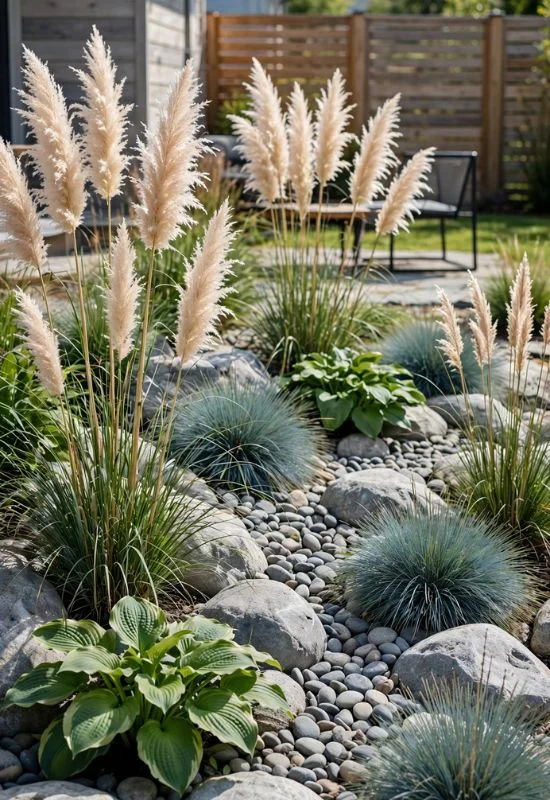
Ornamental grass and river rocks make a simple but attractive combination.
Create Texture and Movement
The smooth texture of river rocks contrasts with the soft, flowing appearance of grasses.
Repeat the same combination throughout the yard to create a consistent landscaping style.
18. Create a River Rock Stepping-Stone Path
Combine large flat stepping stones with smaller river rocks to create a garden walkway.
Space the Stones Carefully
Place stepping stones at comfortable walking intervals. Fill the spaces around them with river rocks to create a natural transition between the path and garden.
This design works particularly well between a patio and garden or from a backyard entrance to a seating area.
19. Make a Small Courtyard Rock Garden
River rocks are especially useful for small outdoor spaces where traditional landscaping may be difficult.
Use a Simple Arrangement
Start with a small rock bed and add:
- A feature stone
- Container plants
- Ornamental grasses
- Stepping stones
- Outdoor lighting
A simple design can make a small courtyard feel organized and intentional without overcrowding it.
20. Create a Poolside River Rock Landscape
River rocks can complement a natural-looking poolside landscape.
Combine Rocks With Greenery
Use rocks around appropriate planting areas and combine them with tropical plants, grasses, shrubs, or other vegetation suited to the local climate.
Keep frequently walked areas stable and make sure loose stones do not create hazards around the pool.
How to Choose the Best River Rocks
Choosing the right rocks is just as important as choosing the right landscaping idea.
Consider Rock Size
Small river rocks are useful for filling spaces and decorative ground cover. Medium-sized stones work well for borders and garden beds, while larger stones can become focal points or define dry creek beds.
Consider Rock Color
River rocks are available in many natural shades, including gray, tan, brown, cream, and mixed colors.
Choose colors that complement your home’s exterior, plants, patio, and other landscaping materials.
Consider the Purpose
Think about how the area will be used before buying the stone.
A decorative garden bed can use different rocks than a drainage channel, walkway, or water feature.
How to Install River Rock Landscaping
Step 1: Prepare the Area
Remove unwanted grass, weeds, roots, and debris from the area.
Step 2: Create a Defined Edge
Use landscape edging, stones, bricks, or another suitable material to keep the river rocks contained.
Step 3: Prepare the Ground
Level the area and address drainage concerns before placing the rocks.
Step 4: Add a Suitable Landscape Fabric if Needed
Landscape fabric can help separate decorative stone from soil and may reduce weed growth, although it does not eliminate maintenance completely.
Step 5: Spread the River Rocks
Distribute the rocks evenly and avoid creating unnecessarily deep layers.
Step 6: Add Plants and Decorative Features
Finish the design with plants, stepping stones, planters, or other features that complement your landscape.
River Rock Landscaping Maintenance Tips
Remove Leaves and Debris
Leaves and organic material can collect between stones. Remove debris regularly to keep the area looking clean.
Control Weeds
Weeds can grow through river rocks when seeds and soil accumulate. Pull weeds early before they become established.
Rake the Rocks
Heavy rain, foot traffic, and garden work can move loose stones. Rake the area occasionally to restore an even surface.
Add Fresh Rocks When Necessary
Over time, some stones may become buried or displaced. Add a small amount of fresh river rock when necessary to restore the original appearance.
Benefits of River Rock Landscaping
River rocks offer several advantages when used appropriately.
Natural Appearance
Their rounded shape creates a softer appearance than sharp gravel or crushed stone.
Versatile Design
River rocks can be used around trees, gardens, patios, pathways, water features, and drainage areas.
Low Routine Maintenance
Once properly installed, decorative rock areas generally do not require mowing or frequent watering.
Adds Texture
Smooth stones create visual contrast with plants, grass, wood, concrete, and other landscape materials.
Common River Rock Landscaping Mistakes
Using Rocks Everywhere
Covering an entire yard with rocks can make the landscape look hard and monotonous. Combine stones with plants and other materials for balance.
Choosing the Wrong Size
Very small stones may shift easily, while large rounded rocks may be uncomfortable or unstable in walking areas.
Ignoring Drainage
River rocks can make a drainage area look attractive, but they should not be treated as a substitute for proper grading and drainage design.
Piling Rocks Against Tree Trunks
Keep the base of trees clear rather than creating a deep rock mound around the trunk.
Final Thoughts
These 20 river rock landscaping ideas show how versatile natural stone can be. You can use river rocks to create garden borders, dry creek beds, pathways, rock gardens, water features, patio edges, modern landscapes, and beautiful low-maintenance planting areas.
For the best result, choose the right stone size and color for your project, prepare the ground properly, combine rocks with plants and other landscape materials, and consider drainage and everyday use before installation. A thoughtful river rock design can add texture, structure, and natural beauty to almost any outdoor space.
Frequently Asked Questions About River Rock Landscaping
Is river rock good for landscaping?
Yes. River rock is versatile and can be used for garden borders, dry creek beds, decorative beds, pathways, drainage features, water features, and other landscape designs.
What should I put under river rock?
Depending on the project, you may use landscape fabric or another appropriate separation layer beneath decorative river rock. The underlying soil should also be properly prepared and graded.
Does river rock prevent weeds?
River rock can reduce the appearance of weeds when installed correctly, but it does not completely prevent them. Windblown seeds and organic debris can eventually create conditions where weeds grow.
Is river rock good around trees?
River rock can be used around trees as decorative ground cover, but avoid piling it directly against the trunk. Keep the tree’s base visible and avoid creating excessive moisture around the trunk.
Are river rocks good for drainage?
River rocks can be useful in properly designed drainage channels and dry creek beds. However, effective drainage depends on grading, soil conditions, water flow, and the overall drainage system.
How deep should river rock landscaping be?
The appropriate depth depends on the rock size and purpose. Decorative areas generally do not need an excessively deep layer. Follow the recommendations for your particular stone and landscape application.
Can I use river rocks for a walkway?
Yes, but loose rounded river rocks can be difficult to walk on. For frequently used paths, combining river rocks with flat stepping stones or another stable surface is often more practical.
How do I keep river rocks clean?
Remove leaves and debris regularly using a rake, blower, or careful hand cleaning. Occasional maintenance helps prevent organic material from accumulating between the stones.
Are river rocks better than mulch?
Neither material is universally better. River rocks can provide long-lasting decorative ground cover, while organic mulch can add organic matter to soil and is often useful around many plants. Your choice should depend on the planting area and landscape goals.