30 Road Trip Hacks | Smart Tips for an Easier Journey
A well-planned road trip can be one of the most memorable ways to travel, but long hours in the car can also bring unexpected challenges. From keeping snacks organized to finding ways to save space, a few smart road trip hacks can make the entire journey smoother.
You don’t need complicated gadgets or an overstuffed car to have a better trip. Simple changes to how you pack, organize, drive, and plan your stops can save time and reduce stress.
Whether you’re planning a weekend getaway, a family adventure, or a cross-country drive, these 30 road trip hacks will help you travel smarter while keeping the experience comfortable and fun.
30 Road Trip Hacks:
1. Plan Your Main Route Before Leaving
You don’t need to schedule every minute of your trip, but knowing your primary route can prevent unnecessary delays.
Mark Essential Stops
Identify fuel stations, rest areas, grocery stores, hotels, and major attractions along the route. This gives you backup options if plans change.
2. Download Offline Maps
Mobile service isn’t guaranteed everywhere, particularly on rural roads or in remote areas.
Save Your Route in Advance
Download offline maps before leaving so you can continue navigating if your internet connection disappears. Keep the address of your destination written down or saved somewhere accessible as a backup.
3. Create a Road Trip Budget
A simple budget can help you avoid unpleasant surprises during the journey.
Track the Main Expenses
Estimate costs for:
- Fuel
- Accommodation
- Food
- Tolls
- Parking
- Attractions
- Emergency expenses
Leave some room for spontaneous stops and unexpected costs.
4. Fill Up Before the Tank Gets Too Low
Waiting until the fuel warning appears can be risky when you’re driving through areas with few gas stations.
Use Your Navigation App
When the tank reaches a comfortable level, check the route ahead and plan your next fuel stop. Electric vehicle travelers should use the same strategy with charging stations.
5. Pack a Small Cooler
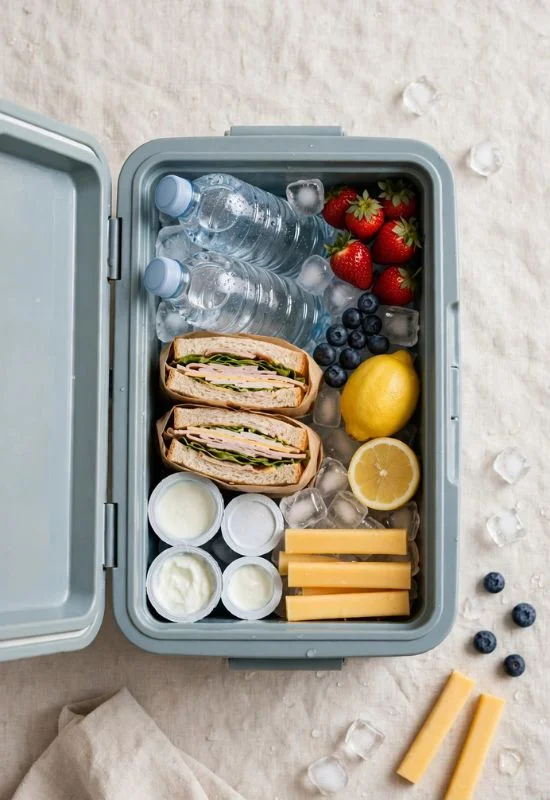
A cooler can save money and make healthy food easier to access.
Prepare Easy Snacks
Fill it with water, fruit, sandwiches, yogurt where appropriate, and other foods that travel well. Use reusable containers to reduce spills and packaging.
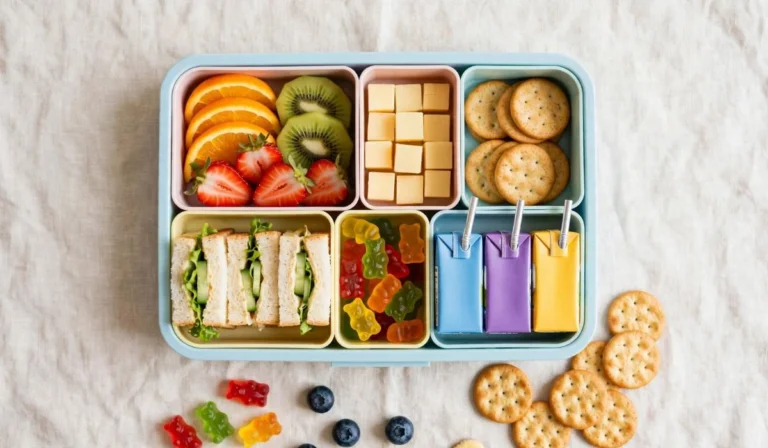
6. Organize Snacks Into Portions
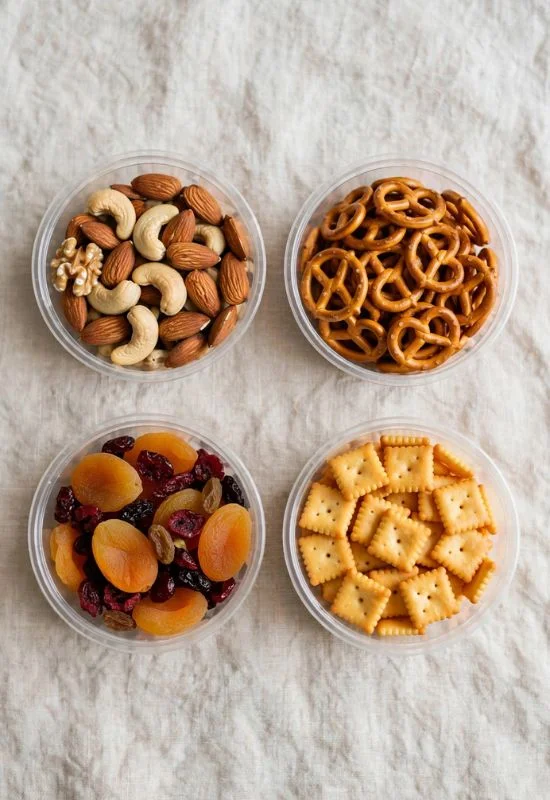
Instead of bringing one large bag of snacks, divide food into smaller portions.
Give Everyone Their Own Snack Pack
Individual containers or bags make it easier for passengers to grab what they want. This is particularly useful when traveling with children.
7. Use a Hanging Trash Bag
A small trash bag within reach can prevent wrappers and empty bottles from spreading around the car.
Empty It During Fuel Stops
Make emptying the trash part of your regular stop routine. A few seconds of cleanup can keep the interior much more comfortable.
8. Keep an Emergency Kit Accessible
Emergency equipment isn’t useful if it’s buried underneath several suitcases.
Pack the Basics
Consider including:
- First-aid supplies
- Flashlight
- Jumper cables
- Tire pressure gauge
- Basic tools
- Reflective warning equipment
- Gloves
Choose equipment based on your vehicle, route, and travel conditions.
9. Check Your Car Before the Trip
A quick vehicle inspection can help you catch potential problems before you’re hundreds of miles from home.
Check the Essentials
Inspect the tires, spare tire, lights, fluid levels, windshield wipers, and other important vehicle components. If something seems unusual, have it checked before departure.
10. Use Packing Cubes
Packing cubes aren’t only useful for flights. They can make road trip luggage much easier to manage.
Assign Each Cube a Purpose
Use separate cubes for clothing, swimwear, toiletries, electronics, or children’s items. This prevents everyone from digging through the entire trunk.
11. Pack an Overnight Bag Separately
If you’re stopping at a hotel for only one night, don’t unpack the entire vehicle.
Prepare a One-Night Bag
Pack pajamas, toiletries, a change of clothes, chargers, and other overnight necessities in one small bag. Take that bag into the hotel while leaving the rest of your luggage organized in the car.
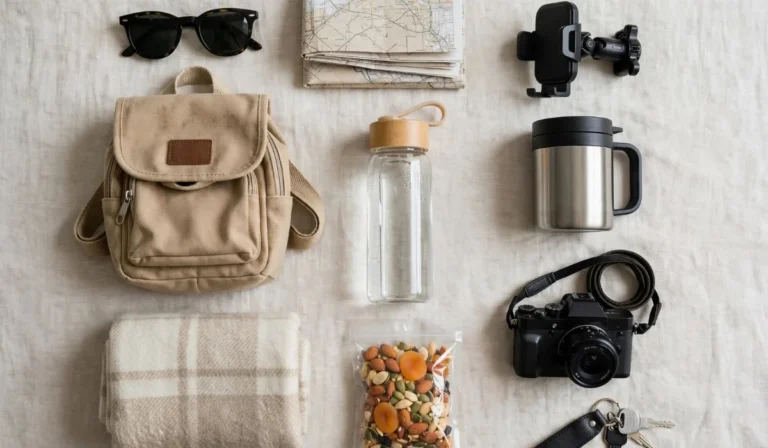
12. Keep a Small Day Bag Ready
A day bag makes quick stops easier.
Pack the Daily Essentials
Keep sunglasses, sunscreen, wallet, phone, water, snacks, and other frequently used items together. When you arrive at an attraction, you can grab one bag instead of carrying several things.
13. Prepare a Shared Playlist
Music can influence the entire mood of a road trip.
Give Everyone a Turn
Let each passenger add favorite songs. You can also create separate playlists for different parts of the journey, such as morning drives, scenic routes, and evening travel.
14. Download Podcasts and Audiobooks
Long stretches of highway are perfect for podcasts and audiobooks.
Download Before You Leave
Offline downloads prevent interruptions when mobile service becomes unreliable. Choose longer episodes or audiobooks for stretches where you won’t have much to see.
15. Rotate Driving Duties
If multiple travelers are licensed and comfortable driving, sharing the driving can reduce fatigue.
Agree on a Schedule
Discuss driving shifts before leaving. Avoid driving when you’re tired, and take breaks whenever you need them rather than sticking rigidly to a schedule.
16. Plan Regular Rest Stops
Waiting until everyone is exhausted can make the journey more stressful.
Stop Before You Really Need To
Use planned breaks to stretch, use the restroom, eat, hydrate, and reset. Short, regular stops can make a long journey feel more manageable.
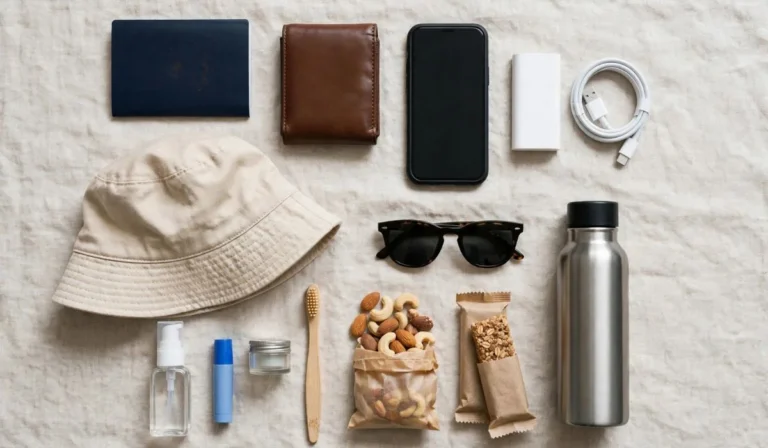
17. Keep Important Items in the Front
Don’t place frequently used items at the bottom of your luggage.
Create an Easy-Access Zone
Keep passports or IDs, wallets, chargers, medication, tissues, water, and snacks where passengers can reach them without unpacking.
18. Bring Reusable Shopping Bags
A few foldable bags can be surprisingly useful during a road trip.
Use Them for More Than Groceries
They can carry souvenirs, picnic supplies, dirty clothes, beach items, or snacks. They also take up very little space when folded.
19. Carry Extra Water
Water is one of the simplest things to prepare in advance.
Keep a Backup Supply
Bring more water than you expect to drink during a long or remote journey. Store bottles securely so they don’t roll around the vehicle.
20. Pack a Car Cleaning Kit
Spills are much easier to handle when you have supplies ready.
Include Simple Cleaning Items
A small cleaning kit can contain:
- Paper towels
- Cleaning wipes
- Tissues
- Small trash bags
- Reusable cloth
- Hand sanitizer
Keep everything together in one pouch.
Read Next: 20 Road Trip Essentials Aesthetic
21. Use a Shoe Bag
Shoes can quickly make luggage messy.
Separate Shoes From Clothing
Place each pair in a washable shoe bag or reusable pouch. This keeps dirt away from clean clothes and makes packing more organized.
22. Keep a Change of Clothes Within Reach
You don’t want to unpack the trunk because someone spilled coffee on their shirt.
Prepare an Emergency Outfit
Keep one basic outfit, underwear, and socks in an accessible bag. This is particularly useful for families with young children.
23. Use a Car Seat Organizer
A seat-back organizer can give passengers a designated place for small items.
Store Frequently Used Belongings
Use it for books, tissues, charging cables, water bottles, small toys, and travel games. Avoid overloading it so it doesn’t become another source of clutter.
24. Take Photos of Important Information
Your phone can serve as a convenient backup for travel details.
Save Useful Documents
Keep photos or secure digital copies of information such as vehicle documents, reservations, insurance details, and emergency contacts. Avoid relying exclusively on your phone for critical information.
25. Keep Cash as a Backup
Cards and mobile payments are convenient, but not every roadside stop will necessarily accept them.
Carry a Small Emergency Amount
Keep some cash in a secure location for tolls, parking, small businesses, or unexpected situations. Don’t keep all your money in one place.
26. Check the Weather Before Each Major Leg
Weather conditions can change significantly during a long drive.
Adjust Your Plans When Necessary
Check the forecast before leaving and again during major stops. If severe weather is expected, consider changing your route or delaying travel rather than taking unnecessary risks.
27. Create a Shared Expense Tracker
When several people are traveling together, expenses can become confusing.
Record Costs as You Go
Track fuel, accommodation, food, tolls, and shared activities in one place. This makes splitting expenses much easier at the end of the trip.
28. Leave Room for Spontaneous Stops
One of the best road trip experiences can happen when you leave the planned route.
Don’t Over-Schedule
Give yourself some flexibility to stop at a scenic viewpoint, local café, roadside attraction, or interesting town. A loose itinerary often creates better memories than a packed schedule.
29. Keep a Roadside Adventure List
Make a list of things you’d enjoy seeing along the route.
Mix Planned and Unexpected Experiences
Include scenic viewpoints, unusual landmarks, local restaurants, parks, markets, and small towns. You don’t have to visit every location; the list simply gives you ideas when you want a break.
30. Clean and Reset the Car Every Evening
If you’re traveling for several days, small messes can quickly become overwhelming.
Take Five Minutes to Reset
Before ending the day, remove trash, organize loose items, charge electronics, refill water bottles, and prepare what you’ll need for the next morning.
How to Make Road Trip Packing Easier
Good organization starts before you leave home. Instead of throwing everything into the trunk, think about what you’ll need during the drive and what can stay packed until you reach your destination.
Divide Your Gear by Use
Create separate groups for driving essentials, overnight items, toiletries, clothing, food, and emergency equipment. This makes it much easier to find something without unpacking the entire car.
Pack According to Accessibility
The things you’ll use every hour should be the easiest to reach. Items you’ll only need at your accommodation can stay deeper in the trunk.
How to Save Money on a Road Trip
Road trips can become expensive when fuel, restaurant meals, attractions, and last-minute accommodation costs add up.
Bring Some Food From Home
Packing breakfast items, snacks, and drinks can reduce the number of convenience-store purchases. A cooler can make this even easier.
Compare Fuel and Accommodation Options
Don’t wait until the tank is nearly empty or you’re exhausted before looking for your next stop. Planning ahead can give you more choices and help you compare prices.
How to Make Long Drives More Comfortable
Comfort matters just as much as efficiency when you’re spending hours in a vehicle.
Dress in Layers
Temperatures can change throughout the day, so lightweight layers are more versatile than one heavy piece of clothing.
Stretch During Stops
Use rest stops to walk around and stretch rather than staying seated the entire time. If you’re feeling tired, take a proper break before continuing.
Quick Road Trip Hack Checklist
Before starting your journey, make sure you’ve covered the basics:
- Download offline maps
- Check the vehicle
- Fill the fuel tank or plan charging stops
- Pack water and snacks
- Prepare an emergency kit
- Organize luggage with packing cubes
- Create an overnight bag
- Download entertainment
- Prepare a phone charger
- Keep a first-aid kit accessible
- Pack reusable bags
- Carry some backup cash
- Check the weather
- Plan rest stops
- Leave room for spontaneous adventures
Final Thoughts
The best road trip hacks are often simple. Downloading maps, organizing snacks, keeping emergency supplies accessible, packing an overnight bag, and planning regular breaks can make a surprisingly big difference.
At the same time, don’t plan every moment of your journey. Leave some room for unexpected discoveries, scenic detours, local food, and spontaneous stops.
A successful road trip isn’t about making everything perfectly predictable. It’s about being prepared enough that you can relax and enjoy the road ahead.
FAQs
What is the best road trip hack?
One of the most useful road trip hacks is organizing everything by accessibility. Keep snacks, water, chargers, medication, documents, and emergency supplies easy to reach while storing less frequently used items in the trunk.
How can I make a long road trip easier?
Plan regular rest stops, share driving duties when possible, download offline entertainment, bring comfortable clothing, stay hydrated, and avoid driving when tired. A flexible schedule can also make long journeys less stressful.
How do I save money on a road trip?
Bring snacks and drinks, compare fuel prices, plan accommodation in advance, track shared expenses, and avoid unnecessary last-minute purchases. Leaving room in your itinerary can also help you choose affordable options instead of paying for rushed bookings.
What should I keep in my car during a road trip?
Keep water, snacks, a phone charger, navigation tools, a first-aid kit, flashlight, tire equipment, basic tools, cleaning supplies, and emergency roadside equipment in your vehicle.
How do I keep my car organized on a road trip?
Use packing cubes, seat organizers, reusable bags, and a small trash container. Give each category of items a designated place and reset the car at the end of each day.
How often should I stop on a road trip?
There isn’t one ideal schedule for everyone. Take breaks whenever you need to stretch, eat, use the restroom, refuel, or rest. Drivers should prioritize alertness and take a break whenever they feel tired.
How can I make a road trip more fun?
Create shared playlists, download podcasts, plan interesting stops, play suitable travel games, explore local restaurants, take photos, and leave some time for spontaneous discoveries.
Should I plan every stop on a road trip?
Not necessarily. Plan important stops such as fuel, accommodation, and major attractions, but leave some flexibility for unexpected viewpoints, restaurants, local attractions, and interesting detours.