20 Kayaking Tips | Safety, Gear & Paddling Guide
Kayaking is an exciting way to explore rivers, lakes, coastlines, and calm bays while enjoying nature from the water. Whether you are planning your first kayaking trip or want to improve your paddling skills, a little preparation can make the experience safer, easier, and more enjoyable.
The best kayaking tips focus on choosing the right kayak, learning basic paddling techniques, checking weather conditions, wearing appropriate safety equipment, and understanding the waterway before launching. This guide covers everything from beginner kayaking tips and essential gear to safety advice, trip planning, and some of the world’s most appealing kayaking destinations.
What Is Kayaking?
Kayaking is a water activity in which a person sits inside or on a kayak and uses a double-bladed paddle to move across the water. Kayaks are available in different designs for recreational paddling, touring, fishing, whitewater, and sea kayaking.
Your choice of kayak should match the water conditions and your experience level. For example, recreational kayaks are generally suited to calm lakes and gentle waterways, while sea kayaks are designed for longer coastal trips and more demanding conditions.
The National Park Service recommends choosing a paddling environment that matches your experience, such as sheltered water for beginners and more challenging conditions only after developing the necessary skills.
20 Best Kayaking Tips for a Safe and Enjoyable Trip
1. Choose the Right Kayak
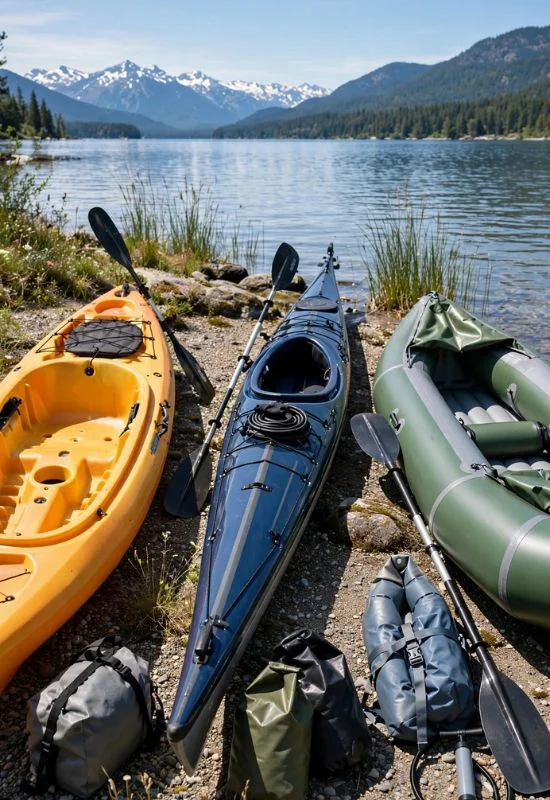
The first step toward a successful kayaking trip is selecting a kayak appropriate for your destination.
Match the Kayak to the Water
Use recreational kayaks for calm lakes, ponds, and gentle rivers. Touring or sea kayaks are better suited to longer journeys and coastal conditions. Whitewater kayaks are specifically designed for moving water and rapids.
Do not assume that one kayak is suitable for every environment. Your kayak should provide enough stability, flotation, and control for the conditions you expect.
2. Always Wear a Life Jacket
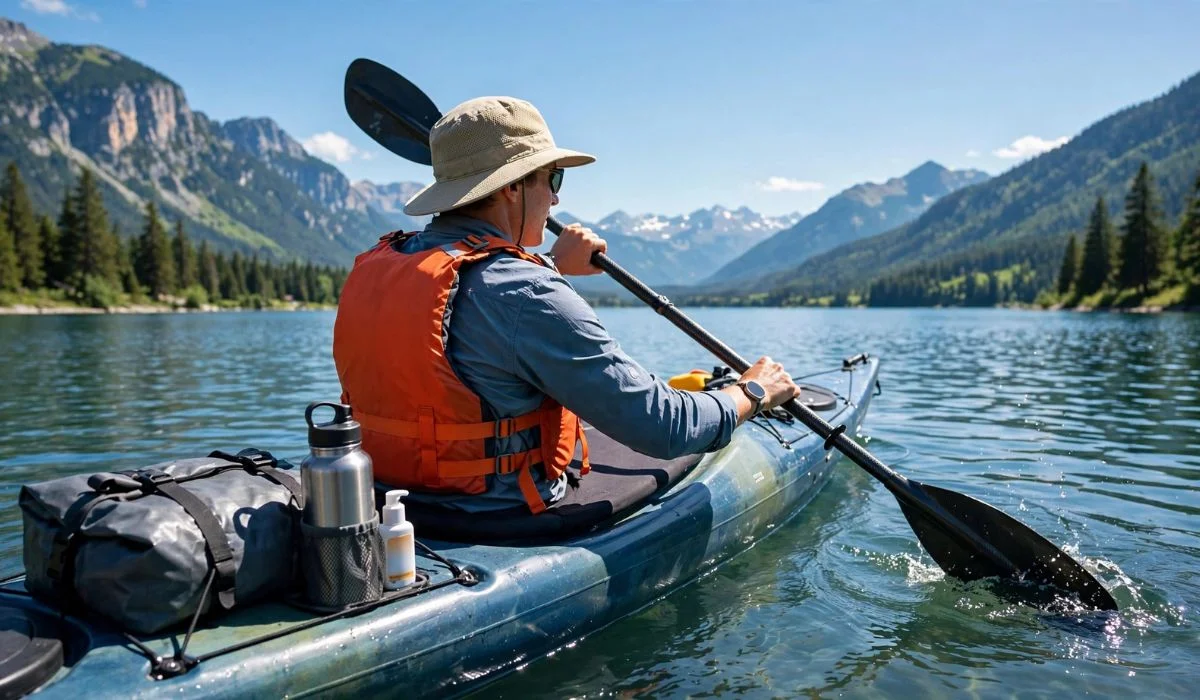
One of the most important kayaking tips is to wear a properly fitted personal flotation device (PFD) whenever you are on the water.
A PFD should fit snugly without restricting your movement. Check the manufacturer’s sizing information and fasten every buckle or zipper correctly.
The American Canoe Association emphasizes wearing a properly fitted life jacket for paddling activities.
3. Learn the Basic Paddle Grip
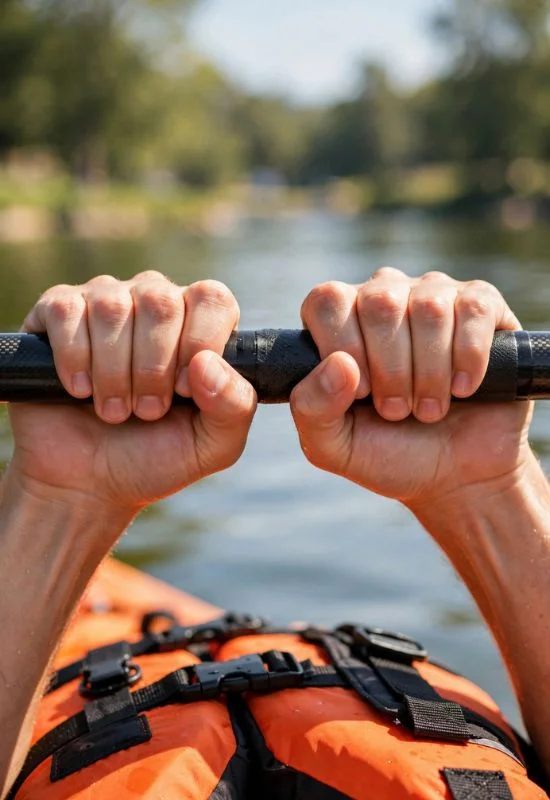
Hold the paddle comfortably with both hands approximately shoulder-width apart. Keep your wrists relatively straight and avoid gripping the shaft too tightly.
A relaxed grip reduces unnecessary fatigue and makes it easier to maintain a smooth stroke.
4. Practice the Forward Stroke
The forward stroke is the foundation of kayaking.
Place the paddle blade into the water near your feet and rotate your torso as you pull the blade toward your hip. Remove the blade before it reaches too far behind you and repeat on the opposite side.
Using your torso rather than relying entirely on your arms can make paddling more efficient.
5. Learn How to Turn
Beginners should practice sweep strokes before heading far from shore.
A wide sweep stroke can help turn the kayak. Paddle in a broad arc away from the kayak on one side, then repeat on the opposite side when necessary.
Practice turning in calm, shallow water where you have plenty of space.
6. Keep Your Kayak Balanced
Avoid placing all your equipment on one side of the kayak. Uneven weight distribution can affect stability and make the boat harder to control.
Pack Heavy Items Low
Place heavier equipment close to the bottom of the kayak and distribute weight evenly. Secure loose items so they do not shift during paddling.
The ACA’s introductory kayaking guidance recommends securely stowing gear and balancing the kayak before departure.
7. Check the Weather Before You Launch
Weather can change quickly on open water.
Check the forecast, wind conditions, temperature, wave conditions, and relevant water conditions before leaving. If the forecast becomes unfavorable, postpone the trip.
The National Park Service specifically advises paddlers to obtain current weather and water conditions because conditions can change unexpectedly.
8. Understand Wind and Current
Wind and currents can make a simple paddle much harder than expected.
Beginners should avoid strong winds, fast currents, and open-water conditions until they have appropriate training. Remember that paddling against a strong wind on the return journey can be exhausting.
Plan your route so that you have enough energy to return safely.
9. Start Close to Shore
If you are new to kayaking, stay relatively close to your launch point.
This allows you to become comfortable with your kayak, paddle strokes, balance, and surroundings without committing to a long journey.
As your skills improve, you can gradually increase your distance and explore more challenging waterways.
10. Paddle With a Buddy
Avoid kayaking alone, particularly in unfamiliar or challenging environments.
Paddling with another experienced person provides additional support if someone capsizes, becomes injured, or encounters equipment problems. The NPS recommends the buddy system for kayaking and advises paddlers to stay together.
11. Learn Self-Rescue Skills
Knowing what to do after a capsize is just as important as knowing how to paddle.
Beginners should learn how to remain calm, stay with the kayak, and safely re-enter the boat. Formal instruction can help you practice these skills under controlled conditions.
The NPS recommends that paddlers learn and practice self-rescue before undertaking demanding trips.
Read Next: 20 Road Trip Essentials For kids
12. Take a Kayaking Lesson
A professional lesson can help you learn proper technique much faster than trying to figure everything out alone.
Look for an instructor or paddling school that teaches:
- Basic strokes
- Launching and landing
- Capsize recovery
- Self-rescue
- Waterway awareness
- Weather interpretation
- Paddling etiquette
Formal instruction becomes especially valuable for sea kayaking and whitewater kayaking.
13. Bring Plenty of Water
Paddling is physical exercise, even when the weather feels cool.
Carry enough drinking water for the duration of your trip and bring extra supplies for longer outings. A hydration reservoir or secured water bottle can make drinking easier while paddling.
14. Dress for the Water Temperature
Do not choose clothing based only on the air temperature.
Water can be dangerously cold even when the weather feels warm. If you fall into cold water, exposure can become a serious concern.
The NPS recommends considering water temperature and appropriate protective clothing when planning paddling activities.
15. Protect Yourself From the Sun
Long periods on the water can expose you to intense sunlight.
Consider packing:
- Sunscreen
- Sunglasses
- A hat
- Lightweight protective clothing
- Lip balm with SPF
- Plenty of drinking water
Reapply sunscreen as recommended, especially during long trips.
16. Carry Communication and Safety Equipment
Your equipment should reflect the environment and length of your trip.
For appropriate trips, useful safety equipment may include a whistle, communication device, first-aid supplies, navigation equipment, signaling equipment, and rescue gear.
The ACA identifies navigation, signaling, first-aid, and rescue equipment as important components of paddling preparation.
17. Tell Someone About Your Trip
Before leaving, tell someone where you are going and when you expect to return.
For longer or remote trips, create a float plan that includes your route, launch location, expected return time, group members, and emergency information.
The NPS specifically recommends leaving a float plan with family or friends.
18. Respect Wildlife and Nature
Kayaking gives you an opportunity to see wildlife from a unique perspective.
Maintain a respectful distance from animals, avoid disturbing nesting areas, and never chase wildlife for photographs.
Keep your surroundings clean and take your waste with you.
19. Know Your Limits
One of the most important kayaking tips is knowing when not to paddle.
Do not let a beautiful destination pressure you into conditions beyond your experience. Strong wind, rough waves, fast currents, storms, cold water, and unfamiliar rapids can quickly turn an enjoyable trip into an emergency.
Choose conditions that match your current abilities.
20. Practice Before Taking a Long Trip
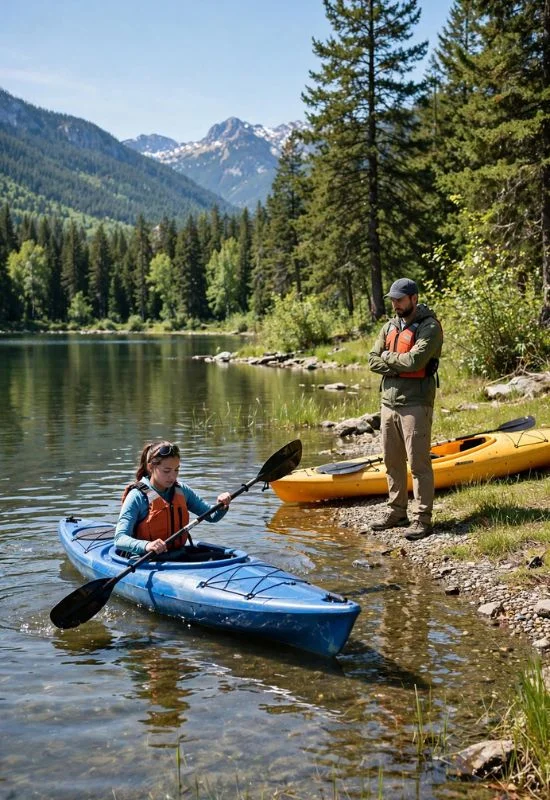
Confidence comes from repetition.
Before attempting a long kayaking adventure, practice launching, landing, forward strokes, turns, stopping, balance, and basic rescue techniques.
A short practice session on calm water can prepare you for a much longer adventure.
Kayaking Gear Checklist
Essential Kayaking Equipment
Your gear will vary depending on the type of kayaking you are doing, but common essentials include:
- Proper kayak
- Paddle
- Properly fitted PFD
- Whistle or other signaling device
- Drinking water
- Weather-appropriate clothing
- Sunscreen
- Sunglasses
- First-aid kit
- Navigation equipment
- Dry bags
- Emergency communication device when appropriate
- Food and snacks
- Rescue equipment suitable for the environment
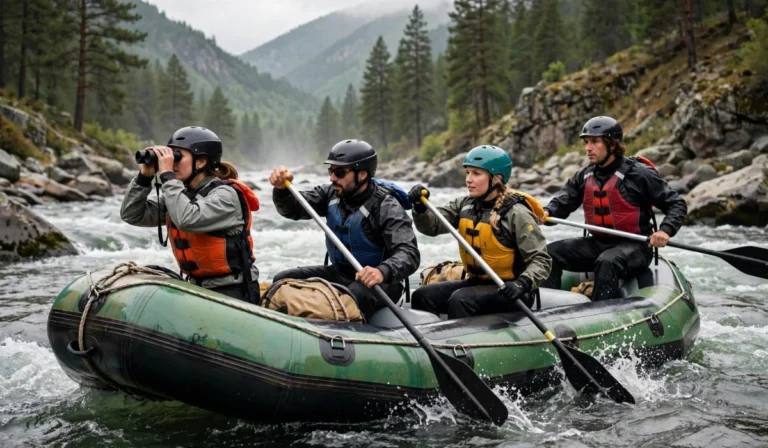
For moving water and whitewater, additional equipment such as helmets and throw ropes may be appropriate or required depending on conditions and training.
Kayaking Tips for Beginners
Start on Calm Water
A calm lake or protected area is usually a better learning environment than an open ocean or rapid-filled river.
Choose a location with easy access to shore and minimal boat traffic.
Keep Your First Trip Short
Your first outing does not need to be an all-day adventure.
A short paddle gives you time to learn how your kayak handles, adjust your seating position, practice strokes, and identify areas where you need more training.
Avoid Overloading Your Kayak
Only bring equipment you genuinely need. Excess weight can affect stability and performance.
Secure everything carefully, particularly items that could become dangerous if the kayak capsizes.
Kayaking Tips for Families
Choose Beginner-Friendly Water
When kayaking with children or inexperienced family members, select calm water with easy launch points.
Children should use appropriately fitted safety equipment and remain under suitable supervision.
Keep Kids Comfortable
Pack water, snacks, sun protection, extra clothing, and a simple activity for breaks.
Avoid making the first family kayaking trip too long. The goal should be creating a positive experience rather than covering the maximum distance.
The ACA also provides paddlesports safety resources specifically designed for young paddlers and families.
Kayaking Tips for Sea Kayaking
Check Marine Conditions
Sea kayaking requires additional awareness of tides, currents, wind, waves, boat traffic, and changing weather.
Never assume calm conditions will remain unchanged throughout your trip.
Stay Within Your Skill Level
Open-water kayaking can be significantly more demanding than paddling on a protected lake.
The NPS warns that open-ocean kayaking can be high risk and recommends that inexperienced paddlers choose protected environments or guided trips.
Be Careful Around Cliffs and Sea Caves
Sea caves and cliff areas can present additional hazards from waves, swell, rocks, and changing conditions. Only experienced paddlers with suitable equipment and knowledge should attempt demanding coastal routes.
Kayaking Tips for River Trips
Understand River Difficulty
Not every river is appropriate for beginners.
Research the river’s difficulty, water levels, current, hazards, access points, and exit locations before launching.
Watch for Obstacles
Rivers may contain fallen trees, rocks, strainers, bridge structures, low-head dams, and other hazards.
Never enter rapids or technical sections simply because other paddlers are doing so.
Scout Difficult Sections
If you are uncertain about a section of river, stop and assess it before proceeding. More advanced river kayaking should be undertaken with appropriate instruction, equipment, and experienced companions.
Best Kayaking Destinations
The best destination depends on your experience and the type of kayaking you enjoy.
Lake Districts and Calm Lakes
Large lakes and protected inland waterways can be excellent choices for beginners when weather and water conditions are suitable.
Look for destinations with calm launch areas, rental services, marked routes, and nearby facilities.
Coastal Kayaking Destinations
Coastal destinations offer dramatic cliffs, beaches, islands, caves, and marine wildlife.
However, coastal kayaking requires greater awareness of weather, tides, waves, currents, and boat traffic.
Island Kayaking
Island destinations are especially appealing for multi-day adventures because paddlers can explore beaches, coves, and secluded shorelines.
San Juan Island National Historical Park, for example, highlights sea kayaking opportunities while emphasizing that conditions can become hazardous when weather changes.
National Parks
National parks can provide spectacular kayaking opportunities, but each park has its own regulations and environmental conditions.
Always check the official park website before your trip for launch restrictions, permits, weather information, water conditions, and local safety requirements.
How to Plan a Kayaking Trip
Step 1: Choose the Destination
Decide whether you want a lake, river, coastal, or whitewater experience.
Match the destination with your current skill level.
Step 2: Research the Water
Learn about:
- Water temperature
- Weather
- Wind
- Current
- Tides
- Water levels
- Boat traffic
- Hazards
- Launch and landing points
- Emergency access
Step 3: Prepare Your Equipment
Inspect the kayak, paddle, PFD, and safety equipment before leaving.
Make sure everything is functioning correctly and securely packed.
Step 4: Create a Route
Choose a realistic distance based on your experience and fitness.
Leave enough time for breaks, unexpected delays, and the return journey.
Step 5: Share Your Plan
Tell someone your route and expected return time.
For remote adventures, a detailed float plan can be particularly valuable during an emergency.
Common Kayaking Mistakes to Avoid
Ignoring the Weather
Beautiful weather at the launch point does not guarantee safe conditions later.
Always monitor the forecast and be prepared to turn around.
Kayaking Without a PFD
A life jacket is not something to keep inside your kayak for emergencies. Wear it properly while paddling.
Going Too Far Too Soon
Beginners sometimes underestimate how tiring the return journey can be.
Keep your first trips manageable and build endurance gradually.
Choosing the Wrong Kayak
A recreational kayak may be comfortable on a calm lake but unsuitable for rough open water.
Always match the kayak to the environment.
Going Alone
Solo kayaking can increase the consequences of a capsize, injury, or equipment failure.
For beginners and challenging environments, paddling with others is a safer approach.
Kayaking Safety Rules to Remember
A simple way to remember the most important kayaking principles is:
Know your water. Know your weather. Know your equipment. Know your limits.
Before launching, ask yourself:
- Is my kayak suitable for this water?
- Am I wearing a properly fitted PFD?
- Have I checked the weather?
- Do I understand the route and hazards?
- Do I have enough water and supplies?
- Does someone know where I am going?
- Can I handle a capsize?
- Do I know how I will return if conditions change?
If you cannot confidently answer these questions, take more time to prepare or choose an easier route.
Final Kayaking Tips for a Better Adventure
Kayaking can be relaxing, adventurous, scenic, and rewarding, but preparation should always come before excitement. Beginners should start on calm water, wear a properly fitted PFD, learn basic paddling and rescue techniques, check the weather, and paddle within their abilities.
For more challenging environments, professional instruction is strongly recommended. Official resources from organizations such as the American Canoe Association and National Park Service can provide additional paddling and safety information.
The best kayaking trip is not necessarily the longest or most adventurous one. It is the trip where you are prepared, comfortable, respectful of nature, and able to return safely.
Frequently Asked Questions About Kayaking Tips
What are the most important kayaking tips for beginners?
Start on calm water, wear a properly fitted PFD, learn basic paddle strokes, check the weather, stay within your ability level, and paddle with an experienced partner whenever possible.
What should I wear kayaking?
Wear clothing appropriate for the air and water temperature. Avoid cotton in situations where getting wet is likely, and consider protective clothing such as wetsuits or other immersion-appropriate gear in cold-water environments.
Do I need a life jacket for kayaking?
You should wear a properly fitted life jacket whenever you kayak, while also following the laws and regulations applicable to your location. The ACA strongly promotes life-jacket wear for paddling activities.
Is kayaking difficult for beginners?
Kayaking on calm water can be relatively easy to learn, but conditions such as strong wind, waves, currents, and rapids significantly increase the difficulty. Taking a beginner lesson is an excellent way to develop safe skills.
Can beginners go sea kayaking?
Beginners should start in sheltered coastal environments or with an experienced guide rather than immediately attempting exposed open-water routes. The NPS advises inexperienced paddlers to avoid high-risk open-ocean conditions.