Yard Landscaping Ideas On A Budget | Beautiful Yard
Beautiful landscaping does not have to cost a fortune. With a little creativity, careful planning, and the right materials, you can create an attractive outdoor space without spending a large amount of money.
The best yard landscaping ideas on a budget focus on affordable plants, simple hardscaping, DIY projects, reused materials, and improvements that make a noticeable difference without requiring a complete yard renovation.
Whether you have a small backyard, front yard, rental property, or large outdoor space, these ideas can help you create a more welcoming landscape while keeping costs under control.
Yard Landscaping Ideas On A Budget | Beautiful Yard:
1. Start With a Simple Garden Bed
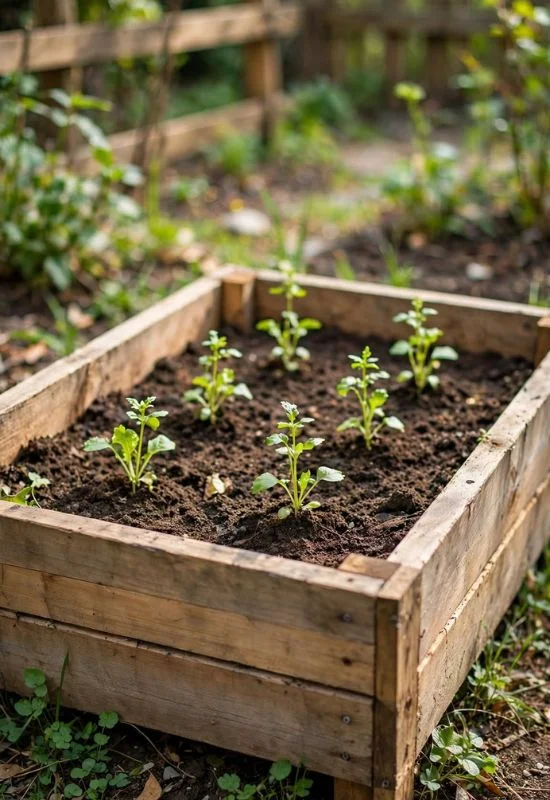
Creating a small flower bed is one of the easiest ways to improve your yard.
Choose an unused corner along your house, fence, or walkway and turn it into a defined planting area.
Keep the Shape Simple
Curved or rectangular beds are easy to plan and maintain. Start with a small area rather than trying to landscape the entire yard at once.
2. Use Affordable Native Plants

Native plants can be a smart choice for budget landscaping because they are generally adapted to local growing conditions.
Choose plants based on your area’s:
- Climate
- Soil
- Sunlight
- Rainfall
- Growing season
Appropriate plants can reduce the need for excessive watering and maintenance.
3. Add Mulch
Mulch is an inexpensive way to give garden beds a clean, finished appearance.
It can also help retain soil moisture and suppress some weeds.
Use Mulch Around Trees and Plants
Create neat circles or beds around existing trees and shrubs. This can instantly make an older yard look more organized without adding many new plants.
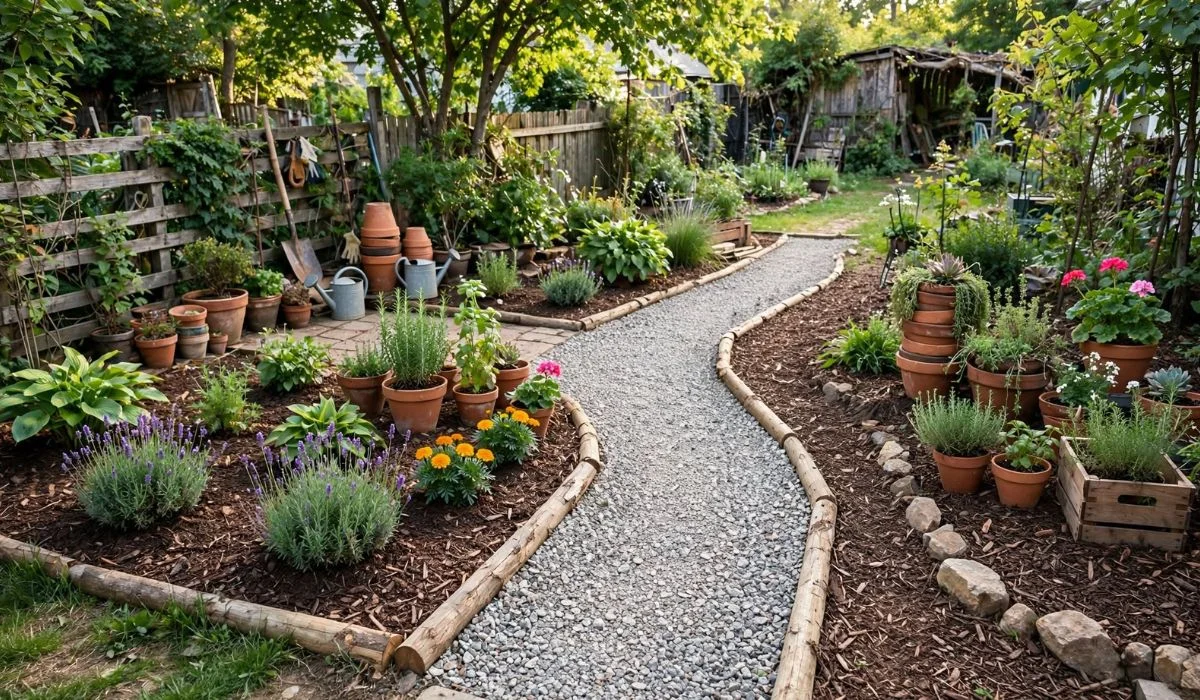
4. Create a Gravel Path
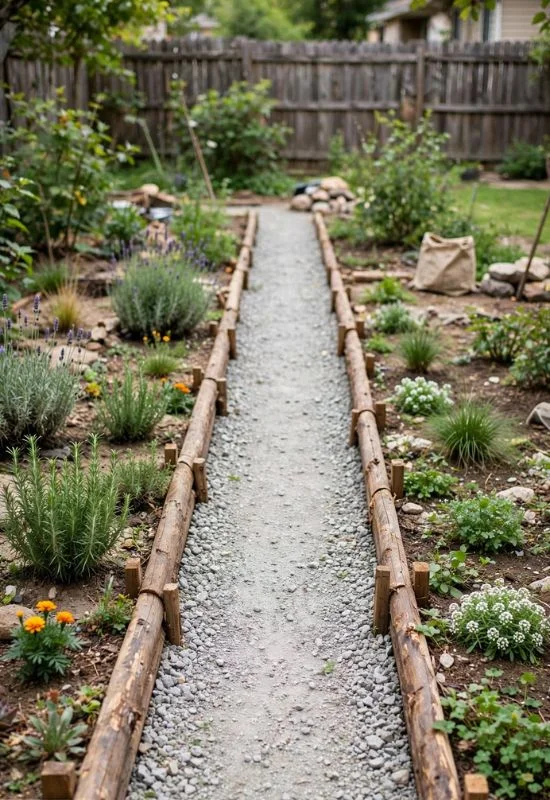
Gravel is often less expensive and easier to install than some traditional paving materials.
Use it to create a simple pathway between your home, garden, patio, or outdoor seating area.
Define the Edges
Use inexpensive stone, bricks, timber, or other suitable edging materials to keep gravel contained and create a polished appearance.
5. Repurpose Old Containers as Planters
You do not always need expensive garden pots.
Old buckets, wooden boxes, metal containers, baskets, and other suitable vessels can become decorative planters when properly prepared.
Make sure containers have appropriate drainage and are safe for their intended use.
6. Plant From Seeds
Growing plants from seeds can be more economical than purchasing mature plants.
Flowers, herbs, vegetables, and some ornamental plants can be started from seed.
Start Small
Choose a few easy-to-grow varieties first. Once you become comfortable with seed starting, expand your garden gradually.
7. Divide Existing Perennials
If you already have healthy perennial plants, you may be able to divide them to create additional planting areas.
This allows you to fill empty sections without buying as many new plants.
Check the specific plant’s recommended propagation method and timing before dividing it.
8. Create a DIY Garden Border
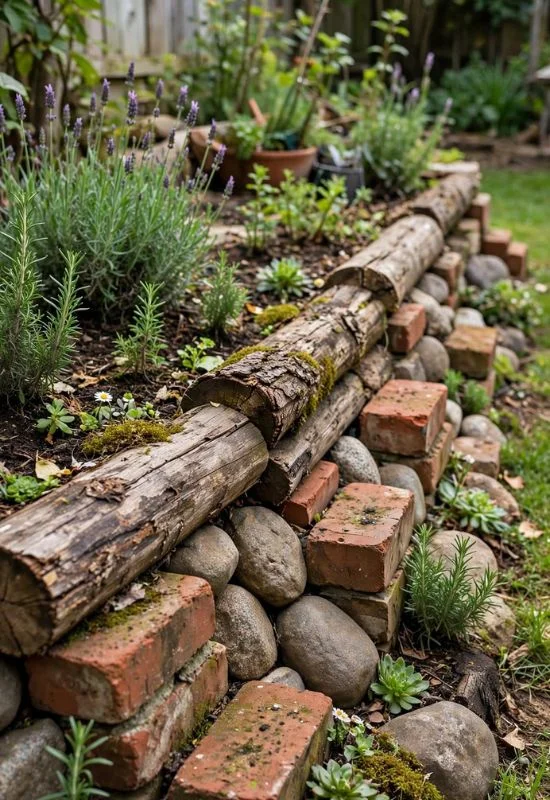
A defined border can make even a simple yard look more polished.
Use affordable materials such as:
- Bricks
- Stones
- Timber
- Reclaimed pavers
- Metal edging
Reuse Materials
Look around your property for suitable materials that can be safely reused rather than purchasing everything new.
9. Refresh Existing Flower Beds
You do not always need new landscaping to make a yard look better.
Remove weeds, trim overgrown plants, add fresh mulch, reorganize existing plants, and clean the surrounding area.
A simple refresh can dramatically improve the appearance of an established garden.
10. Add Solar Garden Lights
Solar lights can provide an affordable way to add evening interest to your yard.
Place them along:
- Pathways
- Garden beds
- Driveways
- Steps
- Seating areas
Use Lighting Selectively
You do not need dozens of lights. A few strategically placed fixtures can highlight important areas without making the yard look overcrowded.
Read Next: Paddleboarding Tips For Beginners
11. Create a Budget-Friendly Seating Area
Turn a small section of your yard into a relaxing outdoor space.
Use affordable chairs, a simple bench, or repurposed outdoor furniture.
Add cushions and a small table to make the area more comfortable.
12. Paint Existing Outdoor Features

A fresh coat of exterior-appropriate paint or stain can give old fences, garden furniture, planters, or other suitable features a new appearance.
Choose a Consistent Look
Using complementary finishes can help different inexpensive elements appear more coordinated.
Always use products appropriate for the material and outdoor conditions.
13. Plant Ground Covers
Ground-cover plants can fill empty spaces and create a softer landscape appearance.
Choose varieties that are suitable for your climate and intended growing conditions.
They can be particularly useful for areas where maintaining traditional lawn is difficult.
14. Reduce Lawn Size
Large lawns can require considerable water, mowing, and maintenance.
Consider replacing an unused portion with:
- Mulch beds
- Gravel
- Native plants
- Ground covers
- Small garden areas
This can create visual interest while potentially reducing ongoing maintenance.
15. Build a Small Rock Garden
A rock garden can provide texture without requiring expensive materials.
Use rocks of different sizes and combine them with suitable low-growing plants.
Work With What You Have
If you already have suitable stones on your property and local rules allow their use, incorporating them into your design can reduce material costs.
16. Create a Vertical Garden

Vertical planting is particularly useful for small yards.
Use a suitable trellis, wall planter, fence, or repurposed structure to grow:
- Herbs
- Flowers
- Climbing plants
- Some vegetables
This adds greenery without requiring much ground space.
17. Make a DIY Compost Area
Composting can turn suitable household and garden organic waste into useful soil amendment.
A simple compost setup can reduce the need to purchase as much organic material for garden beds.
Compost Responsibly
Use appropriate compostable materials and follow local guidance. Avoid adding materials that can attract pests or create odors.
The U.S. Environmental Protection Agency’s composting guide provides general information about home composting.
18. Use Recycled or Reclaimed Materials
Reclaimed bricks, stones, timber, and other suitable materials can add character to a landscape.
Use them for:
- Garden borders
- Pathways
- Raised beds
- Seating
- Decorative features
Inspect reclaimed materials carefully and make sure they are safe for outdoor use.
19. Create a Small Herb Garden
Herbs are inexpensive additions that can make your yard both attractive and useful.
Try growing suitable varieties such as:
- Basil
- Mint
- Parsley
- Rosemary
- Thyme
- Chives
Use Containers
If you have limited space, grow herbs in inexpensive containers near your kitchen or outdoor seating area.
20. Landscape in Phases

One of the best budget landscaping strategies is simply to avoid doing everything at once.
Divide your project into manageable stages.
Example Budget Plan
Phase 1: Clean and prepare the yard.
Phase 2: Define garden beds and pathways.
Phase 3: Add affordable plants and mulch.
Phase 4: Install lighting.
Phase 5: Add seating and decorative features.
This approach lets you spread expenses over time and adjust your design as the landscape develops.
How to Save Money on Yard Landscaping
Budget landscaping is not just about buying cheaper products. It is also about reducing waste and making smart long-term choices.
Plan Before You Buy
Measure your yard and create a basic layout before visiting a garden center.
Know how much soil, mulch, gravel, edging, and planting space you need.
This reduces impulse purchases and helps prevent buying too much material.
Shop for Plants Strategically
Compare prices between local nurseries, garden centers, seed suppliers, and community plant sales.
Small plants can often be considerably cheaper than mature specimens and may establish successfully with proper care.
Prioritize Long-Term Value
Avoid choosing a plant solely because it is inexpensive.
A plant that is poorly suited to your climate may require extra watering, maintenance, or replacement, making it more expensive over time.
Small Yard Landscaping Ideas on a Budget
Small spaces can actually be easier to transform because you need fewer materials.
Use Vertical Space
Trellises, hanging planters, and wall-mounted containers can add greenery without taking up valuable ground space.
Create One Focal Point
Instead of adding many decorations, choose one feature such as a small seating area, attractive planter, fountain, or tree.
This keeps the design simple and affordable.
Front Yard Landscaping Ideas on a Budget
The front yard is important because it creates the first impression of your home.
Improve the Entrance
Add simple plants around the front door or walkway and keep pathways clean and well-defined.
Refresh Existing Plants
Trim shrubs, remove dead growth, add mulch, and clean garden borders before buying new plants.
These small changes can significantly improve curb appeal.
Backyard Landscaping Ideas on a Budget
Backyards often provide more opportunities for functional landscaping.
Create a Relaxation Corner
Use a small patio, gravel area, or existing lawn section for outdoor seating.
Add a Simple Garden
A small vegetable, herb, or flower garden can add both beauty and usefulness without requiring a major investment.
Budget Yard Landscaping Checklist
-
Plan the yard before purchasing materials
-
Clean existing garden areas
-
Reuse suitable materials
-
Choose appropriate plants
-
Add affordable mulch
-
Create simple garden borders
-
Install a basic gravel path
-
Repurpose containers as planters
-
Grow plants from seeds
-
Divide suitable perennials
-
Add solar lighting
-
Create a small seating area
-
Refresh old outdoor furniture
-
Consider ground covers
-
Reduce unnecessary lawn
-
Create a small rock garden
-
Use vertical planting
-
Start a compost area
-
Grow herbs
-
Complete the project in phases
FAQs About Yard Landscaping Ideas on a Budget
What is the cheapest way to landscape a yard?
Cleaning and improving existing features is often the cheapest place to start. Adding mulch, growing plants from seeds, repurposing containers, creating simple borders, and using gravel can also keep costs manageable.
How can I landscape my yard with very little money?
Start small. Clean the yard, use existing plants, divide suitable perennials, create a small garden bed, reuse materials, and gradually add features as your budget allows.
What landscaping materials are inexpensive?
Depending on your location, mulch, gravel, reclaimed bricks, simple edging materials, and recycled containers can be relatively affordable options.
How can I make my yard look expensive on a budget?
Keep the design clean and coordinated. Defined edges, fresh mulch, healthy plants, simple pathways, selective lighting, and well-maintained furniture can create a polished appearance without expensive features.
Are native plants good for budget landscaping?
They can be. Plants that are well suited to local conditions may require less supplemental care than poorly adapted species. However, suitability varies by location and plant.
How can I reduce landscaping maintenance costs?
Choose appropriate plants, use mulch, reduce unnecessary lawn areas, group plants according to their water needs, and select durable materials.
How do I landscape a small yard cheaply?
Focus on one or two features, such as a small flower bed and seating area. Use vertical gardens, containers, gravel, and multipurpose furniture to maximize the available space.