20 Traveling Essentials | You Should Pack for Every Trip
Packing the right traveling essentials can make your journey more comfortable, organized, and stress-free. Whether you’re taking a weekend getaway, family vacation, road trip, international adventure, or long flight, having the right items can help you handle unexpected situations while enjoying your destination.
Instead of packing everything you own, focus on versatile items that are practical and easy to carry. Here are 20 traveling essentials worth adding to your packing list.
20 Traveling Essentials | You Should Pack for Every Trip:
1. Passport and Identification
Your passport, driver’s license, national ID, visa, and other required documents should be at the top of your packing list.
Keep Important Documents Safe
Use a secure travel wallet or document organizer. Keep digital backups of important reservations and documents when appropriate, but always carry the original documents required for your trip.
2. Smartphone
A smartphone is one of the most useful traveling essentials.
You can use it for:
- Navigation
- Boarding passes
- Hotel reservations
- Communication
- Travel apps
- Photography
- Emergency contacts
- Translation
Download important maps, tickets, and reservations before leaving in case internet access becomes unavailable.
3. Phone Charger
A dead phone can quickly become a problem while traveling.
Pack your charging cable and wall adapter in your carry-on or personal bag so they remain easy to access.
Bring a Spare Cable
A backup charging cable takes up little space and can be useful if your main cable stops working.
4. Power Bank
A portable power bank can keep your phone charged during long journeys, sightseeing days, airport delays, or outdoor activities.
Before flying, check your airline’s current requirements for carrying power banks and spare lithium batteries.
5. Travel Adapter
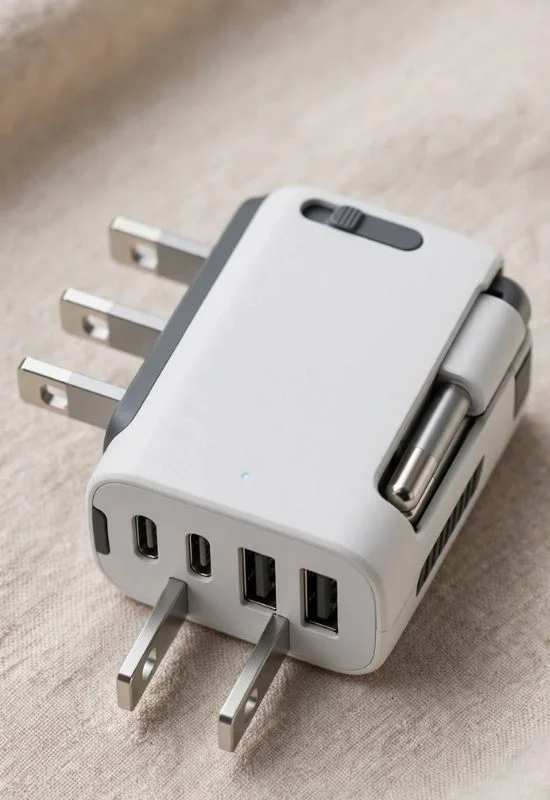
If you’re traveling internationally, electrical outlets may differ from those at home.
A universal travel adapter can help you charge compatible devices in different countries.
Check Voltage Requirements
An adapter changes the plug shape but does not necessarily convert voltage. Check your devices and destination requirements before connecting them to an unfamiliar electrical supply.
6. Comfortable Clothing
Comfortable clothing is essential for long flights, road trips, sightseeing, and changing weather.
Choose lightweight, versatile pieces that can be layered.
Pack clothes suitable for the destination’s expected temperatures and activities.
7. Comfortable Walking Shoes

A vacation can involve considerably more walking than your normal routine.
Choose comfortable, supportive shoes that are already broken in.
Pack Activity-Specific Footwear
If you’re hiking, visiting beaches, attending formal events, or participating in outdoor activities, bring footwear appropriate for those situations rather than relying on one pair for everything.
8. Toiletry Bag
A compact toiletry bag keeps personal-care products organized.
Consider packing:
- Toothbrush
- Toothpaste
- Deodorant
- Shampoo
- Soap
- Face wash
- Moisturizer
- Comb
- Razor
- Lip balm
For flights, follow your departure airport and airline’s current liquid restrictions.
9. First-Aid Kit
A small first-aid kit can help with minor problems while traveling.
Useful supplies may include:
- Bandages
- Gauze
- Antiseptic wipes
- Medical tape
- Tweezers
- Disposable gloves
- Personal medications
Include Personal Medications
Keep essential medications accessible during travel rather than placing them in checked luggage.
For international trips, check your destination’s rules for carrying medications before departure.
10. Reusable Water Bottle
A reusable water bottle helps you stay hydrated while reducing reliance on disposable bottles.
A lightweight or insulated bottle is useful for flights, road trips, sightseeing, hiking, and other activities.
For air travel, check security requirements before bringing liquids through the checkpoint.
Read Next: 15 Airplane Travel Essentials
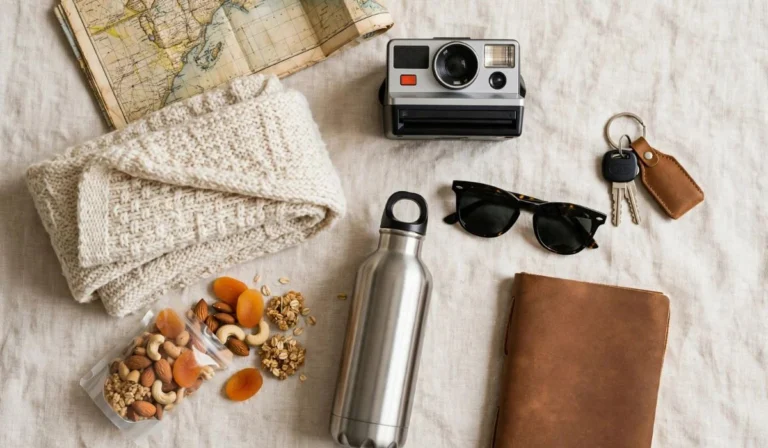
11. Travel Snacks

Snacks can be particularly useful during delays or long journeys between meals.
Good options include:
- Granola bars
- Nuts
- Trail mix
- Crackers
- Dried fruit
- Protein bars
Pack Non-Messy Foods
Choose foods that are easy to store and eat without creating spills or strong odors.
If crossing international borders, check food and customs regulations before packing snacks.
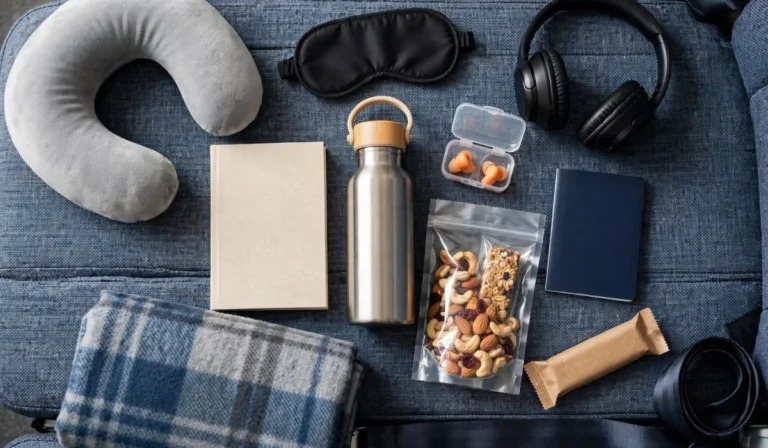
12. Travel Pillow
A travel pillow can make long journeys more comfortable by providing additional neck support.
It is especially useful for:
- Airplanes
- Buses
- Trains
- Road trips
- Overnight travel
Choose a compact, lightweight design if luggage space is limited.
13. Sleep Mask and Earplugs
A sleep mask and earplugs can help create a more comfortable environment when you need to rest.
They are useful in airplanes, hotels, hostels, trains, and other shared environments.
14. Hand Sanitizer and Wet Wipes
Hygiene supplies are simple but useful traveling essentials.
Pack hand sanitizer, tissues, and wet wipes for situations when soap and water are not immediately available.
They can also be useful during road trips, outdoor activities, and long transportation days.
15. Sunscreen and Sunglasses
Sun protection is important when spending time outdoors.
Pack:
- Sunscreen
- Sunglasses
- Hat
- Lip balm with sun protection
Reapply Sunscreen
Follow the product’s instructions and reapply as necessary, particularly after swimming, sweating, or extended outdoor activities.
16. Small Daypack
A lightweight daypack is useful for exploring your destination without carrying your main suitcase.
Use it for:
- Water
- Snacks
- Phone
- Camera
- Wallet
- Sunglasses
- Light jacket
- Personal items
Choose a comfortable bag that is large enough for daily necessities without becoming unnecessarily heavy.
17. Packing Cubes
Packing cubes can make luggage easier to organize and unpack.
You can separate:
- Shirts
- Pants
- Underwear
- Accessories
- Electronics
- Activity clothing
Organize by Activity
For longer trips, consider creating separate cubes for beachwear, hiking clothes, casual outfits, and evening clothing.
18. Laundry Bag
A lightweight laundry bag separates worn clothing from clean clothes.
It takes up very little space and can make your suitcase much easier to manage during longer trips.
For extended travel, a small amount of suitable travel laundry detergent can also be helpful.
19. Travel Insurance and Emergency Information
Travel insurance information, emergency contacts, accommodation details, and important phone numbers should be accessible throughout your trip.
Keep Backup Copies
Store copies of important information securely online and, when appropriate, keep a paper copy separately from your original documents.
For international travel, consult official government travel resources for current destination-specific advice. For U.S. travelers, the U.S. Department of State travel website provides destination information and travel guidance.
20. Travel Organizer
A travel organizer can keep small but important items together.
Use it for:
- Charging cables
- Memory cards
- Adapters
- Keys
- Pens
- Small toiletries
- Travel documents
- Other accessories
An organized bag means you spend less time searching through your luggage.
How to Pack Your Traveling Essentials
The best packing strategy is to organize your belongings according to how often you will need them.
Keep Frequently Used Items Accessible
Your personal bag or daypack should contain items such as:
- Phone
- Wallet
- Passport or ID
- Charger
- Medications
- Water bottle
- Snacks
- Travel documents
This is especially useful during airports, train journeys, and long road trips.
Separate Clothing and Toiletries
Use packing cubes for clothing and a waterproof toiletry bag for personal-care products.
This helps prevent spills and keeps your suitcase organized.
Pack for the Destination
Your traveling essentials should change depending on your destination.
For a beach vacation, prioritize swimwear, sunscreen, sunglasses, and sandals. For a hiking trip, focus on appropriate footwear, weather protection, water, and outdoor supplies.
Traveling Essentials Checklist
-
Passport and identification
-
Smartphone
-
Phone charger
-
Power bank
-
Travel adapter
-
Comfortable clothing
-
Walking shoes
-
Toiletry bag
-
First-aid kit
-
Reusable water bottle
-
Travel snacks
-
Travel pillow
-
Sleep mask and earplugs
-
Hand sanitizer and wipes
-
Sunscreen and sunglasses
-
Small daypack
-
Packing cubes
-
Laundry bag
-
Emergency information
-
Travel organizer
Tips for Packing Traveling Essentials
Choose Multipurpose Items
Whenever possible, choose items that can serve more than one purpose. A lightweight jacket, for example, can work as both casual clothing and weather protection.
Avoid Overpacking
Before packing an item, consider whether you are likely to use it. Carrying unnecessary belongings makes transportation harder and can increase baggage costs.
Prepare Before Departure
Check the weather, transportation rules, destination requirements, and planned activities before packing. This allows you to customize your essentials rather than following the same list for every trip.
FAQs About Traveling Essentials
What are the most important traveling essentials?
The most important items are identification and travel documents, phone, charger, medications, payment methods, appropriate clothing, toiletries, and destination-specific supplies.
What should I pack for a short trip?
For a short trip, focus on versatile clothing, comfortable shoes, toiletries, essential electronics, documents, medications, and a small daypack.
What should I keep in my carry-on?
Keep important documents, valuables, medications, electronics, chargers, payment methods, and anything you may need during transit in your carry-on or personal bag.
Do I need a travel adapter?
You may need one when traveling internationally if your destination uses different outlet types. Check the destination’s electrical system and your device requirements before leaving.
How can I avoid overpacking?
Create a packing list, choose versatile clothing, use travel-size toiletries, and remove items you are unlikely to use. Packing cubes can also help you organize efficiently.
Should I carry a first-aid kit?
Yes. A compact first-aid kit is useful for minor injuries and common travel problems. Include any personal medications you need.
What snacks are good for traveling?
Shelf-stable snacks such as nuts, granola bars, crackers, trail mix, dried fruit, and protein bars are convenient choices. Check destination customs restrictions when traveling internationally.
How do I keep my suitcase organized?
Use packing cubes for clothing, a toiletry bag for personal-care products, a travel organizer for electronics, and a separate laundry bag for worn clothes.