How To River Rafting | Everything you have to know
River rafting is an exciting outdoor activity that combines adventure, teamwork, nature, and the thrill of moving water. Whether you are planning a gentle family rafting trip or an adrenaline-filled ride through powerful rapids, understanding the basics can make your experience safer and more enjoyable.
If you are new to rafting, you may have questions about what to wear, what to bring, how difficult the rapids are, whether you need previous experience, and how to stay safe on the river.
This complete river rafting guide explains everything you need to know before your first trip, including rafting types, difficulty levels, essential gear, safety tips, preparation, what to expect, and frequently asked questions.
What Is River Rafting?
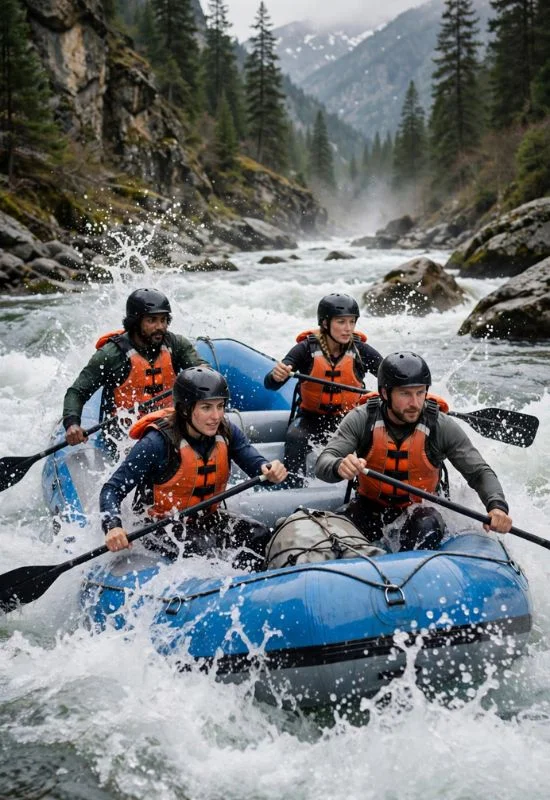
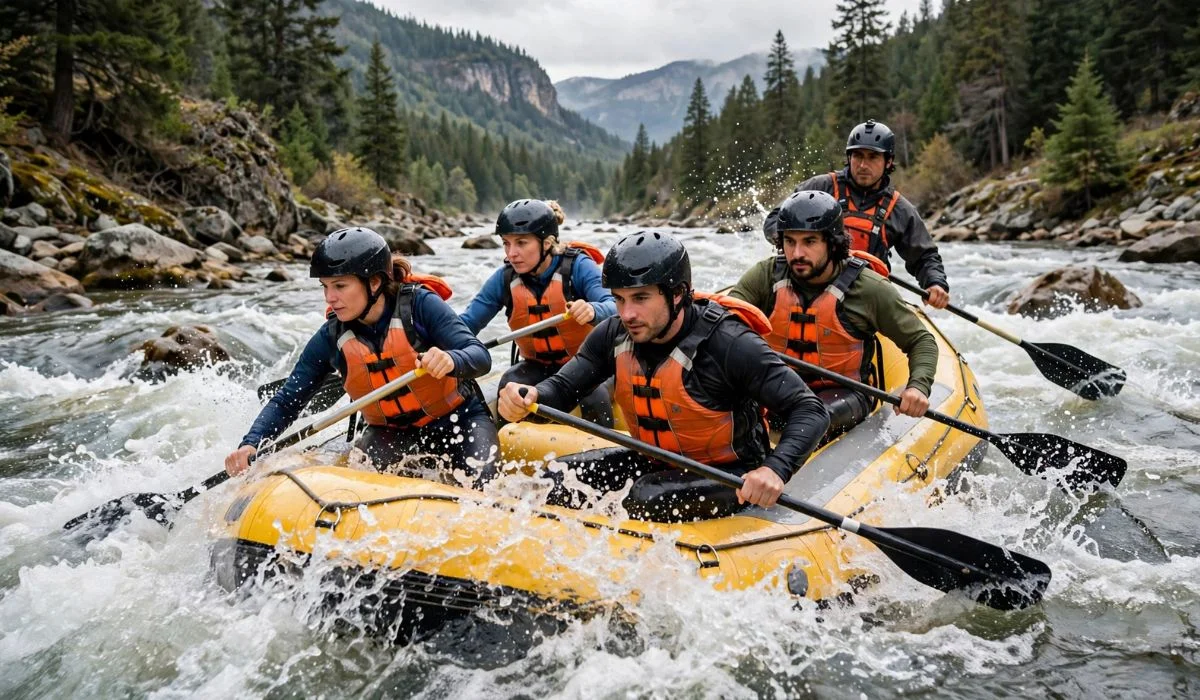
River rafting is a recreational water activity in which people travel down a river using an inflatable raft. Participants usually work together to paddle through calm sections, waves, drops, and rapids.
A professional rafting trip normally includes a trained guide who gives instructions, controls the route, and explains important safety procedures before entering the water.
Rafting can take place on rivers ranging from relatively calm water suitable for beginners to technically challenging whitewater routes for experienced paddlers.
The American Whitewater organization provides information about whitewater rivers, river safety, and responsible river recreation.
Why Is River Rafting So Popular?
River rafting offers more than excitement. It allows travelers to experience rivers and landscapes that may be difficult to see from roads or ordinary sightseeing routes.
Adventure and Excitement
The combination of fast-moving water, waves, drops, and teamwork creates an exciting experience.
Even a beginner-friendly trip can feel adventurous because the river environment constantly changes.
Beautiful Natural Scenery
Many rafting routes pass through:
- Forests
- Canyons
- Mountains
- Valleys
- Waterfalls
- Wildlife habitats
This makes rafting an excellent way to combine outdoor exploration with adventure.
Teamwork
Rafting is often a group activity. Everyone may need to paddle together and follow the guide’s instructions.
This makes rafting popular for families, friends, couples, and team-building groups.
Types of River Rafting
Not every rafting trip is the same. The experience depends on the river, water conditions, raft type, and difficulty level.
Recreational Rafting
Recreational rafting usually takes place on calmer rivers with smaller rapids. It can be a good introduction for beginners who want to enjoy the scenery without extremely challenging whitewater.
Whitewater Rafting
Whitewater rafting involves navigating rapids, waves, drops, and other river features.
Whitewater trips range from beginner-friendly routes to highly technical expeditions.
Multi-Day Rafting Trips
Some rafting adventures last several days.
These trips may include:
- Camping
- River cooking
- Hiking
- Wildlife viewing
- Remote landscapes
Multi-day rafting requires more preparation because participants need appropriate camping equipment, food, clothing, and personal supplies.
Understanding River Difficulty Levels
One of the most important things to understand before booking a rafting trip is river classification.
The International Scale of River Difficulty generally uses Classes I through VI.
Class I and II
These rivers usually have relatively easy conditions and small waves.
They may be appropriate for beginners when operated under suitable conditions and professional guidance.
Class III
Class III rivers have more significant waves and require greater paddling ability and attention to the guide.
Many commercially guided rafting trips operate on Class III sections.
Class IV
Class IV involves powerful and irregular rapids that require more technical skills and experience.
Participants should understand that conditions can vary depending on water levels and river characteristics.
Class V
Class V rapids are extremely challenging and require advanced skills, experience, and careful planning.
These routes are generally not suitable for inexperienced rafters.
Class VI
Class VI represents the highest level of difficulty and includes extremely challenging or potentially dangerous river conditions.
The American Whitewater river information can help experienced paddlers research river characteristics and difficulty.
Is River Rafting Safe?
River rafting can be an exciting recreational activity, but it involves genuine risks. Rivers contain moving water, rocks, changing currents, cold temperatures, and unpredictable conditions.
Safety depends on factors such as:
- River conditions
- Water level
- Weather
- Guide experience
- Equipment
- Participant behavior
- Skill level
For beginners, choosing a reputable commercial operator with trained guides is one of the most important safety decisions.
Follow Your Guide’s Instructions
Before entering the river, your guide should explain basic techniques and safety procedures.
Listen carefully and follow instructions throughout the trip.
During rapids, the guide may give commands telling everyone when to paddle, stop paddling, or change position.
Wear a Proper Life Jacket
A properly fitted personal flotation device, or PFD, should be worn as instructed by your rafting operator.
The U.S. Coast Guard provides information about life jackets and proper fit.
Your PFD should fit securely and be appropriate for the activity.
Wear a Helmet When Required
Some rafting trips involve technical whitewater where helmets are necessary.
Your operator should provide appropriate safety equipment and explain when and how to use it.
What to Wear for River Rafting
Choosing the right clothing can make your trip significantly more comfortable.
Quick-Drying Clothing
Wear clothing that dries relatively quickly.
Good options include:
- Synthetic shirts
- Quick-drying shorts
- Swimwear
- Rash guards
- Lightweight outdoor clothing
Avoid heavy cotton clothing because it can remain wet for a long time.
River Shoes
Wear secure footwear that will stay on your feet.
Depending on the operator and river, suitable options may include:
- Water shoes
- Secure sandals
- Neoprene booties
- Old athletic shoes
Avoid loose flip-flops because they can easily come off in moving water.
Sun Protection
Bring:
- Sunscreen
- Sunglasses
- Hat
- Long-sleeved sun shirt when appropriate
Consider sunglasses with a secure strap so they do not fall into the river.
River Rafting Gear and Equipment
A reputable rafting operator typically provides essential safety equipment.
Basic Rafting Equipment
Depending on the trip, equipment may include:
- Inflatable raft
- Paddle
- Personal flotation device
- Helmet
- Throw bag
- First-aid supplies
- Safety equipment
Equipment requirements vary depending on the river and operator.
What You Should Bring
Personal items may include:
- Water bottle
- Sunscreen
- Waterproof bag
- Towel
- Change of clothes
- Secure footwear
- Snacks for appropriate trips
- Personal medication
Ask the rafting company for its exact packing list before departure.
How to Prepare for River Rafting
You do not necessarily need to be an expert athlete to enjoy a beginner rafting trip, but basic preparation helps.
Improve Your Fitness
Rafting can require repeated paddling and physical effort.
Before your trip, consider activities such as:
- Swimming
- Walking
- Hiking
- Cycling
- Basic strength exercises
You do not need an extreme workout routine for a beginner trip, but reasonable fitness can make paddling more comfortable.
Learn Basic Water Safety
Knowing how to remain calm in moving water is useful.
If your trip operator provides a safety briefing or training session, pay close attention.
Never enter a river outside the planned activity area simply to practice.
What Happens During a River Rafting Trip?
Understanding the typical experience can reduce nervousness before your first adventure.
Arrival and Check-In
You will usually meet the rafting company at a designated location.
Staff may confirm your booking, collect required information, and explain the schedule.
Safety Briefing
Before entering the water, the guide normally explains:
- How to hold your paddle
- How to paddle
- Commands
- What to do if someone falls out
- How to sit safely
- Emergency procedures
Pay close attention even if you have rafted before.
Entering the River
After everyone is equipped, the group enters the river.
The beginning may include calmer water where you can practice paddling and become comfortable with the raft.
Navigating Rapids
As the river becomes faster, the guide directs the group.
Everyone may need to paddle together to help the raft move in the desired direction.
Finishing the Trip
After completing the route, the group leaves the river and returns equipment.
You can change into dry clothing, collect personal belongings, and relax after the adventure.
River Rafting Tips for Beginners
Stay Calm
If you feel nervous before your first rapid, remember that your guide is responsible for directing the raft.
Listen carefully and follow commands.
Keep Your Equipment Secure
Loose sunglasses, phones, cameras, and other items can easily disappear into the river.
Use secure straps and waterproof storage where appropriate.
Do Not Drink Alcohol Before Rafting
Alcohol can impair judgment, coordination, and reaction time.
Do not participate while impaired.
Stay Hydrated
You may be surrounded by water, but that does not mean you are automatically hydrated.
Bring drinking water when the operator allows it and drink regularly before and after the activity.
Protect Your Skin
Water reflects sunlight, and rafting often involves long periods outdoors.
Apply sunscreen before the trip and reapply according to product directions when appropriate.
Best Time for River Rafting
The ideal rafting season depends heavily on the river and location.
Spring
Snowmelt can increase river flows in some regions, creating more powerful whitewater.
Summer
Summer is popular for recreational rafting because temperatures are often warmer, although water conditions vary by river.
Autumn
Some destinations offer beautiful scenery and cooler weather during autumn.
Always check current river conditions and follow the rafting operator’s recommendations rather than choosing a season based only on general weather.
How to Choose a River Rafting Company
Choosing the right operator is particularly important for beginners.
Check Experience and Reputation
Look for an established company with experienced guides and clear safety procedures.
Read recent reviews and ask questions before booking.
Ask About Difficulty
Do not book a trip based only on photographs or marketing descriptions.
Ask:
- What class of rapids will we encounter?
- Is the trip suitable for beginners?
- What is the minimum age?
- What equipment is provided?
- What should we bring?
- What happens if weather or river conditions change?
Confirm Safety Procedures
Ask how the operator handles changing water conditions and emergencies.
A professional company should be able to explain its procedures clearly.
River Rafting for Families
Some rafting trips are designed specifically for families and beginners.
Check Age and Weight Requirements
Each operator can have different requirements.
Check minimum ages, swimming expectations, physical requirements, and equipment limitations before booking.
Choose the Right Difficulty
For families with young or inexperienced participants, choose a route appropriate for beginners rather than focusing on the most extreme experience.
Prepare Children
Explain what children can expect before the trip.
Teach them to listen to the guide and keep their safety equipment on throughout the activity.
River Rafting Packing Checklist
Before leaving for your rafting adventure, consider packing:
-
Quick-drying clothes
-
Swimwear
-
Secure water shoes
-
Sunscreen
-
Sunglasses with strap
-
Hat
-
Reusable water bottle
-
Waterproof bag
-
Towel
-
Complete change of clothes
-
Personal medications
-
Small snack if recommended
-
Identification and booking information
Do not bring valuables unless the operator provides secure storage.
Environmental Responsibility During Rafting
Rivers are sensitive ecosystems, so responsible recreation is important.
Leave No Trace
Take all personal waste with you.
Do not throw food wrappers, bottles, or other objects into the river.
The Leave No Trace Center for Outdoor Ethics provides principles for reducing environmental impact during outdoor recreation.
Respect Wildlife
You may see birds, fish, mammals, or other wildlife during your trip.
Observe animals from a respectful distance and avoid feeding or disturbing them.
Protect the River
Follow local regulations and operator instructions regarding where you can enter, exit, camp, or stop along the river.
River Rafting FAQs
Do you need experience for river rafting?
No. Many commercial rafting trips are designed for beginners and provide safety instructions before entering the river. However, difficulty varies, so choose a route appropriate for your experience level.
Is river rafting dangerous?
River rafting involves real risks because rivers contain moving water, rocks, changing currents, and other hazards. Choosing an appropriate route, wearing proper safety equipment, using a reputable operator, and following your guide’s instructions can help reduce risk.
What should I wear for river rafting?
Wear swimwear or lightweight quick-drying clothing and secure water shoes. Avoid heavy cotton clothing. Bring sunscreen, sunglasses with a secure strap, and a change of dry clothes.
Can beginners go whitewater rafting?
Yes, beginners can participate in many guided whitewater trips. Start with a lower-difficulty route and tell the operator that you are inexperienced so they can recommend an appropriate trip.
Do I need to know how to swim to go rafting?
Requirements vary by operator and trip. Some rafting companies may require participants to have basic swimming ability. Ask the operator about its specific requirements before booking.