25 Essential Rafting Tips | Gear, Safety, and Adventure Guide
River rafting is an exciting way to experience nature, explore beautiful waterways, and enjoy an unforgettable outdoor adventure. Whether you are planning your first family rafting trip or preparing for a more challenging whitewater experience, good preparation can make a major difference.
Knowing what to wear, what to pack, how to choose a rafting trip, and how to respond to your guide’s instructions can help you feel more confident on the water.
These rafting tips cover everything from choosing the right river and preparing your body to staying safe, protecting your belongings, and enjoying the experience responsibly.
Why Follow Rafting Tips Before Your Trip?
Rafting involves moving water, changing currents, rocks, waves, and weather conditions. Even beginner-friendly trips require attention and preparation.
Following basic rafting tips can help you:
- Choose an appropriate difficulty level
- Prepare the right clothing and equipment
- Understand basic river safety
- Communicate effectively with your guide
- Stay comfortable throughout the trip
- Protect your valuables
- Reduce your environmental impact
For beginners, the easiest way to start is with a professionally guided trip on a river suitable for your experience level.
The American Whitewater organization provides information about whitewater rivers, river access, and river safety.
25 Essential Rafting Tips:
1. Choose the Right Rafting Trip

One of the most important rafting tips is to select a trip that matches your experience.
Do not choose a difficult route simply because it looks exciting in photographs.
Ask the operator:
- What class are the rapids?
- Is the trip suitable for beginners?
- How long is the trip?
- What physical ability is required?
- What is the minimum age?
- What equipment is included?
A beginner-friendly route is usually a better choice for your first experience.
2. Research the Rafting Company
Choose a reputable rafting operator with experienced guides and clear safety procedures.
Before booking, read recent reviews and check the company’s website for information about:
- Guides
- Equipment
- Trip difficulty
- Age requirements
- Weather policies
- Cancellation policies
- Safety procedures
Do not hesitate to contact the company if you have questions.
3. Listen Carefully to the Safety Briefing
Every rafting trip should begin with safety instructions.
Pay attention even if you have participated in rafting before.
Your guide may explain:
- How to hold the paddle
- Paddling commands
- Where to sit
- What to do during rapids
- What to do if someone falls out
- How to respond during an emergency
The U.S. Coast Guard provides guidance on the importance and proper use of personal flotation devices for water activities.
4. Wear Your Life Jacket Correctly

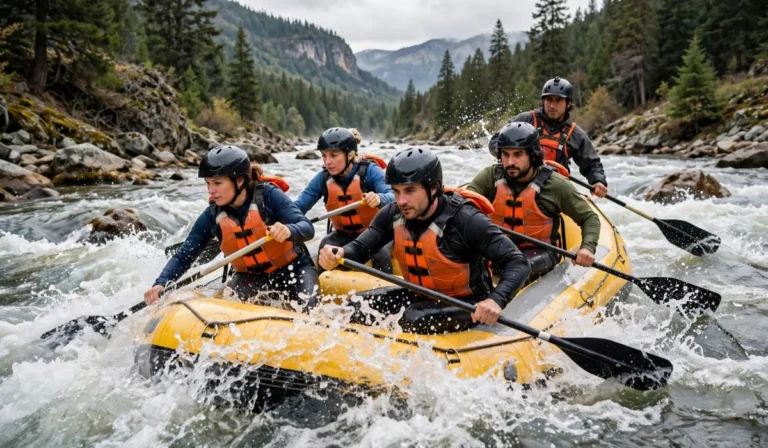
A properly fitted personal flotation device, or PFD, is one of the most important pieces of rafting safety equipment.
Your PFD should fit securely and be appropriate for the activity.
Check the straps before entering the river and follow your guide’s instructions about wearing it throughout the trip.
Do not loosen or remove your PFD while on the river unless your guide specifically instructs you to do so.
5. Wear a Helmet When Required
Some rafting routes require helmets because of the nature of the river and surrounding environment.
Make sure your helmet fits securely and comfortably.
Never modify or remove safety equipment because you think a rapid looks easy.
6. Wear the Right Clothing
Choosing the right clothes can make your rafting experience much more comfortable.
Good options include:
- Swimwear
- Quick-drying shorts
- Synthetic shirts
- Rash guards
- Lightweight outdoor clothing
Avoid heavy cotton clothing because it can become uncomfortable when wet.
7. Choose Secure Footwear
Wear footwear that stays firmly attached to your feet.
Suitable options may include:
- Water shoes
- Secure sandals
- Old athletic shoes
- Neoprene river footwear
Avoid loose flip-flops because they can easily fall off in moving water.
8. Protect Yourself From the Sun
Rafting often means spending several hours outdoors.
Bring:
- Sunscreen
- Sunglasses
- Hat
- Lightweight sun-protective clothing
Apply sunscreen before entering the river and reapply according to the product instructions.
The CDC provides guidance on protecting yourself from sun exposure during outdoor activities and travel.
9. Secure Your Sunglasses
Sunglasses can easily fall into the river.
Use a secure retainer or strap if appropriate.
Choose sunglasses that are comfortable and provide adequate protection from bright sunlight.
10. Leave Valuables Behind
One of the simplest rafting tips is to bring as few valuables as possible.
Avoid taking:
- Expensive watches
- Jewelry
- Unprotected phones
- Wallets
- Loose electronics
- Important documents
Waterproof storage does not necessarily guarantee that an item will remain dry during every situation.
Ask your rafting operator whether secure storage is available.
11. Use a Waterproof Bag

If you need to bring personal items, use a suitable waterproof bag or container.
Keep items such as:
- Medication
- Small personal supplies
- Identification
- Emergency contact information
protected according to the operator’s instructions.
Read Next: How To River Rafting
12. Stay Hydrated
Being surrounded by water does not mean you are hydrated.
Paddling and exposure to sunlight can make you thirsty and tired.
Drink water before the trip and bring a suitable water bottle if your operator allows one.
For longer adventures, ask the rafting company how much drinking water you should carry.
13. Eat Before Rafting
Eat a balanced meal before your trip, especially if you expect several hours of paddling.
Choose foods that provide sustained energy without making you feel overly full.
Good options may include:
- Oatmeal
- Bananas
- Eggs
- Whole-grain toast
- Yogurt
- Fruit
- Nuts
Avoid heavy meals immediately before intense activity.
14. Know Your Physical Limits
Rafting can require paddling, balancing, climbing in and out of the raft, and remaining active for several hours.
Be honest about your fitness level when booking.
If you have concerns about whether a particular trip is appropriate for you, discuss them with the operator before departure.
15. Practice Basic Paddling

Your guide will usually teach you basic paddling techniques before entering more challenging water.
Common commands may include instructions to:
- Paddle forward
- Paddle backward
- Stop
- Lean
- Move to a particular position
Listen carefully and respond quickly.
16. Paddle as a Team
Rafting is a team activity.
When your guide says to paddle, everyone may need to work together.
Try to maintain the same rhythm as the rest of the group.
Do not paddle randomly or ignore commands because you think you know what the raft should do.
17. Keep Your Feet Secure

Follow your guide’s instructions about where to place your feet.
Do not casually put your feet into moving water, especially in unfamiliar whitewater.
Your guide should explain the safest position for the raft and the type of river you are navigating.
18. Stay Calm During Rapids
Fast-moving water can look intimidating, particularly during your first trip.
If the raft enters a challenging section, stay focused on your guide’s commands.
Panic can make it harder to follow instructions.
Take a breath, maintain your position, and concentrate on the next command.
19. Know What to Do If You Fall Out
Your guide should explain the operator’s procedures before the trip.
If you unexpectedly enter the water, remain calm and follow the safety instructions you were given.
Do not attempt an improvised rescue or swim toward an unfamiliar riverbank without instruction.
The correct response depends on the river, water conditions, equipment, and operator’s procedures.
20. Check the Weather and River Conditions
River conditions can change quickly.
Weather, rainfall, snowmelt, water levels, and temperature can affect the difficulty of a river.
Always follow the rafting operator’s decision regarding whether conditions are suitable.
Do not attempt to continue independently if professional guides cancel or postpone a trip because of unsafe conditions.
Rafting Tips for Beginners:
Start With a Beginner-Friendly River
If you have never rafted before, choose a trip designed for beginners.
A lower-difficulty route allows you to learn basic techniques and become comfortable with the raft.
Tell Your Guide You’re New
Do not feel embarrassed about being a beginner.
Tell your guide about your experience level before entering the river.
This helps the guide understand what instructions and assistance you may need.
Ask Questions
If you do not understand a command, ask.
It is much better to clarify instructions before entering a rapid than to guess what you should do.
Rafting Tips for Families
Check Age Requirements
Rafting companies often have minimum age requirements that vary by trip.
Always check the operator’s rules before bringing children.
Choose the Right Difficulty
Families should generally choose a route that matches the youngest participant’s abilities.
Do not choose an extreme route simply because older family members want more excitement.
Prepare Children
Explain the experience before the trip.
Tell children that:
- The raft may move suddenly.
- They need to listen to the guide.
- They must wear their safety equipment.
- Water may splash into the raft.
- Everyone needs to work together.
Preparation can reduce anxiety and make the adventure more enjoyable.
Rafting Tips for Staying Comfortable
Bring a Change of Clothes
Even if your trip is short, pack dry clothing for afterward.
Keep the clothes in a waterproof or water-resistant bag until you finish rafting.
Bring a Towel
A towel is useful after the trip, especially if you are traveling to another location afterward.
Dress for Water Temperature
Warm weather does not necessarily mean warm water.
River temperatures can be surprisingly cold.
Ask your operator whether you need a wetsuit or other protective clothing for the conditions.
Rafting Tips for Taking Photos
Protect Your Camera
Regular phones and cameras can be easily damaged by water.
If you want photographs, ask the operator about waterproof cameras, waterproof cases, or professional photography services.
Don’t Sacrifice Safety for a Photo
Do not remove safety equipment, stand unnecessarily, or distract yourself during challenging sections just to capture a picture.
The experience is more important than getting the perfect photograph.
What Not to Do While Rafting
Don’t Ignore Your Guide
Your guide understands the river and the planned route.
Follow instructions throughout the trip.
Don’t Drink Alcohol Before the Activity
Alcohol can affect balance, judgment, coordination, and reaction time.
Do not participate while impaired.
Don’t Bring Unsecured Valuables
Anything that is not securely stored can easily be lost in the river.
Don’t Underestimate the River
Even calm-looking water can contain strong currents, submerged obstacles, or changing conditions.
Treat the river with respect.
How to Choose the Best Time for Rafting
Consider Water Levels
Water levels can dramatically affect river conditions.
A river that is relatively calm during one period may become much more challenging after heavy rainfall or seasonal snowmelt.
Consider Temperature
Warm air does not necessarily mean comfortable water temperatures.
Ask the operator about expected water temperature and whether protective equipment is required.
Check Seasonal Conditions
The ideal rafting season varies by destination.
Instead of relying on general travel advice, ask local rafting operators about current conditions and the best time for your chosen route.
Rafting Safety Checklist
Before leaving for your trip, make sure you have considered:
-
Appropriate rafting difficulty
-
Reputable rafting operator
-
Properly fitted PFD
-
Helmet if required
-
Secure footwear
-
Quick-drying clothing
-
Sunscreen
-
Sunglasses with a secure strap
-
Drinking water
-
Waterproof storage
-
Dry change of clothes
-
Towel
-
Personal medication
-
Weather conditions
-
River conditions
-
Operator requirements
-
Emergency procedures
Responsible Rafting Tips
Respect the Environment
Rivers are valuable ecosystems.
Do not throw trash into the water or leave waste along the riverbank.
Follow local regulations and operator instructions about camping, fishing, wildlife, and river access.
The Leave No Trace Center for Outdoor Ethics provides principles for minimizing environmental impact during outdoor recreation.
Respect Wildlife
You may encounter birds, fish, mammals, and other wildlife.
Observe animals from a safe distance and never feed or chase them.
Use Established Access Points
Enter and exit the river only at appropriate locations.
Unauthorized access can damage habitats and may create safety problems.
FAQs About Rafting Tips
What should a beginner know before rafting?
Beginners should choose a suitable difficulty level, book with a reputable operator, listen carefully to the safety briefing, wear a properly fitted PFD, dress appropriately, secure personal belongings, and follow the guide’s commands.
What should I wear for rafting?
Wear swimwear or quick-drying clothing and secure water shoes or other appropriate footwear. Avoid heavy cotton clothing. Depending on water temperature, you may also need a wetsuit or other protective clothing.
Is rafting difficult for beginners?
Beginner-friendly rafting trips are generally designed to teach participants the basic skills they need. However, rafting is still a physical activity, and difficulty varies significantly between rivers.
How can I stay safe while rafting?
Follow your guide’s instructions, wear your PFD correctly, use required safety equipment, choose an appropriate river, stay hydrated, and pay attention to changing weather and water conditions.
What should I bring rafting?
Bring quick-drying clothing, secure shoes, sunscreen, sunglasses with a strap, water, a towel, a waterproof bag, personal medication, and dry clothes. Follow your rafting operator’s specific packing instructions.
Can I wear flip-flops while rafting?
Flip-flops are generally not ideal because they can easily come off in moving water. Secure water shoes, sandals, or suitable athletic shoes are usually a better choice, depending on the operator’s requirements.
Can kids go rafting?
Yes, children can participate in some guided rafting trips, but minimum age and other requirements vary. Choose a family-friendly route and confirm the operator’s rules before booking.
Do I need to know how to swim to go rafting?
Requirements vary by operator and trip. Some trips may require swimming ability, while others have different participant requirements. Always ask the operator before booking.