30 Travel Necessities | Essential Items for Every Trip
Packing for a trip can feel overwhelming, especially when you’re trying to decide what you actually need and what can stay at home. The best travel packing list isn’t necessarily the longest one. It should include practical essentials that keep you comfortable, prepared, and ready for unexpected situations.
From travel documents and electronics to clothing, toiletries, and emergency supplies, these 30 travel necessities cover the basics for many types of trips. You can adjust the list depending on your destination, trip length, transportation, and planned activities.

30 Travel Necessities | Essential Items for Every Trip:
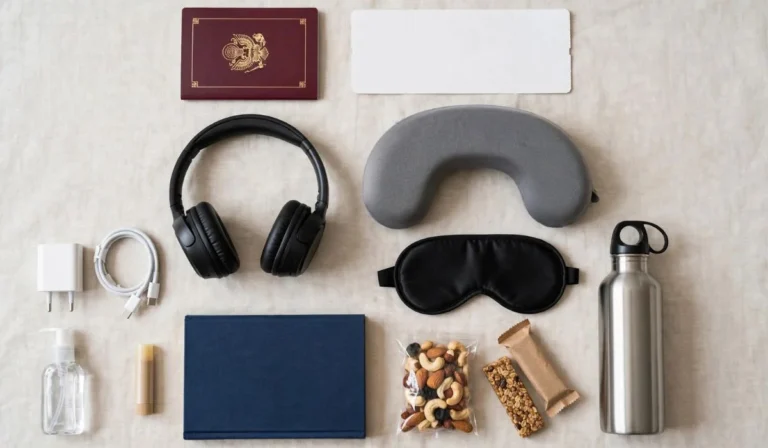
1. Passport or Government-Issued ID
Your identification is one of the first things to pack. International travelers generally need a valid passport, while domestic trips may require another form of government-issued identification.
Check Your Documents Before Leaving
Make sure your documents are valid and easy to access. For international travel, check whether your destination has specific passport validity or entry requirements.
2. Boarding Pass and Travel Reservations
Keep your boarding pass and important reservation details available on your phone or in printed form.
Save Important Information Offline
Download flight confirmations, hotel reservations, transportation details, and other important documents before leaving. Offline access can be helpful when you don’t have reliable internet service.
3. Wallet and Payment Cards
A wallet with your primary payment cards and identification is essential for almost every journey.
Bring a Backup Payment Method
Consider carrying a second card separately from your primary wallet. A small amount of local currency can also be useful for places that don’t accept cards.
4. Smartphone
Your smartphone can serve as a camera, navigation device, communication tool, boarding pass, translator, and source of travel information.
Prepare Your Phone Before the Trip
Download useful maps, tickets, translation apps, entertainment, and important documents before departure.
5. Phone Charger
A smartphone is only useful if it has enough battery power. Always pack the correct charging cable and wall adapter.
Keep Your Charger Accessible
Place your charger in your carry-on or personal bag rather than checked luggage. You may need it during an airport layover or long journey.
6. Power Bank
A portable power bank can provide backup battery power when you’re away from an outlet.
Check Transportation Rules
Power banks and spare lithium batteries may have specific transportation requirements, so check the rules that apply to your airline or mode of travel before packing one.
7. Travel Adapter
International travelers may encounter different electrical outlets at their destination.
Choose the Right Adapter
A universal travel adapter can be useful if you’re visiting multiple countries. Make sure it is compatible with the devices you plan to charge.
8. Comfortable Clothing

Comfortable clothing can make long flights, train journeys, road trips, and sightseeing days much more enjoyable.
Pack Versatile Pieces
Choose clothes that can be mixed and matched. Neutral basics and lightweight layers can reduce the number of garments you need to bring.
9. Extra Outfit
An extra outfit is a simple precaution that can become extremely useful if your luggage is delayed or your clothes become dirty during travel.
Keep It in Your Carry-On
For flights, consider packing underwear, socks, a shirt, and another basic outfit in your carry-on rather than placing everything in checked luggage.
10. Comfortable Shoes
The right shoes can make a major difference when you’re walking through airports, exploring cities, hiking, or sightseeing.
Consider Your Activities
Bring footwear that matches your itinerary. If you’ll be walking extensively, prioritize comfort and support over appearance.
Read Next: 15 Things To Bring On A Road Trip
11. Toiletry Kit
A compact toiletry bag keeps personal care products organized and easy to find.
Basic Toiletries to Include
Depending on your needs, pack items such as:
- Toothbrush and toothpaste
- Deodorant
- Hairbrush or comb
- Face wash
- Moisturizer
- Shaving supplies
- Personal hygiene products
Remember that liquid restrictions may apply to carry-on luggage.
12. Prescription Medications
Medications should always be treated as travel essentials.
Keep Important Medication With You
Place necessary medication in your carry-on rather than checked luggage. Keeping it in its original packaging can also make identification easier when traveling.
13. First-Aid Kit
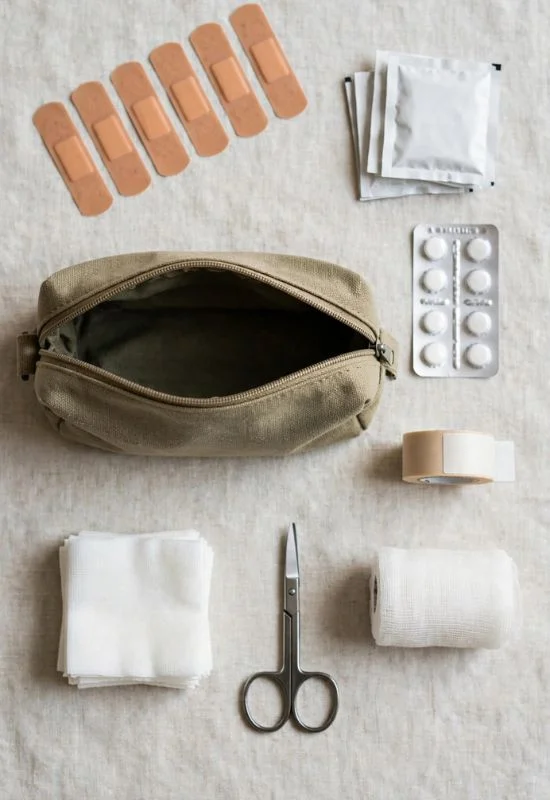
A small first-aid kit can help with minor cuts, blisters, headaches, and other everyday problems.
Keep It Compact
You don’t need a full medical kit for most trips. A few basic supplies can include adhesive bandages, antiseptic wipes, gauze, and other personal essentials.
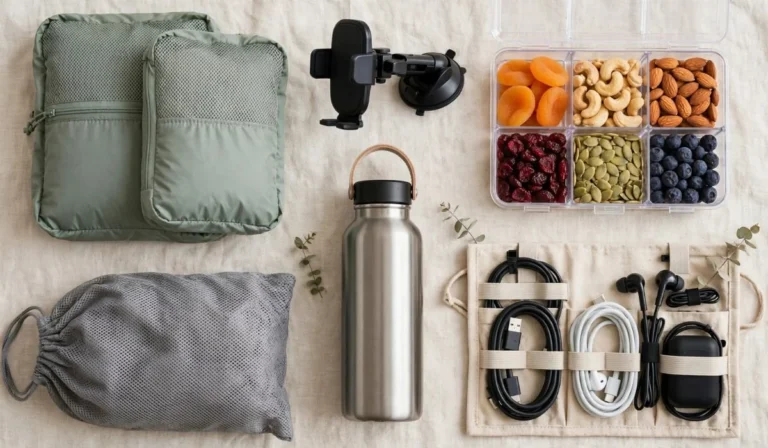
14. Reusable Water Bottle
A reusable water bottle helps you stay hydrated while reducing the need to repeatedly purchase bottled water.
Check Airport Security Rules
If you’re flying, you may need to empty the bottle before passing through security and refill it afterward.
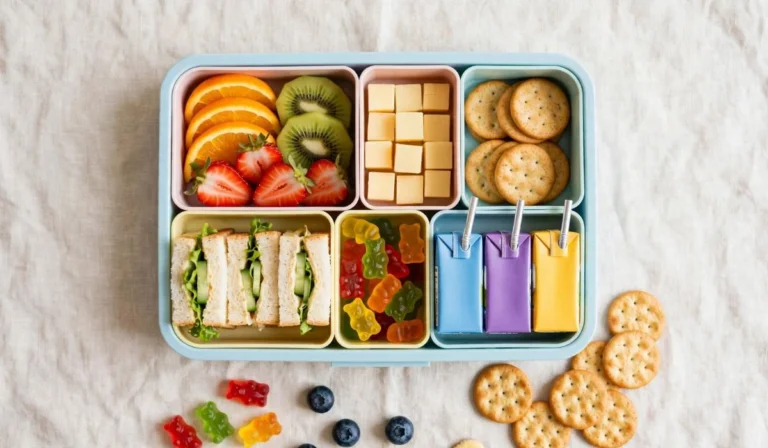
15. Travel Snacks
Having snacks available can be convenient when you’re hungry between meals or traveling through an area with limited food options.
Choose Portable Foods
Good travel-friendly options can include:
- Granola bars
- Crackers
- Trail mix
- Dried fruit
- Protein bars
- Biscuits
Check destination and transportation restrictions before bringing food across borders.
16. Travel Documents Organizer
A document organizer can keep passports, IDs, boarding passes, reservation details, and other paperwork together.
Avoid Digging Through Your Bag
Choose a slim organizer with separate compartments so you can quickly find what you need at airports, hotels, and border checkpoints.
17. Travel Insurance Information
If you have travel insurance, keep your policy information and emergency contact details accessible.
Save Digital and Physical Copies
A digital copy stored securely on your phone can be convenient. For important information, having a backup copy can provide additional peace of mind.
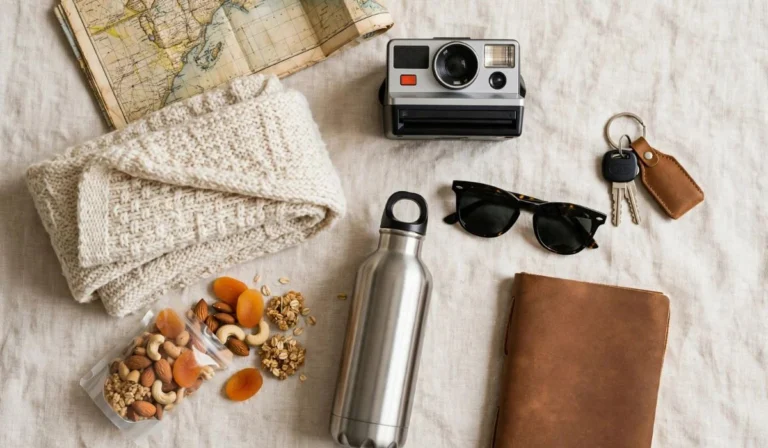
18. Sunglasses
Sunglasses are useful for sunny destinations, outdoor activities, road trips, and even bright airport terminals.
Choose a Protective Pair
If you’ll spend significant time outdoors, consider sunglasses that provide appropriate UV protection.
19. Sunscreen
Sun protection is important whether you’re visiting a beach, exploring a city, hiking, or spending time outdoors.
Pack According to Your Destination
Choose a sunscreen suitable for your activities and destination. If you’re flying with carry-on luggage, make sure the container complies with applicable liquid restrictions.
20. Travel Towel
A lightweight, quick-drying travel towel can be useful for beach trips, hostels, camping, swimming, and unexpected situations.
Look for Compact Materials
A microfiber towel generally takes up less luggage space than a traditional bath towel and dries relatively quickly.
21. Neck Pillow
A travel pillow can make long journeys more comfortable, especially when you’re trying to sleep while sitting upright.
Choose One You Can Carry Easily
A compact or compressible design is convenient when luggage space is limited.
22. Eye Mask
An eye mask can help block light when you’re trying to sleep on a plane, train, bus, or in an unfamiliar hotel room.
Pair It With Other Sleep Essentials
An eye mask works well alongside earplugs or comfortable headphones if you’re sensitive to light and noise.
23. Earplugs or Headphones
Travel can be noisy. Earplugs can provide simple noise reduction, while headphones can also be used for music, movies, podcasts, and calls.
Download Entertainment in Advance
If you’re traveling somewhere with unreliable internet access, download your preferred entertainment before departure.
24. Small Backpack or Day Bag
A compact day bag is useful once you’ve reached your destination.
Use It for Daily Essentials
A day bag can hold your phone, water bottle, wallet, sunscreen, snacks, camera, and other items while sightseeing.
Choose one that’s comfortable and appropriately sized for your activities.
25. Laundry Bag
A separate laundry bag keeps worn clothing away from clean clothes.
Keep Your Suitcase Organized
Use a lightweight reusable bag rather than carrying a bulky container. It takes up little room and can make unpacking much easier.
26. Zip-Top or Reusable Bags
Small reusable or zip-top bags have countless uses during travel.
Pack Them for Unexpected Situations
They can hold snacks, wet swimwear, small accessories, toiletries, souvenirs, or other items that need to stay separate from the rest of your luggage.
27. Travel Lock
A small travel lock can provide an additional layer of security for compatible luggage or storage.
Use It Where Appropriate
Choose a lock that meets the requirements of your transportation provider and destination. A lock is useful, but it shouldn’t replace sensible luggage security practices.
28. Notebook and Pen
A small notebook and pen may seem old-fashioned, but they can be surprisingly useful.
Use Them for Quick Notes
You can write down directions, expenses, addresses, reminders, packing notes, or information when your phone isn’t convenient to use.
29. Emergency Contact Information
Keep important emergency contacts available during your trip.
Include Essential Details
Consider saving contacts for family members, your accommodation, travel provider, insurance company, and relevant local emergency services.
Keep the information accessible even if your phone battery runs out by having an appropriate backup when needed.
30. Small Comfort or Personal Item
The final travel necessity should be something that makes your journey feel easier or more familiar.
Choose Something You Will Actually Use
This could be a favorite book, compact blanket, small travel game, eye drops, journal, or another practical personal item. Avoid filling your luggage with things that are unlikely to be used.
How to Organize These 30 Travel Necessities
A good packing system can be just as valuable as the items themselves. Instead of throwing everything into one suitcase, group similar belongings together.
Keep Your Most Important Items in Your Carry-On
Passports, identification, payment methods, medication, electronics, travel documents, and other irreplaceable essentials should remain accessible during transportation.
Use Packing Cubes or Small Pouches
Separate clothing, toiletries, electronics, and accessories into individual compartments. This makes your suitcase easier to navigate and helps you see what you have packed.
Pack for the Destination, Not Every Possibility
A beach vacation, business trip, hiking adventure, and winter getaway will require very different packing strategies. Use the 30 essentials as a foundation rather than a strict rule.
What to Leave Behind
Packing efficiently also means knowing what not to bring. Full-size toiletries, duplicate electronics, excessive clothing, and items that are readily available at your destination can quickly take up valuable luggage space.
Review Your Bag Before Leaving
After packing, remove anything you haven’t used on previous trips and anything you packed simply because you “might” need it. A lighter bag is usually easier to carry, organize, and transport.
Quick Travel Necessities Checklist
Before heading out, use this quick review:
- Passport or ID
- Boarding pass
- Wallet and payment cards
- Smartphone
- Phone charger
- Power bank
- Travel adapter
- Comfortable clothing
- Extra outfit
- Comfortable shoes
- Toiletry kit
- Prescription medication
- First-aid kit
- Reusable water bottle
- Travel snacks
- Document organizer
- Travel insurance information
- Sunglasses
- Sunscreen
- Travel towel
- Neck pillow
- Eye mask
- Earplugs or headphones
- Day bag
- Laundry bag
- Reusable bags
- Travel lock
- Notebook and pen
- Emergency contact information
- Personal comfort item
Final Thoughts:
The best travel packing list is one that keeps you prepared without making your luggage unnecessarily heavy. These 30 travel necessities provide a practical starting point for everything from short weekend trips to longer international adventures.
Start with the non-negotiables: identification, money, medications, travel documents, and essential electronics. From there, add clothing, toiletries, comfort items, and destination-specific gear.
Before you leave, review your itinerary and transportation requirements. A few minutes of thoughtful packing can help you avoid forgotten essentials and make the entire journey smoother.
FAQs:
What are the most important travel necessities?
The most important travel necessities include identification, travel documents, money or payment cards, medication, a phone, charger, appropriate clothing, toiletries, and any items required for your specific destination or activities.
How do I pack 30 travel necessities without overpacking?
Prioritize items you will use regularly and choose compact, versatile versions whenever possible. Multi-purpose products, packing cubes, and travel-sized toiletries can help reduce luggage weight and save space.
Should I keep travel necessities in my carry-on?
Essential documents, medication, money, electronics, valuables, and important personal items are best kept in your carry-on when flying. This ensures you can access them during the journey and reduces the risk of losing essential belongings.
What should I pack for a week-long trip?
For a week-long trip, focus on versatile clothing, comfortable shoes, toiletries, medication, electronics, travel documents, and destination-specific items. Packing clothes that can be mixed and matched can significantly reduce the amount of luggage you need.
What travel necessities should I pack for an international trip?
International travelers should pay particular attention to passports, entry documents, travel insurance information, payment methods, medication, travel adapters, and destination-specific requirements. Check your airline and destination rules before departure.
Are snacks considered travel necessities?
Snacks aren’t essential for every trip, but they can be extremely useful during long journeys, delays, road trips, and destinations where food options may be limited. Choose portable foods that comply with transportation and destination regulations.
Do I need a travel adapter for every trip?
You only need a travel adapter when your destination uses electrical outlets that are incompatible with your devices. International travelers visiting countries with different outlet types should check the requirements before departure.
How can I make my travel packing easier?
Create a reusable travel checklist and divide it into categories such as documents, electronics, clothing, toiletries, health items, and comfort essentials. Start packing early and do a final review before leaving home.