20 Summer Road Trip Essentials | Must-Have Items for a Fun Journey
Summer is one of the best times to take a road trip. Longer days, warmer weather, school vacations, and outdoor activities make it an ideal season for exploring new destinations by car. However, summer driving also brings challenges such as high temperatures, strong sunlight, traffic, sudden storms, vehicle overheating, and dehydration.
Packing the right summer road trip essentials can make your journey more comfortable and help you handle unexpected situations. From drinking water and sunscreen to emergency equipment, snacks, navigation tools, and comfortable clothing, every item has a purpose.
Whether you are planning a family vacation, couples’ getaway, beach trip, camping adventure, or long-distance drive, this guide covers 20 summer road trip essentials you should consider before hitting the road.
Summer Road Trip Essentials: What Should You Pack?
A successful summer road trip requires more than clothes and luggage. You need to prepare for both everyday comfort and unexpected situations.
The National Highway Traffic Safety Administration (NHTSA) recommends checking your vehicle before summer travel and carrying a roadside emergency kit. Its suggested supplies include a phone and charger, first-aid kit, flashlight, jumper cables, tire-pressure gauge, jack, water, food, medicines, maps, and other emergency equipment.
The National Park Service also recommends essentials such as navigation, sun protection, first-aid supplies, extra food and water, illumination, repair tools, and emergency shelter for outdoor trips.
Here are the most useful items to add to your summer packing list.
20 Summer Road Trip Essentials:
1. Reusable Water Bottles

Water is one of the most important summer road trip essentials. Hot weather and outdoor activities can increase the risk of dehydration, so make sure everyone has easy access to drinking water.
Pack a reusable bottle for each passenger and keep additional water available for unexpected delays.
The CDC advises travelers in hot climates to drink plenty of non-alcoholic fluids and take steps to reduce the risk of heat-related illness.
Packing tips:
- Give each passenger a labeled bottle.
- Carry extra water for emergencies.
- Use insulated bottles to keep water cool.
- Refill bottles at reliable water sources.
2. Insulated Cooler
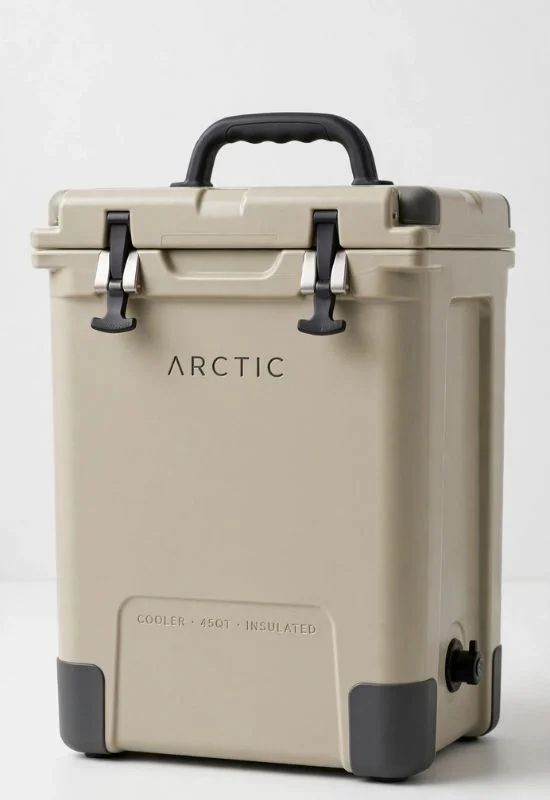
An insulated cooler is extremely useful for summer travel. It can keep suitable foods and drinks cold while you are driving between destinations.
Good cooler items include:
- Bottled or reusable water
- Fresh fruit
- Sandwiches
- Cheese
- Yogurt
- Cold drinks
- Suitable snacks
Use ice or frozen cooling packs and minimize the time perishable foods spend outside safe temperatures.
3. Sunscreen

Sunscreen should be part of every summer road trip packing list, especially if your itinerary includes beaches, hiking, sightseeing, or other outdoor activities.
The CDC recommends sunscreen and other sun-protection measures during travel. It notes that UV exposure can be particularly significant during summer and near the equator.
Keep sunscreen somewhere accessible so passengers can reapply it when needed.
4. Sunglasses

Bright sunlight and road glare can make driving uncomfortable. A quality pair of sunglasses can help reduce glare and protect your eyes from sunlight.
For drivers, choose sunglasses that provide clear vision and do not interfere with seeing traffic signals, road signs, or other vehicles.
Passengers should also carry sunglasses for outdoor stops.
5. Sun Hats and Caps

A hat is a simple way to add extra protection during outdoor activities.
Consider packing:
- Baseball caps
- Wide-brimmed hats
- Lightweight sun hats
- Packable hats for easy storage
A hat is particularly useful when visiting beaches, parks, hiking trails, and outdoor attractions.
6. Lightweight, Breathable Clothing
Summer road trips can become uncomfortable when passengers wear heavy clothing.
Choose lightweight and breathable clothes such as:
- Cotton shirts
- Loose-fitting tops
- Shorts
- Lightweight pants
- Breathable socks
- Comfortable underwear
- Light jacket or sweater
The CDC recommends loose, lightweight clothing in hot climates as part of heat-safety measures.
Pack at least one extra outfit in an accessible bag in case of spills, rain, or unexpected stops.
7. Comfortable Walking Shoes
Road trips often involve more walking than expected. You may stop at viewpoints, restaurants, parks, beaches, museums, or hiking trails.
Pack comfortable shoes that match your activities.
If you are planning outdoor adventures, consider bringing activity-specific footwear as well as an everyday pair.
8. First-Aid Kit
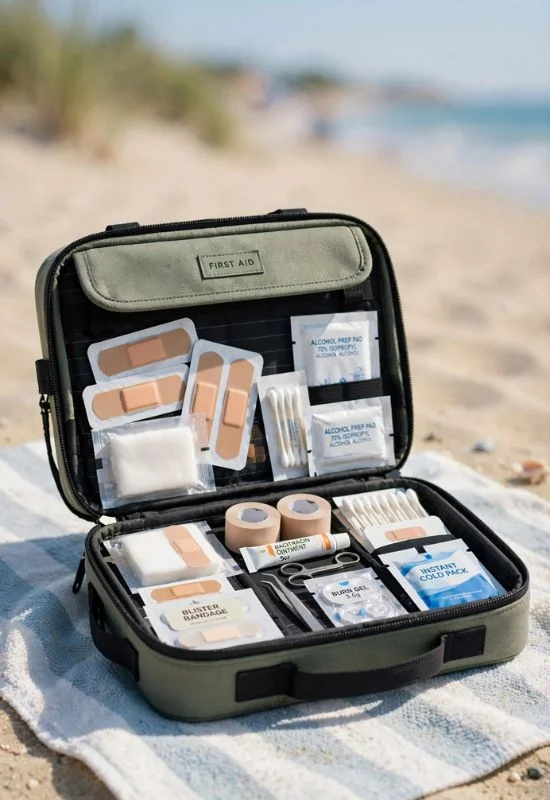
A first-aid kit is an essential part of your road trip safety equipment.
A basic kit can contain:
- Adhesive bandages
- Gauze
- Medical tape
- Antiseptic supplies
- Disposable gloves
- Tweezers
- Scissors
- Personal medications
- Basic over-the-counter medicines
The NPS recommends customizing first-aid supplies according to your activity and personal needs and checking expiration dates before traveling.
Keep the kit accessible instead of placing it underneath heavy luggage.
9. Emergency Roadside Kit
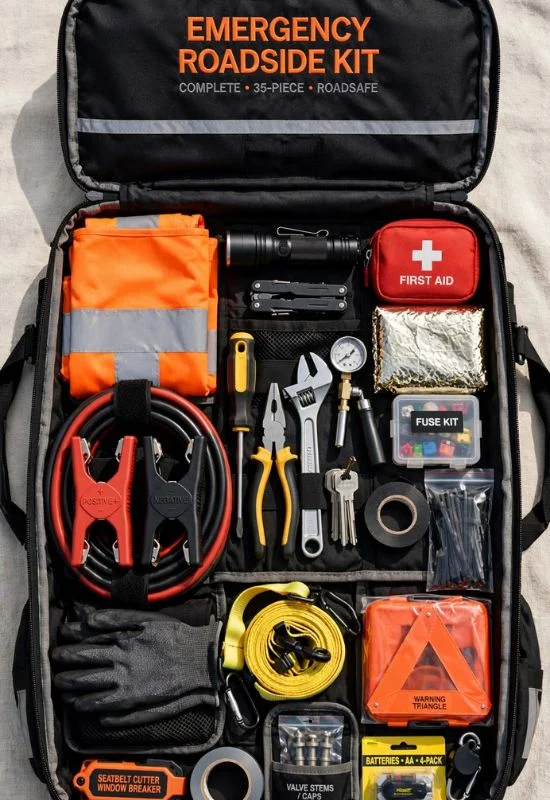
Even a well-maintained vehicle can experience unexpected problems.
Create an emergency roadside kit containing items such as:
- Flashlight
- Extra batteries
- Jumper cables
- Tire-pressure gauge
- Jack and lug wrench
- Work gloves
- Basic repair tools
- Duct tape
- Emergency blanket
- Drinking water
- Nonperishable food
- Paper towels
NHTSA specifically recommends carrying a roadside emergency kit because vehicle breakdowns can happen even when a car is properly maintained.
10. Portable Power Bank
Your phone may be needed for navigation, communication, reservations, and emergencies.
A portable power bank gives you an additional charging option when your car is turned off or when a charging port is unavailable.
Pack:
- Power bank
- Car charger
- Charging cables
- Multi-port adapter
Before leaving, charge all devices and power banks fully.
11. Car Phone Mount
A secure phone mount can make navigation easier by keeping the phone positioned where it can be viewed appropriately without being held.
Set your route before driving whenever possible. Avoid manually operating your phone while driving.
NHTSA identifies distracted driving as a significant safety concern and advises drivers to keep their attention on driving.
12. Road Trip Snacks
Snacks can prevent unnecessary stops and keep passengers satisfied between meals.
Good summer road trip snacks include:
- Granola bars
- Crackers
- Trail mix
- Nuts
- Dried fruit
- Fresh fruit
- Pretzels
- Sandwiches
- Protein bars
Choose foods that are easy to store and eat inside the vehicle.
For outdoor trips, the NPS recommends carrying extra nutritious food in case plans change or delays occur.
13. Wet Wipes and Tissues
Wet wipes are one of those small items that become surprisingly valuable during a road trip.
Use them to clean:
- Hands
- Faces
- Seats
- Tables
- Food spills
- Sticky surfaces
Also pack tissues, paper towels, and small garbage bags.
These supplies are particularly useful when traveling with young children.
Read Next: 20 Road Trip Car Set Up
14. Hand Sanitizer
A small bottle of hand sanitizer is convenient when soap and running water are unavailable.
Keep one in the front console and another in a passenger bag.
Use handwashing with soap and water when available, and follow product directions when using sanitizer.
15. Extra Towels
Extra towels are useful for summer trips involving beaches, pools, lakes, waterfalls, or water activities.
They can also help with:
- Cleaning spills
- Drying wet clothes
- Wiping shoes
- Cleaning condensation
- Protecting seats from wet items
Microfiber towels are a convenient choice because they are lightweight and dry quickly.
16. Navigation Backup
GPS is convenient, but your phone should not be your only navigation option.
Before leaving:
- Download offline maps.
- Save your hotel address.
- Save important destinations.
- Check the planned route.
- Note fuel or charging locations.
- Carry a physical map when appropriate.
The NPS recommends having a physical map as a backup and notes that phones may lose service or battery power during outdoor trips.
17. Portable Entertainment
Long summer drives can become boring, especially for children.
Bring a mixture of entertainment options, including:
- Audiobooks
- Music
- Podcasts
- Travel games
- Coloring books
- Puzzle books
- Card games
- Headphones
- Tablets
Try alternating screen-based activities with conversation, games, reading, and sightseeing.
18. Cooling and Shade Accessories

Extra cooling supplies can make a major difference during hot-weather travel.
Consider packing:
- Window shades
- Cooling towels
- Portable fans
- Insulated seat covers
- Lightweight blankets for air-conditioned cabins
When stopping outdoors, look for shaded areas whenever possible.
Never leave children or pets unattended inside a parked vehicle. Interior temperatures can become dangerously hot even when the outside temperature does not seem extreme.
19. Extra Personal and Emergency Supplies
A small travel-health bag can prevent inconvenient stops.
Depending on your needs and destination, consider carrying:
- Prescription medicines
- Basic over-the-counter medicines
- Insect repellent
- Aloe or skin-care products
- Hand sanitizer
- Sunscreen
- Health insurance information
- Personal hygiene supplies
The CDC recommends preparing a travel health kit with necessary medicines and other supplies and taking enough medication to cover the trip plus extra for possible delays.
20. Vehicle Maintenance Supplies
Before starting a summer road trip, prepare your car for hot weather and long-distance driving.
Check:
- Tire pressure
- Tire tread
- Engine oil
- Coolant
- Brake system
- Battery
- Windshield wipers
- Lights
- Air conditioning
- Spare tire
NHTSA specifically recommends checking air-conditioning performance and the cabin air filter before summer travel because the vehicle’s cooling system works harder in high temperatures.
If your vehicle needs maintenance, complete it before the trip rather than waiting until you are on the road.
How to Organize Summer Road Trip Essentials
Keep Frequently Used Items Accessible
Do not bury your most important items beneath luggage.
Keep these items within passenger reach:
- Water
- Snacks
- Sunscreen
- Sunglasses
- Tissues
- Chargers
- Entertainment
- Hand sanitizer
Emergency equipment should also be stored where it can be reached without unloading the entire vehicle.
Use Separate Travel Bags
Organization becomes easier when you divide your supplies into categories.
Use separate bags for:
Emergency: First-aid kit, flashlight, tools, and roadside equipment.
Food: Snacks, cooler, reusable bottles, and utensils.
Personal care: Sunscreen, toiletries, wipes, and medications.
Entertainment: Books, games, headphones, and devices.
Outdoor gear: Towels, shoes, hats, and activity equipment.
Summer Road Trip Safety Tips
Check Weather and Road Conditions
Summer does not always mean predictable weather. Heavy rain, thunderstorms, flooding, and severe heat can affect driving conditions.
NHTSA recommends checking weather, traffic, and road conditions before heading out.
If you encounter flooded roads, never assume the water is shallow enough to cross. NHTSA warns that rushing water can carry away vehicles and advises drivers to turn around rather than drive through hazardous floodwater.
Take Regular Breaks
Long-distance driving can cause fatigue. Plan stops to stretch, eat, use the restroom, and rest.
NHTSA recommends taking breaks during long trips rather than attempting to drive continuously for excessive periods.
Protect Yourself From Heat
Drink water regularly, wear appropriate clothing, use sun protection, and take breaks in shaded or air-conditioned locations when possible.
The CDC recommends hydration, hats, sunglasses, sunscreen, lightweight clothing, and planning outdoor activities during cooler parts of the day when traveling in hot climates.
Keep Children and Pets Safe
Children can be particularly vulnerable to heat. Make sure they are properly restrained and never leave them unattended inside a parked car.
For outdoor stops, make sure children have water, sun protection, and appropriate clothing.
Pets also need regular access to water, shade, and suitable ventilation. Never leave a pet alone in a hot vehicle.
Summer Road Trip Essentials for Families
Family road trips require a few additional preparations.
Pack:
- Extra children’s clothing
- Snacks
- Water bottles
- Wet wipes
- Diapers if needed
- Travel games
- Books
- Headphones
- Comfort items
- Child-safe sunscreen
Keep frequently needed items in a backseat organizer so parents do not have to unpack the trunk during every stop.
Summer Road Trip Essentials for Camping Trips
If your summer road trip includes camping or hiking, expand your packing list.
The NPS Ten Essentials include navigation, sun protection, extra clothing, illumination, first aid, repair tools, extra food, hydration, and emergency shelter.
You may also need:
- Tent
- Sleeping bags
- Camping stove
- Cooking equipment
- Headlamps
- Insect repellent
- Hiking shoes
- Outdoor clothing
- Water-treatment equipment
- Activity-specific safety gear
Research your destination before leaving because conditions and equipment requirements vary.
Summer Road Trip Packing Checklist
Before starting your journey, check that you have:
-
Drinking water
-
Insulated cooler
-
Snacks
-
Sunscreen
-
Sunglasses
-
Hats
-
Lightweight clothing
-
Comfortable shoes
-
First-aid kit
-
Emergency roadside kit
-
Flashlight
-
Jumper cables
-
Tire equipment
-
Phone charger
-
Power bank
-
Navigation backup
-
Wet wipes and tissues
-
Hand sanitizer
-
Towels
-
Entertainment
-
Personal medications
-
Vehicle maintenance supplies
FAQs About Summer Road Trip Essentials
What are the most important summer road trip essentials?
The most important items include water, sunscreen, sunglasses, comfortable clothing, snacks, a first-aid kit, emergency roadside equipment, a phone charger, navigation backup, and basic vehicle maintenance supplies.
How much water should I bring on a summer road trip?
Bring enough water for everyone during the planned journey and additional water for unexpected delays. Your needs depend on the weather, trip length, activities, and access to reliable water sources. The NPS emphasizes preparing water before you need it, particularly during hot-weather outdoor activities.
What food is best for a summer road trip?
Choose easy-to-pack foods such as granola bars, nuts, crackers, dried fruit, fresh fruit, and sandwiches. Use a cooler and appropriate cold-storage methods for foods that need refrigeration.
How do I keep my car cool during a summer road trip?
Make sure the air conditioning works properly before departure, use window shades while parked, stay hydrated, and take breaks in cool or shaded areas. NHTSA recommends checking air-conditioning performance before summer travel.
What should I keep in my car for summer emergencies?
A summer emergency kit should include a phone and charger, first-aid supplies, flashlight, jumper cables, tire-pressure gauge, jack, work gloves, basic tools, water, nonperishable food, medicines, and emergency blankets.
Should I bring a paper map on a road trip?
Yes. A paper map can serve as a backup if your phone loses battery, GPS becomes unavailable, or cellular service is interrupted. The NPS recommends carrying a physical map as a navigation backup for outdoor travel.
What should I wear on a summer road trip?
Choose lightweight, loose-fitting, breathable clothing. Pack comfortable shoes, sunglasses, a hat, and an extra layer for air-conditioned vehicles or cooler weather. The CDC recommends loose, lightweight clothing and sun protection in hot climates.
How can I make a summer road trip more comfortable?
Keep water and snacks accessible, organize the vehicle before departure, use a cooler, bring entertainment for passengers, wear comfortable clothing, take regular breaks, and prepare your vehicle for hot weather.