Paddleboarding Tips For Beginners | Easy SUP Guide
Stand-up paddleboarding, commonly called SUP, is a fun way to explore lakes, rivers, calm coastal waters, and other suitable waterways. However, beginners need more than a board and paddle to have a safe and enjoyable experience.
Learning basic balance, choosing suitable equipment, understanding weather and water conditions, and knowing how to fall safely can make your first few sessions much easier.
Here are 20 practical paddleboarding tips for beginners to help you build confidence on the water.
Paddleboarding Tips For Beginners | Easy SUP Guide:
1. Start on Calm, Flat Water
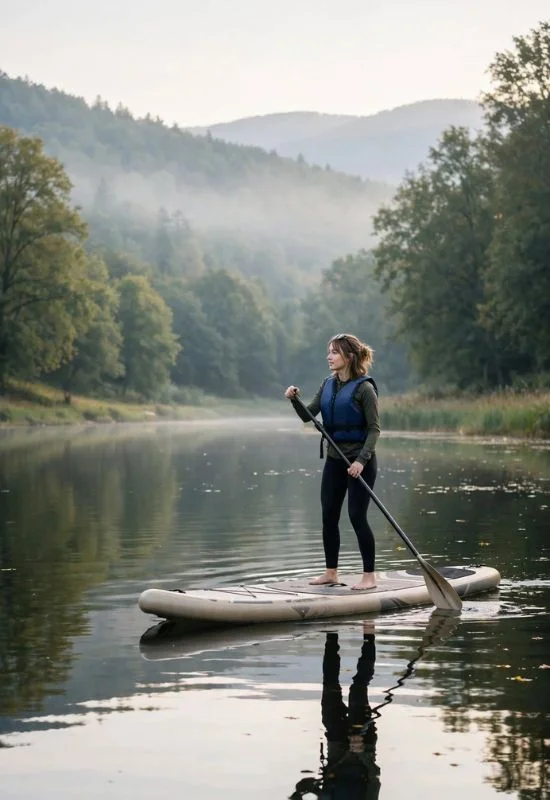
Your first paddleboarding session should ideally take place on calm, flat water with minimal wind, waves, and boat traffic.
A sheltered lake or calm section of water is often easier for beginners than an exposed coastline.
Choose a Beginner-Friendly Location
Look for a launch area with easy water access, plenty of space, and suitable conditions. Avoid strong currents, large waves, or crowded waterways until you have developed better control.
2. Choose the Right Paddleboard
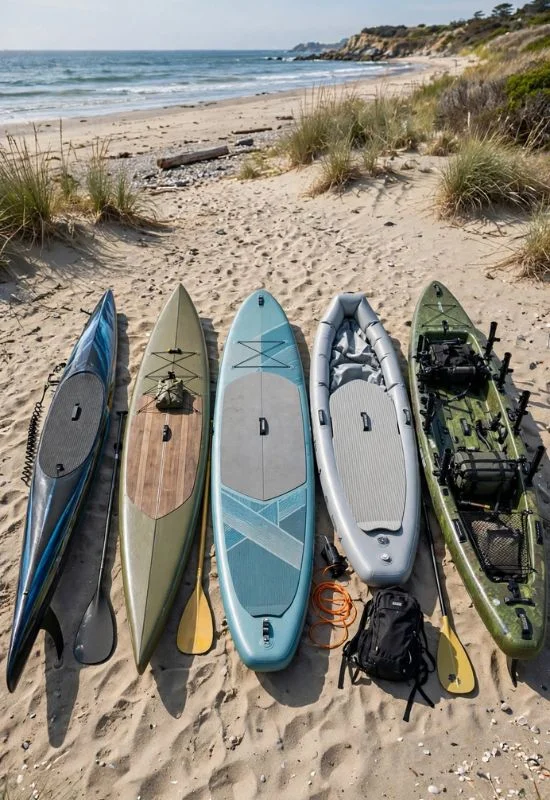
The right board can make learning much easier.
Beginners often benefit from a wider and more stable board because it provides more room to balance.
Consider:
- Board width
- Board length
- Weight capacity
- Stability
- Construction
- Intended water conditions
Don’t Choose Based on Appearance Alone
A narrow performance board may look sleek, but it can be harder for a beginner to balance on. Stability should be a priority when learning.
3. Wear a Proper Personal Flotation Device

A personal flotation device, or PFD, is an important piece of paddleboarding safety equipment.
Choose a properly fitted PFD appropriate for your activity and location. Check local regulations because requirements can vary depending on the waterway and country.
The U.S. Coast Guard’s boating safety guidance provides general information about recreational boating safety and life jackets.
4. Use the Correct Paddle Length

An improperly sized paddle can make paddling uncomfortable and inefficient.
As a starting point, many recreational SUP paddlers use a paddle that reaches somewhat above their head when standing, but exact sizing depends on paddle design, paddling style, and personal preference.
Adjust the Paddle
If your paddle is adjustable, fine-tune the length after getting onto the board. Your posture should feel natural without excessive bending or reaching.
5. Learn to Carry Your Board Safely
SUP boards can be awkward to carry, particularly in windy conditions.
Use the board’s center handle when available and carry it in a controlled manner.
Be aware of other people, trees, rocks, vehicles, and overhead obstacles when moving toward the water.
6. Start on Your Knees

One of the easiest paddleboarding tips for beginners is to begin from a kneeling position.
Place your knees around the center of the board and practice paddling before attempting to stand.
This helps you understand how the board moves and gives you time to become comfortable with balance.
Practice Before Standing
Try paddling forward, turning, stopping, and changing sides while kneeling. Once you feel stable, gradually move toward standing.
7. Stand Up Slowly
When you are ready to stand, place your feet approximately shoulder-width apart near the board’s center.
Keep your knees slightly bent and rise gradually.
Avoid standing suddenly because a quick movement can cause the board to shift underneath you.
8. Keep Your Eyes Forward
Beginners often look directly at their feet because they are worried about falling.
However, staring down can make balancing more difficult.
Look Toward the Horizon
Keep your head up and look toward the direction you want to travel. Your body will naturally respond better when your gaze is forward.
9. Keep Your Knees Slightly Bent
Standing with completely locked knees can make it harder to respond to small movements from the board.
A relaxed stance with slightly bent knees allows your body to absorb movement.
Think of your legs as suspension rather than rigid supports.
10. Use Your Core for Balance

Paddleboarding is not simply an arm workout.
Your legs and core help maintain balance while your upper body controls the paddle.
Maintain Good Posture
Keep your back relatively straight, shoulders relaxed, and core engaged. Avoid leaning excessively from side to side.
11. Learn the Basic Forward Stroke
The forward stroke is your primary way of moving the board.
Reach the paddle forward, place the blade into the water, and pull it toward your feet while keeping your movement controlled.
Take relatively smooth strokes rather than trying to generate speed immediately.
12. Learn How to Turn
Once you can paddle forward confidently, practice turning.
A basic sweep stroke involves reaching the paddle forward and sweeping it outward in a wide arc.
Practice Both Directions
Learn to turn left and right so you can control the board more effectively in changing conditions.
13. Learn How to Stop
Beginners should know how to slow down or stop before venturing into busier areas.
Placing the paddle blade into the water and using controlled strokes can help reduce your forward movement.
Practice stopping while you still have plenty of open space around you.
read Next: 10 Yard Landscaping Ideas
14. Practice Falling Safely
Falling is a normal part of learning SUP.
If you lose your balance, try to fall away from the board rather than directly onto it.
Use Your PFD
Your personal flotation device can provide additional buoyancy while you recover. After falling, calmly regain control of your paddle and board before attempting to stand again.
15. Use a Suitable Leash

A SUP leash can help keep the board close after you fall.
However, leash use depends on the environment and equipment. Leashes can present hazards in moving water because they can become entangled or create strong forces.
Understand the Water Conditions
Follow local guidance and learn how your leash is designed to be released or disconnected if necessary. Specialized equipment and practices may be appropriate for rivers or surf.
16. Check Weather and Water Conditions
Conditions can change quickly, especially on open water.
Before launching, check:
- Wind
- Weather forecast
- Water conditions
- Temperature
- Current
- Visibility
- Thunderstorm risk
Avoid going out when conditions exceed your experience level.
The National Weather Service marine safety resources provide useful information for people recreating on or near U.S. waters.
17. Stay Close to Shore as a Beginner
When you’re learning, stay within a comfortable distance of shore where conditions are appropriate.
This gives you more options if you become tired, encounter unexpected wind, or have equipment problems.
Avoid paddling farther than you can comfortably return.
18. Bring Water and Sun Protection
Even when surrounded by water, you can become dehydrated.
Bring drinking water in a secure container and protect yourself from the sun with appropriate clothing, sunscreen, sunglasses, and a hat.
Protect Yourself From Sun Exposure
Apply sunscreen according to its instructions and reapply as needed, especially after swimming or prolonged exposure.
19. Take a Beginner SUP Lesson
A professional lesson can help you learn proper technique faster and avoid common mistakes.
An instructor can demonstrate:
- Board setup
- Paddle technique
- Balance
- Turning
- Falling and recovery
- Water safety
- Local conditions
This can be especially valuable if you’re unfamiliar with open-water activities.
20. Practice Before Going Far
Your first goal should not be covering a long distance.
Instead, practice basic skills until they become comfortable.
Work on:
- Kneeling
- Standing
- Forward paddling
- Turning
- Stopping
- Falling and recovering
- Maintaining balance
- Returning to shore
Once these skills feel natural, you can gradually explore farther within safe conditions.
Common Paddleboarding Mistakes Beginners Should Avoid
Standing Too Quickly
Trying to stand immediately can make the first session unnecessarily difficult. Start on your knees and become familiar with the board first.
Looking Down Constantly
Watching your feet can make it harder to maintain balance. Keep your head up and focus on your direction.
Paddling Only With Your Arms
Efficient SUP paddling uses your whole body. Engage your core and rotate your torso rather than relying entirely on your shoulders and arms.
Going Out in Difficult Conditions
Strong wind, waves, currents, cold water, and storms can create serious risks for inexperienced paddlers.
Choose conditions that match your ability.
What Beginners Should Bring Paddleboarding
A basic beginner setup may include:
-
Suitable paddleboard
-
Paddle
-
Properly fitted PFD
-
Appropriate leash
-
Drinking water
-
Sun protection
-
Suitable clothing
-
Waterproof phone or communication method
-
Small waterproof storage bag
-
Whistle or other appropriate safety equipment
Your exact equipment should depend on your location, water conditions, regulations, and type of paddleboarding.
Paddleboarding Tips for Beginners: Quick Safety Guide
Before entering the water, tell someone where you are going and approximately when you expect to return, particularly if paddling alone.
Avoid paddling in thunderstorms or conditions beyond your experience level.
If the water is cold, wear appropriate protective clothing. Cold-water immersion can become dangerous even when the air temperature feels comfortable.
Always follow local waterway rules and stay aware of boats, swimmers, rocks, currents, and other hazards.
FAQs About Paddleboarding for Beginners
Is paddleboarding difficult for beginners?
Most people can learn the basic skills with practice, but balance and technique take time. Starting on calm water with a stable board makes the learning process easier.
How long does it take to learn paddleboarding?
Many beginners can learn basic standing and forward paddling during their first few sessions. Developing strong balance, efficient technique, and confidence in changing conditions takes longer.
Should beginners sit or stand on a paddleboard?
Beginners can start by kneeling because it provides more stability. Once comfortable, they can gradually transition to standing.
What should I wear for beginner paddleboarding?
Wear clothing appropriate for the water temperature and weather conditions. In cold water, suitable protective gear is important. In warm conditions, consider sun-protective clothing and footwear appropriate for the launch area.
Do I need a life jacket for paddleboarding?
A properly fitted PFD is an important safety item, and local regulations may require one depending on the waterway and circumstances. Always check the rules where you plan to paddle.
How do I avoid falling off a paddleboard?
Keep your knees slightly bent, look toward the horizon, maintain a stable stance, and avoid sudden movements. Even experienced paddlers can fall, so learning how to fall and recover safely is essential.
Can I paddleboard on a river?
Experienced paddlers may use suitable rivers, but rivers can contain currents, strainers, rocks, changing water levels, and other hazards. Beginners should start in calm, controlled environments and learn about local river conditions before progressing.
Is paddleboarding a good workout?
Yes. Paddleboarding can work your legs, core, shoulders, back, and arms while also challenging balance and coordination.