10 River Rafting In Nepal | Adventures for Thrill Seekers
Nepal is famous for the Himalayas, trekking, and mountain adventures, but its powerful rivers also make it one of Asia’s most exciting destinations for whitewater rafting. Rivers flowing from the Himalayas create everything from gentle beginner-friendly rapids to demanding multi-day wilderness expeditions.
According to the Nepal Tourism Board’s rafting guide, rafting trips in Nepal can range from short one- or two-day adventures to expeditions lasting two weeks. The country’s mountainous terrain, deep gorges, valleys, traditional villages, and river landscapes make rafting about much more than simply navigating rapids.
Whether you are a first-time rafter, traveling with friends, or looking for an extreme adventure, these are 10 of the best river rafting destinations in Nepal.
10 River Rafting In Nepal | Adventures for Thrill Seekers:
1. Trishuli River
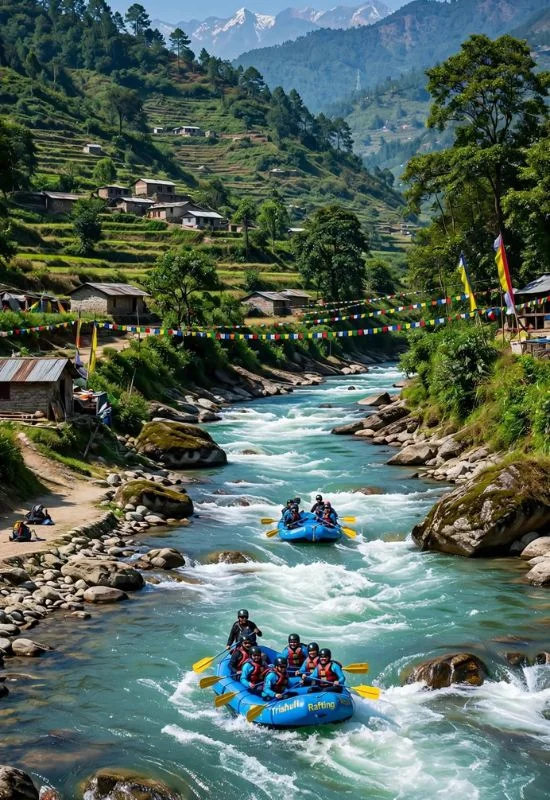
The Trishuli River is one of the most popular destinations for river rafting in Nepal. Its convenient location and variety of rapids make it an excellent choice for travelers with limited time.
Why Raft the Trishuli River?
The river is easily combined with travel between Kathmandu, Pokhara, and Chitwan. The scenery includes green hills, valleys, terraced farmland, and traditional settlements.
The Nepal Tourism Board identifies the Trishuli as Nepal’s most popular rafting river and lists it at approximately Grade 3+, making it a popular option for travelers seeking a relatively accessible whitewater experience.
Best For
- Beginners
- Families
- First-time rafters
- Short rafting trips
- Travelers between Kathmandu and Pokhara
2. Bhote Koshi River
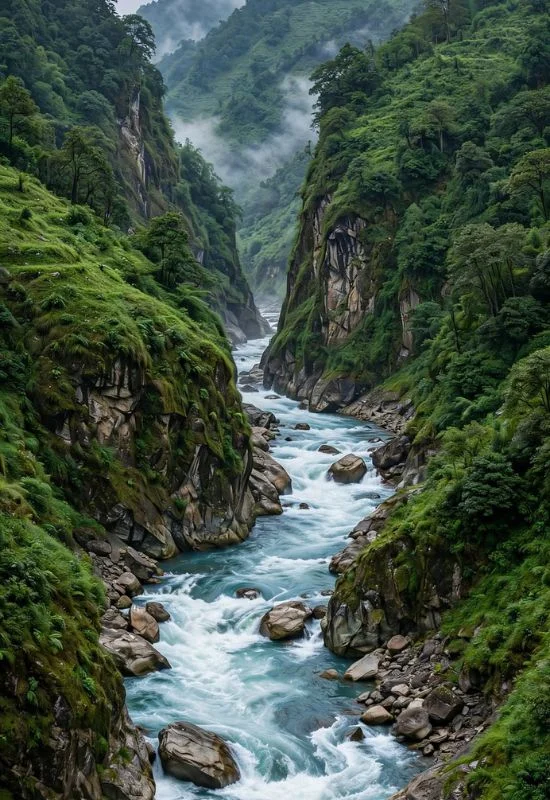
The Bhote Koshi River is famous for fast-moving water and intense rapids.
Located northeast of Kathmandu, the river offers an exciting adventure for travelers looking for a more challenging rafting experience.
A Short but Intense Adventure
The steep Himalayan landscape helps create powerful whitewater conditions. The official Nepal tourism information describes the Bhote Koshi as a popular rafting river flowing through a hilly gorge.
Highlights
- Fast-moving water
- Exciting rapids
- Dramatic gorge scenery
- Short adventure trips
- Convenient access from Kathmandu
Best for: Experienced and adventurous rafters.
3. Sun Koshi River

The Sun Koshi River is one of Nepal’s legendary multi-day rafting adventures.
A full journey can take approximately eight to ten days and covers a long stretch of spectacular river scenery.
An Epic Rafting Expedition
The Nepal Tourism Board lists the Sun Koshi as a Grade 4–5 river extending roughly 270 kilometers, with trips typically requiring eight to ten days.
Why It Is Special
A long Sun Koshi rafting trip can combine:
- Serious whitewater
- Remote landscapes
- Riverbank camping
- Deep valleys
- Traditional communities
- A true wilderness experience
Best for: Experienced rafters and multi-day adventure travelers.
4. Kali Gandaki River

The Kali Gandaki River offers an exciting combination of whitewater rafting and dramatic Himalayan scenery.
It is especially attractive to travelers visiting the Pokhara region.
Rafting Through Incredible Landscapes
The Nepal Tourism Board lists the Kali Gandaki among the popular rafting rivers near Pokhara and describes it as offering plenty of exciting rapids.
What Makes It Memorable?
Travelers can enjoy:
- Mountain scenery
- Deep valleys
- Exciting rapids
- Multi-day rafting
- Beach camping
Best for: Intermediate and experienced rafters.
5. Seti River

The Seti River is a great choice for travelers who want a more relaxed introduction to rafting in Nepal.
Its scenic surroundings and generally gentler sections make it particularly appealing for beginners.
A Scenic River Adventure
The Seti is often chosen by travelers visiting Pokhara who want to combine rafting with other outdoor activities.
The Nepal Tourism Board includes the Seti among the major rafting rivers accessible from Pokhara.
Best Experiences
- Scenic rafting
- Beginner-friendly adventures
- Nature experiences
- Short trips
- Group travel
Best for: Beginners and families.
6. Karnali River

The Karnali River offers one of Nepal’s most impressive wilderness rafting experiences.
Long rafting journeys on this river take travelers through remote regions where nature becomes an important part of the adventure.
A True Wilderness Expedition
The Nepal Tourism Board lists the Karnali as one of Nepal’s more challenging rafting rivers, generally rated around Grade 4–5.
Why Choose the Karnali?
The experience can include:
- Remote landscapes
- Multi-day rafting
- Camping
- Wildlife opportunities
- Powerful whitewater
- Deep wilderness scenery
Best for: Experienced adventurers.
7. Marsyangdi River

The Marsyangdi River is known for demanding rapids and spectacular mountain surroundings.
It is one of the more challenging rafting destinations in Nepal.
A High-Adventure River
The Nepal Tourism Board lists the Marsyangdi as approximately Grade 4–5+, making it more suitable for experienced rafters.
What to Expect
- Technical rapids
- Fast-moving water
- Himalayan landscapes
- Multi-day adventures
- Challenging conditions
Best for: Experienced rafters with strong whitewater skills.
8. Tamur River

The Tamur River provides a remote and adventurous rafting experience in eastern Nepal.
A rafting trip here can combine wilderness, mountain scenery, and challenging rapids.
A Remote Himalayan Adventure
The river is often associated with longer expeditions and can require additional travel to reach the starting point.
Top Highlights
- Remote landscapes
- Long rafting trips
- Himalayan scenery
- Camping adventures
- Challenging whitewater
Best for: Experienced rafters and expedition travelers.
9. Bheri River

The Bheri River offers another opportunity to explore Nepal’s natural landscapes by water.
It can provide a more relaxed rafting experience compared with some of the country’s most extreme whitewater rivers.
Enjoy Nature at a Slower Pace
A Bheri River journey can appeal to travelers interested in scenery, camping, and spending several days away from busy cities.
Great for Travelers Who Enjoy
- Nature
- Camping
- Scenic river travel
- Wildlife opportunities
- Multi-day adventures
Best for: Travelers seeking a quieter rafting experience.
10. Arun River
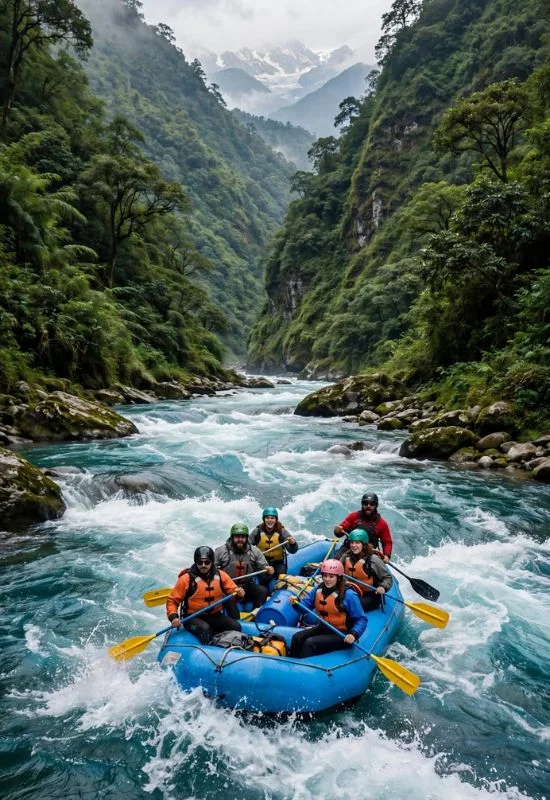
The Arun River is another excellent option for adventure travelers interested in exploring Nepal beyond the country’s most famous rafting routes.
A Less-Crowded Adventure
Remote rivers can provide a stronger feeling of wilderness and exploration.
Reasons to Consider Arun River
- Remote landscapes
- Mountain scenery
- Multi-day expeditions
- Whitewater adventure
- A less-developed tourism experience
Best for: Experienced adventurers looking for something different.
How to Choose the Best River Rafting Trip in Nepal?
Choosing the right river is important because Nepal offers a wide range of whitewater difficulty levels.
Consider Your Experience Level
The Nepal Tourism Board explains that rapids are graded on a scale from one to six depending on their difficulty and intensity.
Good Choices for Beginners
Consider:
- Trishuli River
- Seti River
These rivers can offer a more approachable introduction to rafting, depending on seasonal water conditions and the specific route.
Better Choices for Experienced Rafters
More challenging adventures may include:
- Bhote Koshi
- Marsyangdi
- Karnali
- Sun Koshi
- Tamur
Always confirm current river conditions and trip suitability with a qualified rafting operator before booking.
Best Time for River Rafting in Nepal
Weather and water levels can significantly affect rafting conditions.
The Nepal Tourism Board rafting information identifies the main dry-season rafting periods as approximately October through mid-December and March through early May.
Post-Monsoon Season
After the monsoon, rivers can provide exciting water levels and beautiful green scenery.
Spring Season
Spring is another popular time for rafting and combining river adventures with trekking or sightseeing.
Always Check Current Conditions
River conditions can change because of rainfall, snowmelt, and seasonal weather. The same river can offer very different experiences at different times of the year.
What to Pack for River Rafting in Nepal
Your rafting company may provide important safety equipment, but travelers should prepare appropriately.
Essential Items
Consider bringing:
- Quick-drying clothing
- Secure water shoes or sandals
- Sunscreen
- Towel
- Change of clothes
- Sunglasses with a secure strap
- Reusable water bottle
- Waterproof bag for personal items
For Multi-Day Trips
You may also need:
- Warm clothing for evenings
- Personal toiletries
- Camping essentials
- Flashlight or headlamp
Check with your rafting company before packing because equipment and trip requirements can vary.
Important River Rafting Safety Tips
River rafting is an exciting adventure, but whitewater environments involve real risks.
Choose a Suitable River
Do not select a challenging river simply because it appears exciting.
Choose a trip based on your:
- Experience
- Swimming confidence
- Physical ability
- Comfort with whitewater
- Length of available travel time
Wear Safety Equipment Properly
Follow instructions regarding:
- Helmets
- Personal flotation devices
- Paddles
- Raft positions
Listen to Your Guide
Professional guides provide important instructions about paddling, river hazards, and emergency procedures.
Always listen carefully before and during the trip.
Why Nepal Is a World-Class Rafting Destination
Nepal’s geography creates an extraordinary environment for whitewater adventures.
The combination of Himalayan rivers, steep terrain, deep valleys, and remote wilderness provides an impressive range of rafting opportunities. Trips can range from short adventures to lengthy expeditions, with some journeys also requiring trekking to reach remote river locations.
Travelers can also combine rafting with other Nepal adventures, including:
- Trekking
- Wildlife experiences
- Jungle safaris
- Cultural tours
- Mountain travel
- Camping
Final Thoughts
The best river rafting in Nepal offers much more than an adrenaline rush. It provides an opportunity to experience Himalayan landscapes, rural communities, deep valleys, remote wilderness, and some of the world’s most exciting whitewater.
The Trishuli and Seti rivers are excellent places to start for travelers looking for accessible rafting experiences. More experienced adventurers may prefer the intense rapids of the Bhote Koshi or the longer wilderness expeditions of the Sun Koshi and Karnali.
No matter which destination you choose, proper preparation and selecting a trip suitable for your experience level can help make your Nepal rafting adventure safer and more enjoyable.
FAQs About River Rafting in Nepal
What is the best river for rafting in Nepal?
The Trishuli River is one of the most popular rafting destinations because of its accessibility and variety of rafting options.
Which river is best for beginners?
The Trishuli and Seti rivers are commonly considered good options for less-experienced rafters, depending on the season and route.
What is the most challenging rafting river in Nepal?
Rivers such as the Bhote Koshi and Marsyangdi are known for challenging whitewater conditions and are generally better suited to experienced rafters.
How many days is river rafting in Nepal?
Trips can range from one or two days to much longer expeditions. The Sun Koshi, for example, can take approximately eight to ten days.
What is the best season for rafting in Nepal?
Popular rafting periods generally include October through mid-December and March through early May, although conditions vary by river.
Do I need rafting experience?
Not always. Some rivers and guided trips are suitable for beginners, while challenging rivers require more experience and skill.
What should I wear for rafting?
Quick-drying clothing and secure footwear suitable for water activities are generally recommended. Always follow the specific equipment guidance provided by your rafting operator.