Is Paddleboarding Easy? A Beginner’s Guide to Learning SUP
Paddleboarding has become one of the most popular water activities for people who love fitness, adventure, and spending time outdoors. But if you have never stepped onto a paddleboard before, you may be wondering: Is paddleboarding easy?
The short answer is yes. Paddleboarding is generally easy to learn, especially when you start on calm water with the right board. Like any outdoor activity, balancing and paddling may feel challenging at first, but most beginners can learn the basic techniques during their first session.
In this guide, you will discover why paddleboarding is beginner-friendly, how long it takes to learn, and useful tips for getting started.
Is Paddleboarding Easy for Beginners?
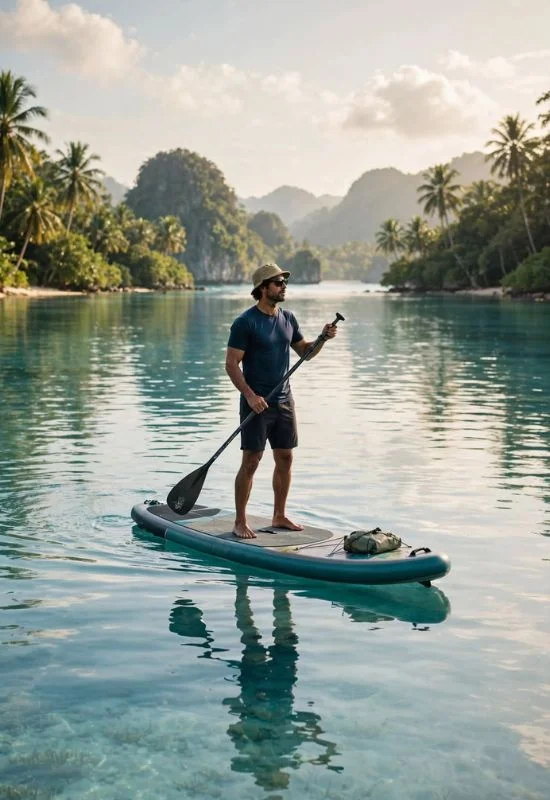
Yes, paddleboarding is relatively easy for beginners. Stand-up paddleboarding, commonly called SUP, does not require complicated equipment or advanced technical skills.
The most important skill is learning how to balance on the board. Beginners usually start by kneeling on the paddleboard and gradually move into a standing position.
Why Paddleboarding Is Easy to Learn
Several factors make paddleboarding a great activity for beginners.
Wide Boards Provide Better Balance
Beginner paddleboards are usually wider and more stable than boards designed for experienced riders. A wider board gives you more space to stand and makes it easier to maintain your balance.
You Can Start Slowly
You do not have to stand immediately. Beginners can begin in a kneeling position and practice paddling before standing up.
Basic Paddling Techniques Are Simple
Learning how to move a paddleboard forward requires a basic paddling motion. Once you understand how to hold and use the paddle, moving through calm water becomes easier.
How Long Does It Take to Learn Paddleboarding?
Most people can learn the basic skills of paddleboarding during their first session.
You may be able to:
- Stand on the board
- Maintain basic balance
- Paddle forward
- Turn the board
- Stop safely
However, becoming confident on different types of water takes more practice.
What Can Make Paddleboarding More Difficult?
Although paddleboarding is easy to learn, some conditions can make it more challenging.
Wind and Waves
Strong winds can push the board and make balancing difficult. Waves can also make the board unstable.
Beginners should start on calm lakes, quiet rivers, or protected coastal areas.
A Narrow Paddleboard
Narrow boards are often faster, but they can be more difficult to balance on. A wider board is usually the better choice for beginners.
Incorrect Paddling Technique
Using the wrong technique can make you tired quickly. Learning basic paddleboarding posture can make the experience much more enjoyable.
Read Next: 10 Jungle Hotel In the World
How to Start Paddleboarding
Starting with the right technique can make learning easier.
1. Begin in Shallow Water
Walk into calm, shallow water and place your paddleboard away from rocks or other obstacles.
Start on Your Knees
Kneeling gives you more stability and allows you to become familiar with the board before standing.
2. Stand Up Slowly
Place your feet where your knees were positioned.
Keep your hands on the board for balance and slowly stand up.
Keep Your Knees Slightly Bent
Do not lock your knees. Slightly bending them helps your body absorb small movements from the water.
3. Look Forward
Many beginners look directly down at their feet, which can make balancing more difficult.
Instead, look toward the horizon or a point ahead of you.
4. Use Slow Paddle Strokes
You do not need to paddle quickly. Start with slow and controlled strokes while learning how the board moves.
Do You Fall While Paddleboarding?
Yes, falling is completely normal when learning how to paddleboard.
Even experienced paddleboarders occasionally fall into the water. The key is to stay relaxed and remember that falling is part of the learning process.
How to Fall Safely
If you lose your balance, try to fall away from the paddleboard rather than directly onto it.
Keep hold of your paddle if possible and use your leash so the board remains nearby.
Wear Appropriate Safety Equipment
Depending on the location and local requirements, safety equipment may include:
- A personal flotation device
- A paddleboard leash
- Sun protection
- Suitable clothing for water conditions
What Is the Best Paddleboard for Beginners?
The best beginner paddleboard is usually wider, longer, and designed for stability.
Look for a board with:
- A wide standing area
- Good stability
- Enough weight capacity
- A comfortable deck pad
- A suitable paddle
Inflatable paddleboards can also be a popular option because they are easy to transport and store.
Is Paddleboarding Good Exercise?
Yes, paddleboarding can provide an excellent full-body workout.
While paddling, you use several muscle groups, including your:
- Core
- Legs
- Shoulders
- Arms
- Back
Your core is particularly important because it helps you maintain balance while standing on the board.
Paddleboarding Can Also Be Relaxing
Not every paddleboarding session needs to be intense. Many people enjoy slowly paddling across calm water while enjoying nature.
This combination of gentle exercise and outdoor relaxation is one reason paddleboarding has become so popular.
Tips to Make Paddleboarding Easier
If you are trying paddleboarding for the first time, these tips can help.
Choose Calm Water
Flat water is much easier for learning than waves or strong currents.
Practice Before Going Far
Stay close to shore until you feel comfortable standing, turning, and stopping.
Keep Your Feet Apart
A wider stance generally provides more stability.
Stay Relaxed
Tension can make balancing harder. Keep your knees slightly bent and allow your body to adjust naturally to the board’s movement.
Take a Lesson
A beginner lesson can help you learn proper paddling techniques and safety basics more quickly.
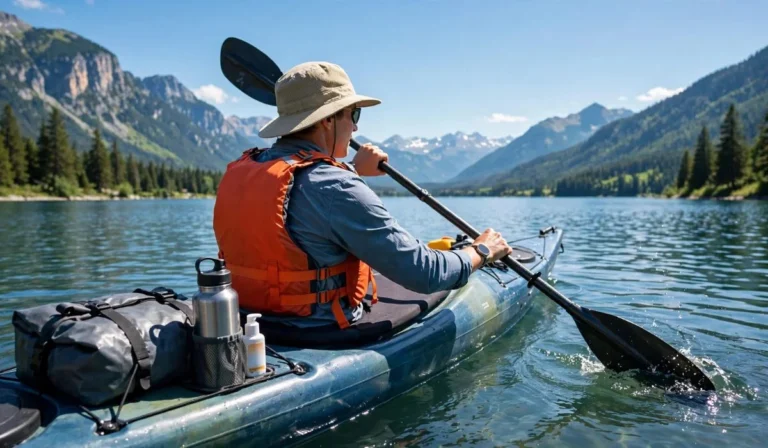
Is Paddleboarding Harder Than Kayaking?
For many beginners, kayaking feels easier at first because you sit in the boat rather than stand.
However, paddleboarding is not necessarily difficult. Once you develop your balance, it can feel very natural.
Paddleboarding requires more balance, while kayaking may require less concern about standing stability.
Both activities are excellent options for enjoying the water.
Final Thoughts: Is Paddleboarding Easy?
So, is paddleboarding easy? For most people, yes.
Paddleboarding is a beginner-friendly activity that does not require advanced experience. With a wide and stable board, calm water, and a little patience, most beginners can learn the basics quickly.
You may fall a few times while learning, but that is completely normal. Start slowly, practice your balance, and choose calm conditions for your first experience.
Before long, you may find yourself confidently exploring lakes, rivers, and coastlines on your paddleboard.
FAQs About Paddleboarding
Is paddleboarding difficult for beginners?
No. Paddleboarding is generally easy for beginners, especially when learning on calm water with a wide and stable board.
How long does it take to learn paddleboarding?
Most people can learn the basic skills during their first paddleboarding session, although improving balance and technique takes practice.
Can you paddleboard if you cannot swim?
You should carefully consider water safety and local guidance before paddleboarding. Wearing appropriate flotation equipment and staying in suitable conditions is important.
What should I wear for paddleboarding?
Wear comfortable clothing suitable for the weather and water temperature. Sun protection is also important during sunny conditions.
Do beginners fall off paddleboards?
Yes. Falling is normal when learning and is part of the experience for many beginners.
What type of water is best for beginner paddleboarding?
Calm lakes, protected bays, and other flat-water environments are usually best for beginners.
Is paddleboarding good exercise?
Yes. Paddleboarding can work your core, legs, arms, shoulders, and back while providing a fun outdoor activity.