20 Roadtrip Essential | Safe, Comfortable & Fun Journey
A successful road trip is about more than choosing a destination and filling the gas tank. The right road trip essentials can make your journey safer, more comfortable, organized, and enjoyable. Whether you’re planning a weekend getaway, a family vacation, or a long cross-country adventure, packing smart can help you handle unexpected situations while keeping everyone entertained.
From emergency supplies and navigation tools to snacks, chargers, and comfortable travel accessories, this guide covers the 20 road trip essentials you should consider before hitting the road.
20 Roadtrip Essential | Safe, Comfortable & Fun Journey:
1. Road Trip Bag or Organizer

Start by keeping your most important items together in an easily accessible bag or organizer.
What to Keep Inside
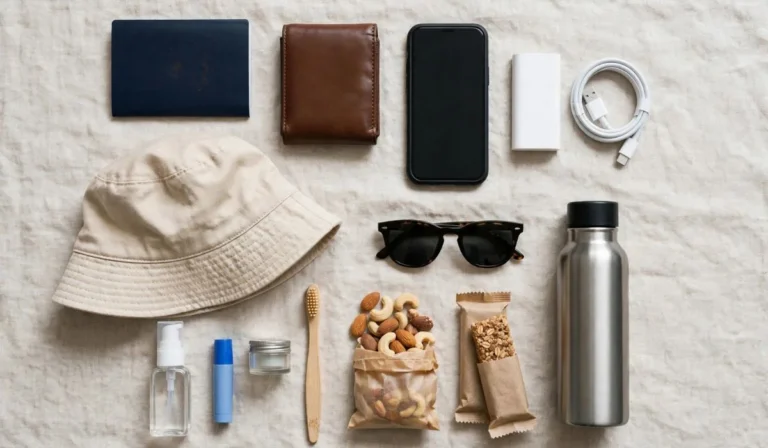
Include your wallet, identification, travel documents, medications, sunglasses, charging cables, and other small necessities.
Keeping these items in one place prevents you from searching through multiple bags during the trip.
2. Phone and Car Charger
A smartphone can be essential for navigation, communication, weather updates, and emergencies.
Bring a Backup Charging Option
Pack a reliable car charger and, if possible, a fully charged power bank. Having a backup source of power is especially useful when traveling through remote areas.
Keep charging cables organized so they don’t become tangled around the center console.
3. Navigation and Offline Maps
GPS navigation makes road trips much easier, but mobile service isn’t guaranteed everywhere.
Download Maps Before Leaving
Save offline maps for your route before starting the journey. This can be particularly useful in rural areas, mountain regions, or places with weak cellular coverage.
A traditional road map can also serve as a useful backup.
4. First-Aid Kit
A basic first-aid kit is one of the most important road trip essentials.
Include Basic Supplies
Consider packing:
- Adhesive bandages
- Gauze
- Antiseptic wipes
- Medical tape
- Tweezers
- Disposable gloves
- Instant cold pack
- Basic first-aid supplies appropriate for your needs
Check the kit before each trip and replace expired or used items.
Read Next: 10 Jungle Resort In USA
5. Emergency Car Kit
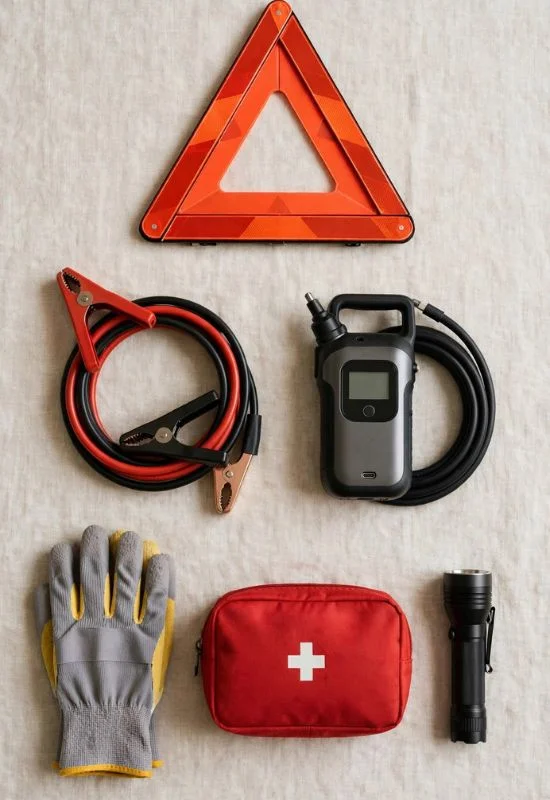
Your vehicle should have basic emergency equipment before you begin a long drive.
Useful Items
A road emergency kit can include:
- Flashlight
- Extra batteries
- Reflective warning equipment
- Jumper cables or a jump starter
- Work gloves
- Basic tools
- Emergency blanket
- Portable tire inflator
The exact equipment should match your vehicle and route.
6. Spare Tire and Tire Repair Supplies
A flat tire can quickly interrupt a road trip.
Check Your Spare Before Departure
Make sure your spare tire is properly inflated and that your vehicle has the necessary jack and lug wrench.
If your vehicle uses a tire repair kit instead of a spare, check that the kit is present and ready to use.
7. Reusable Water Bottles

Staying hydrated is essential during long drives.
Choose Easy-to-Carry Bottles
Reusable bottles can reduce single-use plastic waste and make it easier to keep water available throughout the journey.
Consider using insulated bottles if you want your drinks to remain cool for longer.
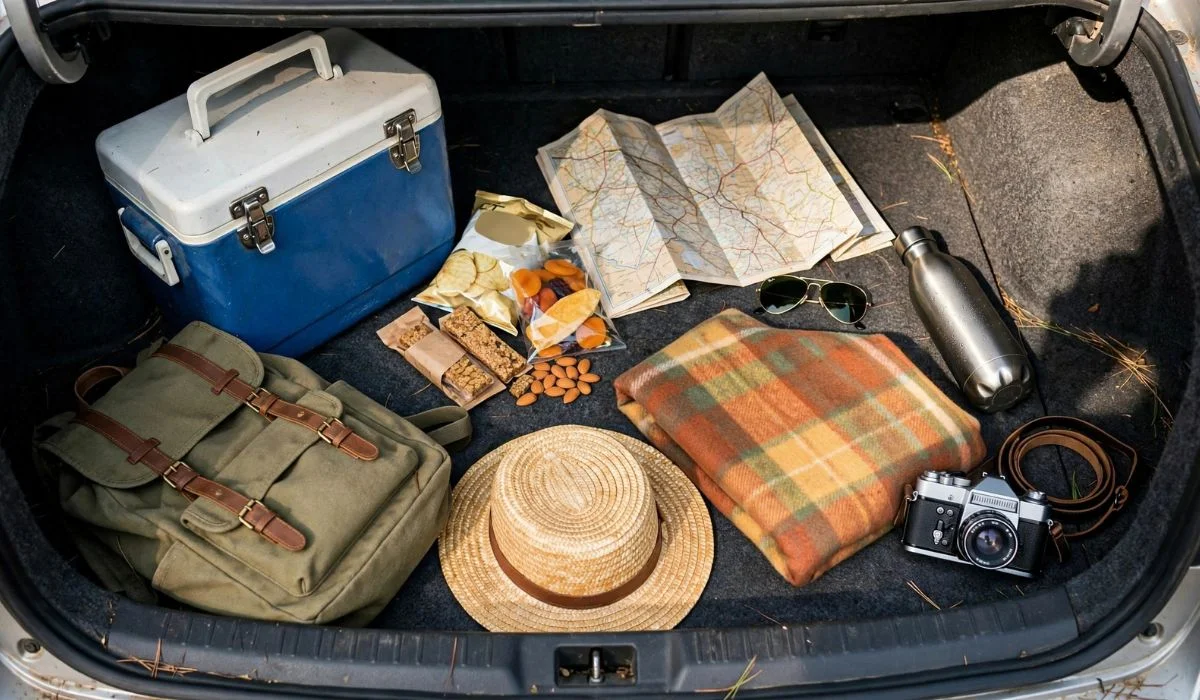
8. Road Trip Snacks

Snacks can save time and money when you’re traveling between towns or rest stops.
Pack a Variety
Good road trip snacks include:
- Nuts
- Crackers
- Granola bars
- Fresh fruit
- Dried fruit
- Sandwiches
- Popcorn
- Cheese
- Pretzels
Use a cooler or insulated food bag for foods that need refrigeration.
9. Cooler
A cooler is especially useful for family road trips and long journeys.
What to Pack
You can use it for:
- Cold water
- Fruit
- Sandwiches
- Yogurt
- Cheese
- Drinks
- Other perishable foods
Keep perishable foods at a safe temperature and follow appropriate food-safety practices.
10. Comfortable Travel Pillow
Long hours in a car can put stress on your neck and shoulders.
Choose a Supportive Pillow
A compact travel pillow can provide additional support during rest breaks or when you’re a passenger.
Avoid using bulky items that interfere with the driver’s visibility or movement.
11. Blanket or Lightweight Travel Throw
A blanket can be useful when the car becomes cool, especially during overnight or early-morning drives.
Extra Comfort
It can also work as a picnic blanket during roadside stops or outdoor breaks.
Choose a lightweight blanket that can be folded into a small bag.
12. Sunglasses
Sun glare can make driving uncomfortable and reduce visibility.
Choose Quality Lenses
Wear sunglasses that provide appropriate UV protection and fit securely.
Keep an extra pair in the vehicle in case your primary pair is lost or damaged.
13. Weather-Appropriate Clothing
Weather can change considerably during a long road trip.
Pack Layers
Consider bringing:
- T-shirts
- Lightweight jacket
- Sweater
- Rain jacket
- Comfortable pants
- Extra socks
Layering allows you to adapt to different temperatures without overpacking.
14. Hand Sanitizer and Cleaning Supplies
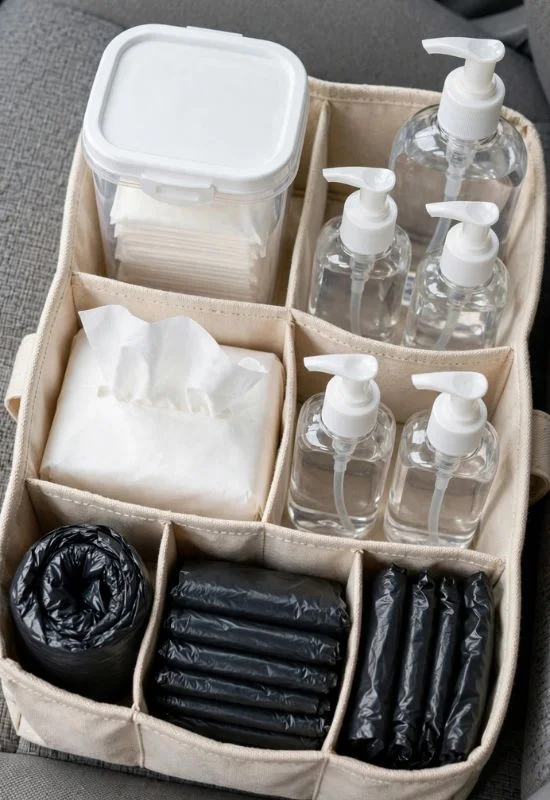
A few basic cleaning supplies can make a vehicle much more comfortable.
Useful Items
Keep these within reach:
- Hand sanitizer
- Disinfecting wipes
- Tissues
- Paper towels
- Small trash bags
A small trash bag can prevent wrappers and other waste from accumulating around the vehicle.
15. Toiletry and Personal Care Kit

A compact personal-care kit is useful on longer journeys.
Consider Packing
- Toothbrush
- Toothpaste
- Deodorant
- Wet wipes
- Lip balm
- Sunscreen
- Hairbrush or comb
- Personal hygiene products
Keep frequently used items in an accessible bag rather than buried inside your luggage.
16. Entertainment
Long drives can become boring, especially for children.
Ideas for Road Trip Entertainment
Bring:
- Downloaded playlists
- Audiobooks
- Podcasts
- Travel games
- Books
- Offline movies or shows
- Headphones
Drivers should avoid using entertainment devices in ways that distract them from the road.
17. Travel Documents and Important Information
Keep important documents organized and easy to access.
What to Check
Depending on your trip, you may need:
- Driver’s license
- Vehicle registration
- Insurance information
- Hotel confirmations
- Tickets
- Reservation details
- Emergency contacts
Digital copies can be useful, but keeping essential information accessible offline is also a smart backup.
18. Cash and Payment Cards
Most modern road trips can be completed using cards or mobile payments, but carrying a small amount of emergency cash can still be useful.
Keep Money Secure
Avoid leaving cash or valuable cards visible inside an unattended vehicle.
Store important financial items securely and only carry what you need.
19. Portable Trash Bags
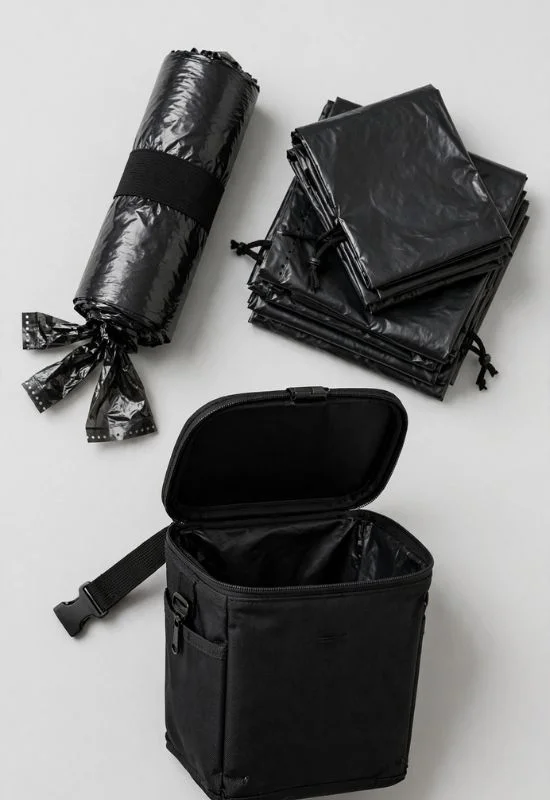
Trash bags are a small item that can make a surprisingly big difference.
Keep the Car Organized
Use one or more small bags for wrappers, tissues, receipts, and other waste.
Dispose of trash properly whenever you stop rather than leaving it in the vehicle for the entire journey.
20. Emergency Contact and Roadside Assistance Information
Before leaving, know who to contact if something goes wrong.
Save Important Numbers
Keep information for:
- Roadside assistance
- Insurance provider
- Emergency contacts
- Accommodation
- Car rental company, if applicable
If you’re traveling through remote areas, tell someone your route and approximate arrival time.
How to Organize Your Road Trip Essentials
Packing everything is not enough. Organization can make your trip much easier.
Keep Frequently Used Items Nearby
Place water, sunglasses, tissues, charging cables, snacks, and navigation equipment where passengers can reach them without creating distractions for the driver.
Store Emergency Supplies Separately
Your first-aid kit, jumper cables, flashlight, tire equipment, and other emergency supplies should be easy to locate.
Do not bury important emergency equipment underneath multiple suitcases.
Use Packing Cubes and Small Organizers
Small organizers can separate electronics, toiletries, documents, snacks, and personal items.
This helps prevent the vehicle from becoming cluttered during a multi-day road trip.
Road Trip Essentials for Families
Family road trips require a few additional considerations.
Pack Plenty of Snacks
Children may become hungry more frequently during long drives. Pack individual snack portions to make distribution easier.
Bring Entertainment
Books, coloring supplies, travel games, headphones, and downloaded content can help keep children occupied.
Pack Extra Clothing
Spills and unexpected messes happen easily with children. Keep at least one complete change of clothing accessible.
Road Trip Essentials for Long-Distance Trips
Long-distance journeys require additional preparation.
Check the Vehicle
Before departure, check:
- Tire pressure
- Engine oil
- Coolant
- Lights
- Windshield washer fluid
- Brakes
- Battery
- Spare tire
If you’re unsure about the condition of your vehicle, have it inspected before leaving.
Plan Fuel Stops
Don’t wait until the fuel gauge is nearly empty, particularly when traveling through remote areas.
Research fuel availability along your route and plan stops accordingly.
Schedule Rest Breaks
Fatigue can seriously affect driving ability. Plan regular breaks and never continue driving when you feel too tired to do so safely.
If possible, share driving responsibilities with another qualified driver.
Road Trip Safety Tips
Check the Weather
Look at the forecast before departure and during the journey. Severe weather can affect roads, visibility, and travel times.
Avoid Distracted Driving
The driver should focus on the road. Passengers can help with navigation, music, snacks, and other tasks.
Don’t Overpack the Vehicle
Keep luggage secure and avoid blocking the driver’s view.
Heavy objects should be positioned so they cannot become dangerous projectiles during sudden braking.
Keep Emergency Supplies Accessible
If you need your flashlight or first-aid kit, you should be able to reach it quickly.
Final Thoughts
The right road trip essentials can turn a stressful journey into a comfortable and enjoyable adventure. Start with safety items such as a first-aid kit, emergency car supplies, tire equipment, water, and important documents. Then add comfort and entertainment items based on the length of your trip and the people traveling with you.
Before you leave, inspect your vehicle, check the weather, plan fuel and rest stops, download navigation information, and make sure everyone knows the basic travel plan.
A well-prepared road trip isn’t about packing everything—it is about bringing the right essentials for safety, comfort, convenience, and fun.
Frequently Asked Questions About Road Trip Essentials
What are the most important road trip essentials?
The most important essentials include a phone charger, navigation tools, water, snacks, first-aid supplies, an emergency car kit, tire equipment, important documents, and weather-appropriate clothing.
What food should I bring on a road trip?
Choose easy-to-eat foods that travel well, such as nuts, granola bars, fruit, sandwiches, crackers, and dried fruit. Use a cooler for foods that require refrigeration.
Should I bring a first-aid kit on a road trip?
Yes. A basic first-aid kit is useful for handling minor injuries and everyday problems while traveling.
What should I keep in my car emergency kit?
A flashlight, batteries, jumper cables or a jump starter, warning equipment, basic tools, work gloves, an emergency blanket, and tire-related equipment are useful starting points.
How can I keep my car organized during a road trip?
Use small organizers, packing cubes, reusable bags, and trash bags. Keep frequently used items within easy reach and store emergency equipment where it can be accessed quickly.
What should I pack for a family road trip?
Families should consider snacks, water, entertainment, extra clothing, hygiene supplies, chargers, blankets, and a first-aid kit.
How do I prepare my car for a long road trip?
Check the tires, spare tire, fluids, lights, brakes, battery, and windshield wipers. If the vehicle needs maintenance, have it serviced before the trip.
How do I stay safe on a long road trip?
Wear your seat belt, avoid distracted driving, take regular breaks, monitor weather conditions, follow local traffic laws, and never drive when you are too tired to do so safely.
Do I need cash on a road trip?
Cards and mobile payments are widely accepted, but carrying a small emergency amount of cash can be useful in places where electronic payment isn’t available.