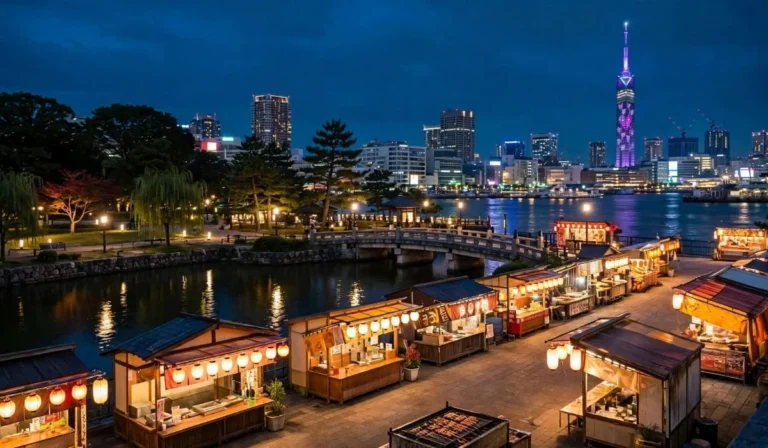
Travel To Tbilisi | Travel Tips and Things to Know
Travel to Tbilisi is an exciting experience for travelers looking for a destination where ancient history, dramatic architecture, mountain scenery, delicious food, and modern creativity come together. Georgia’s capital has a distinctive personality shaped by its location at the crossroads of Europe and Asia.
Tbilisi is not a city that should be explored in a hurry. Its greatest experiences often come from wandering through narrow streets, discovering traditional balconies, relaxing in historic bathhouses, tasting Georgian dishes, and finding viewpoints that reveal the city’s colorful mix of old and new architecture.
This complete travel to Tbilisi guide covers the best time to visit, transportation, major attractions, traditional food, accommodation, local customs, travel costs, safety tips, and useful advice for first-time visitors.
Why Travel to Tbilisi?
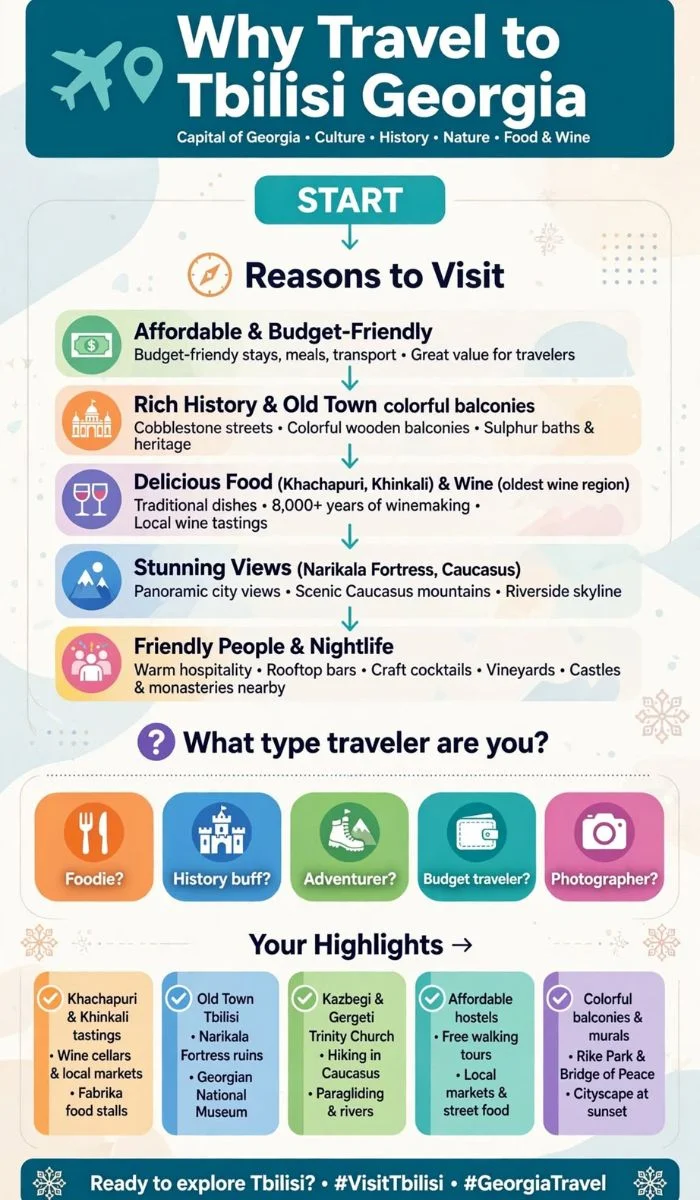
Tbilisi offers a different experience from many major European capitals. The city combines centuries-old churches and fortresses with contemporary cafés, creative neighborhoods, Soviet-era architecture, and modern buildings.
One of the most interesting facts about Tbilisi is its location along historic trade routes connecting different regions and cultures. Over centuries, Georgian, Persian, Russian, European, and other cultural influences have helped shape the city’s architecture, cuisine, and traditions.
Visitors can enjoy:
- Historic Old Town streets
- Traditional Georgian architecture
- Ancient churches
- Hilltop fortresses
- Natural sulfur baths
- Georgian cuisine
- Local markets
- Modern cafés and creative spaces
- Panoramic city viewpoints
- Easy access to mountain and wine regions
A City Best Explored Without a Strict Plan
Tbilisi’s streets are full of unexpected discoveries. A small alley may lead to a historic church, a quiet courtyard, a traditional house, or a modern café.
While planning major attractions is useful, leaving free time for spontaneous exploration is one of the best travel tips for Tbilisi.
Best Time to Travel to Tbilisi:

Tbilisi experiences distinct seasons, and the best time to visit depends on whether you prefer warm weather, outdoor activities, cultural experiences, or fewer crowds.
Spring: March to May
Spring is a beautiful time for travel to Tbilisi. Temperatures gradually become warmer, while parks and surrounding landscapes become greener.
This season is particularly good for:
- Walking tours
- Exploring the Old Town
- Visiting viewpoints
- Outdoor cafés
- Day trips into the countryside
A light jacket can still be useful during cooler mornings and evenings.
Summer: June to August
Summer is warm and can become very hot, particularly during the middle of the day.
Travelers visiting during summer should plan outdoor sightseeing in the morning or evening.
The hottest hours can be used for museums, restaurants, cafés, or relaxing indoors.
Autumn: September to November
Autumn is one of the most popular periods for visiting Tbilisi.
Temperatures can become more comfortable for walking, and the season is also associated with harvest traditions and food experiences in Georgia.
Autumn is an excellent time for travelers interested in combining a city trip with wine-country exploration.
Winter: December to February
Winter brings cooler temperatures, and snow is possible in some nearby mountain areas.
Tbilisi itself can be a rewarding winter destination for travelers who enjoy restaurants, museums, cultural attractions, and a quieter atmosphere.
How to Get to Tbilisi
Most international travelers arrive through Tbilisi International Airport.
The airport is located outside the central city area, and visitors can continue into Tbilisi using public transportation, taxis, or private transfers.
Arrival Tips for First-Time Visitors
Before landing, save:
- Your accommodation address
- Transportation information
- Important phone numbers
- A local map
- Basic Georgian phrases if possible
Having your destination written clearly can make communication easier when arriving in a new city.
Getting Around Tbilisi
Tbilisi is a city where walking is one of the best ways to explore the central historic areas.
However, its hilly geography means that visitors may need to combine walking with public transportation or taxis.
Explore the Old Town on Foot
The Old Town contains narrow streets and small architectural details that are easy to miss when traveling by car.
Wear comfortable shoes because streets can include uneven surfaces and steep sections.
Use the Metro for Longer Journeys
Tbilisi’s Metro can be useful for traveling between neighborhoods and reaching areas farther from the historic center.
Buses and taxis can also be useful depending on your itinerary.
Always check the current transportation system and payment requirements before your trip.
Begin in Tbilisi Old Town
The Old Town is one of the best places to begin your travel to Tbilisi experience.
The area includes traditional buildings, churches, restaurants, cafés, souvenir shops, and narrow streets surrounded by hills.
Slow Down and Explore the Details
Do not try to follow every street on a map.
Choose a general direction and explore naturally.
Look for:
- Traditional balconies
- Historic courtyards
- Small churches
- Local cafés
- Street art
- City viewpoints
The Old Town is particularly enjoyable in the morning before the busiest sightseeing periods.
Visit Narikala Fortress:
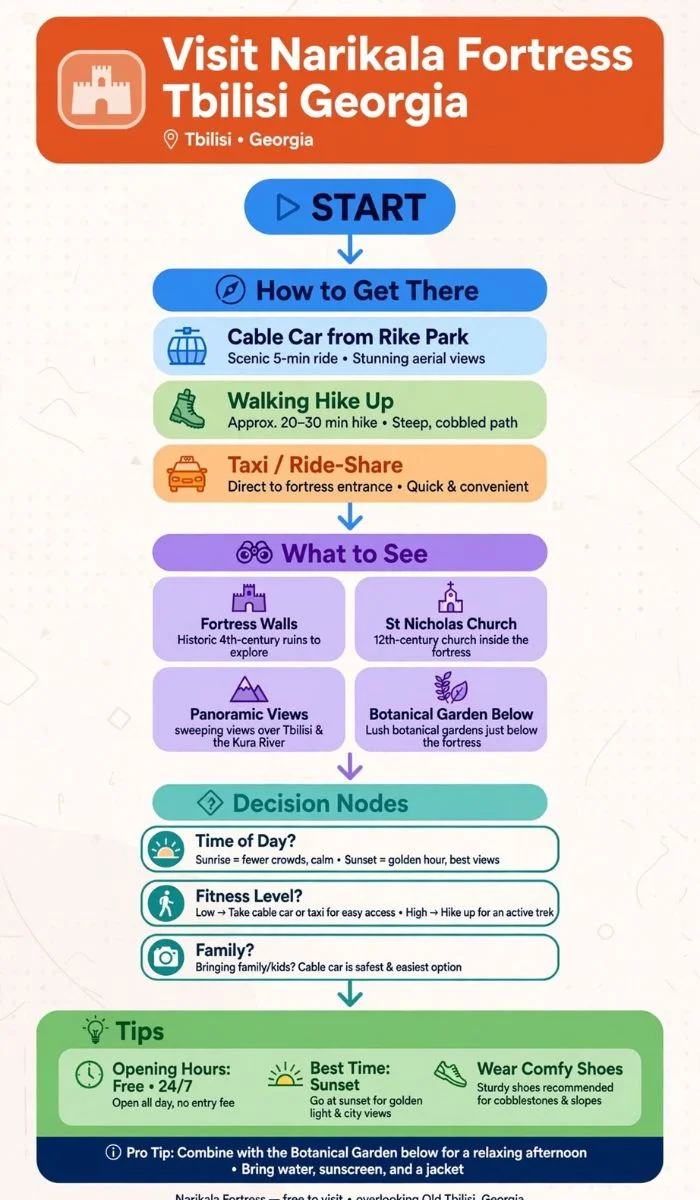
Narikala Fortress sits on a hill above the Old Town and offers panoramic views of Tbilisi.
The fortress has played an important role in the city’s history and remains one of its most recognizable landmarks.
Why the View Is Worth It
From the surrounding hillside, visitors can see the river, historic neighborhoods, modern buildings, and distant landscapes.
Wear suitable shoes because some pathways may be uneven.
Visit during daylight for clear city views or later in the day for sunset.
Ride the Cable Car
A cable car provides an easy and scenic way to travel between the Old Town area and the hill near Narikala Fortress.
The journey itself offers excellent views of the city.
Combine Several Attractions
After reaching the hilltop area, visitors can combine the cable car journey with:
- Narikala Fortress
- Hilltop viewpoints
- Walking trails
- The Mother of Georgia monument
This creates an enjoyable half-day experience without repeatedly traveling between different parts of the city.
Discover the Mother of Georgia
The Mother of Georgia is a large monument overlooking Tbilisi.
It has become one of the city’s recognizable symbols.
The monument and surrounding viewpoint provide another opportunity to see Tbilisi from above.
A Symbolic Viewpoint
The location is particularly rewarding because it combines cultural symbolism with panoramic scenery.
Visit during a clear day for the best photography opportunities.
Experience Tbilisi’s Famous Sulfur Baths
The Abanotubani district is known for its historic sulfur baths.
The bathhouses are connected to one of the stories surrounding the city’s origins and remain an important cultural experience for visitors.
What to Expect
Visitors can choose from different bath experiences, including private rooms depending on availability.
Research the bathhouse, prices, and reservation requirements before visiting.
A bath experience can be especially relaxing after several days of walking around the city’s steep streets.
Read Next: Travel To Edinburgh Scotland | Travel Tips
Visit the Holy Trinity Cathedral
The Holy Trinity Cathedral, also known as Sameba Cathedral, is one of Tbilisi’s most important religious landmarks.
Its large structure can be seen from several viewpoints across the city.
Respect Local Customs
When visiting religious sites, dress respectfully and follow local rules.
Churches are active places of worship, so visitors should behave quietly and respectfully.
Walk Along Rustaveli Avenue
Rustaveli Avenue is one of Tbilisi’s most important central streets.
The area includes cultural institutions, shops, restaurants, theaters, and historic buildings.
Discover Modern City Life
Walking along Rustaveli Avenue provides a different experience from the narrow streets of the Old Town.
It is a good place to understand how historic and modern Tbilisi exist side by side.
Explore the Dry Bridge Market
The Dry Bridge Market is popular with visitors interested in antiques, art, souvenirs, and unusual local items.
The experience can feel like browsing an open-air collection of objects connected to different periods of Georgian history.
Take Your Time When Shopping
Look carefully and compare prices before buying.
Negotiation may be possible in some situations, but always remain polite and respectful.
Try Traditional Georgian Food
Food is one of the biggest highlights of travel to Tbilisi.
Georgian cuisine is known for its generous flavors, fresh herbs, bread, cheese, vegetables, meat dishes, and regional traditions.
Popular dishes to try include:
- Khinkali
- Khachapuri
- Lobio
- Badrijani nigvzit
- Mtsvadi
- Georgian salads
- Traditional soups
How to Eat Khinkali
Khinkali are one of Georgia’s most famous foods.
They are traditionally eaten by holding the top of the dumpling and carefully eating the filling.
Trying them in a local restaurant is a memorable food experience for first-time visitors.
Experience Tbilisi’s Café Culture
Modern Tbilisi has a growing café and creative culture.
Visitors can find traditional tea houses alongside modern coffee shops and design-focused cafés.
Take a Break Between Attractions
The city is not only about sightseeing.
Spend time sitting at a café and observing local life.
A slower schedule often makes Tbilisi more enjoyable than trying to visit every attraction in a short period.
Where to Stay in Tbilisi
The best place to stay depends on whether you want historic surroundings, nightlife, modern facilities, or a quieter local experience.
Old Town
Best for first-time visitors who want to stay close to major historic attractions.
The location is convenient for walking but can be busy in popular areas.
Rustaveli and Central Areas
A practical choice for visitors who want convenient access to restaurants, shops, transportation, and cultural attractions.
Vera and Nearby Neighborhoods
Suitable for travelers interested in cafés, local restaurants, and a more residential atmosphere.
How Many Days Do You Need in Tbilisi?
Three to four days is a good amount of time for first-time visitors.
A longer trip allows you to combine the capital with nearby destinations.
A Three-Day Tbilisi Travel Plan
Day 1:
- Explore Tbilisi Old Town
- Visit the sulfur bath district
- Ride the cable car
- Explore Narikala Fortress
Day 2: - Visit Sameba Cathedral
- Walk along Rustaveli Avenue
- Explore museums or galleries
- Enjoy Georgian food in the evening
Day 3: - Visit the Dry Bridge Market
- Explore local neighborhoods
- Spend time in cafés
- Visit a scenic viewpoint at sunset
Best Day Trips from Tbilisi
Tbilisi is an excellent base for exploring other parts of Georgia.
Mountain scenery, historic towns, monasteries, and wine regions can be reached through day trips or longer journeys.
Explore the Georgian Mountains
Georgia’s mountain landscapes are among the country’s biggest attractions.
A day trip can provide a dramatic contrast to the urban environment of Tbilisi.
Weather and road conditions can change depending on the season, so plan carefully.
Visit Georgia’s Wine Regions
Georgia has a long winemaking tradition, and wine regions outside Tbilisi offer opportunities to experience vineyards, countryside scenery, and regional food.
A guided trip can be useful for travelers who want to learn more about local traditions without worrying about transportation.
Budget Tips for Travel to Tbilisi
Tbilisi can offer good value for travelers, although costs depend on accommodation choices, restaurants, transportation, and activities.
Ways to Save Money
- Stay outside the most expensive tourist streets
- Use public transportation
- Walk between nearby attractions
- Eat at local restaurants
- Visit free viewpoints and public spaces
- Compare prices before booking tours
A carefully planned trip can provide a rich cultural experience without requiring a luxury budget.
Practical Travel Tips for Tbilisi
Preparing a few things before your trip can make travel much easier.
Learn Basic Georgian Greetings
You do not need to speak Georgian to visit Tbilisi, but learning a few greetings can be useful and respectful.
Carry Comfortable Shoes
Tbilisi includes hills, stone streets, and uneven pathways.
Comfortable shoes are essential for travelers planning to explore on foot.
Prepare for Changing Terrain
The city may require more physical walking than travelers expect.
Plan sightseeing by neighborhood to avoid crossing the city repeatedly.
Safety Tips for Tbilisi Travelers
Travelers should follow standard international travel safety practices.
Keep Valuables Secure
Stay aware of your belongings in crowded transportation areas and busy tourist locations.
Use Reliable Transportation
Choose clearly identified transportation options and check prices or payment methods when necessary.
The Best Way to Experience Tbilisi
Tbilisi is not a destination that needs to be rushed.
The city becomes more interesting when travelers allow themselves to get slightly lost among its streets.
After visiting Narikala Fortress or the Old Town, choose a street you have not planned to explore. Stop for coffee, try a local dish, or discover a quiet courtyard.
This balance between planning and spontaneity is one of the best ways to experience the character of Georgia’s capital.
Travel to Tbilisi: Final Thoughts
Travel to Tbilisi offers an unforgettable combination of history, food, architecture, mountain views, and cultural traditions. The city is filled with contrasts, from ancient fortresses and historic churches to modern cafés and creative neighborhoods.
For first-time visitors, the best itinerary includes famous landmarks but does not stop there. Walk through the Old Town, experience the sulfur baths, taste Georgian food, enjoy a city viewpoint, and leave time for unplanned exploration.
Whether Tbilisi is your main destination or the beginning of a longer journey through Georgia, the city offers a warm, memorable, and culturally rich travel experience.
FAQs About Travel to Tbilisi
Is Tbilisi worth visiting?
Yes. Tbilisi is worth visiting for travelers interested in history, architecture, Georgian food, traditional culture, scenic viewpoints, and exploring a city with a distinctive character.
How many days should I spend in Tbilisi?
Three to four days is ideal for first-time visitors who want to explore the main attractions and enjoy the city’s neighborhoods.
What is the best time to visit Tbilisi?
Spring and autumn are popular for comfortable walking and sightseeing, while summer is warmer and winter offers a quieter travel experience.
Is Tbilisi expensive for tourists?
Tbilisi can offer good value compared with many major European capitals, although travel costs depend on accommodation, dining, transportation, and activities.
Can you walk around Tbilisi?
Yes. The Old Town and central areas are enjoyable to explore on foot, although the city’s hills and uneven streets can make some routes challenging.
What is Tbilisi famous for?
Tbilisi is famous for its Old Town, sulfur baths, Narikala Fortress, traditional balconies, Georgian cuisine, hilltop viewpoints, and historic cultural influences.
What food should I try in Tbilisi?
Try khinkali, khachapuri, lobio, eggplant with walnut, grilled dishes, and other traditional Georgian foods.
Is Tbilisi good for first-time visitors to Georgia?
Yes. Tbilisi is an excellent starting point because it offers major cultural attractions, convenient transportation, and access to other regions of Georgia.
What should I pack for Tbilisi?
Pack comfortable walking shoes, weather-appropriate clothing, a light jacket for cooler evenings, and clothing suitable for visiting religious sites.
Is English spoken in Tbilisi?
English is commonly used in many tourist areas, hotels, and modern restaurants, but a translation tool or a few basic Georgian phrases can make travel easier.