Travel To Shanghai | Top Attractions, Travel Tips and Things to Know
Shanghai is a city where futuristic skyscrapers rise beside historic temples, colonial-era streets, peaceful gardens, and lively food markets. For first-time visitors, travel to Shanghai can feel exciting because the city offers many completely different experiences in one destination. You can spend the morning exploring traditional Chinese architecture, enjoy lunch at a local noodle shop, walk along the historic Bund in the afternoon, and finish the evening surrounded by the glowing skyscrapers of Pudong.
This guide covers the most important things to know before traveling to Shanghai, including the best time to visit, transportation, top attractions, food, accommodation, travel costs, cultural tips, and practical advice for planning a smooth trip.
Why Travel to Shanghai?
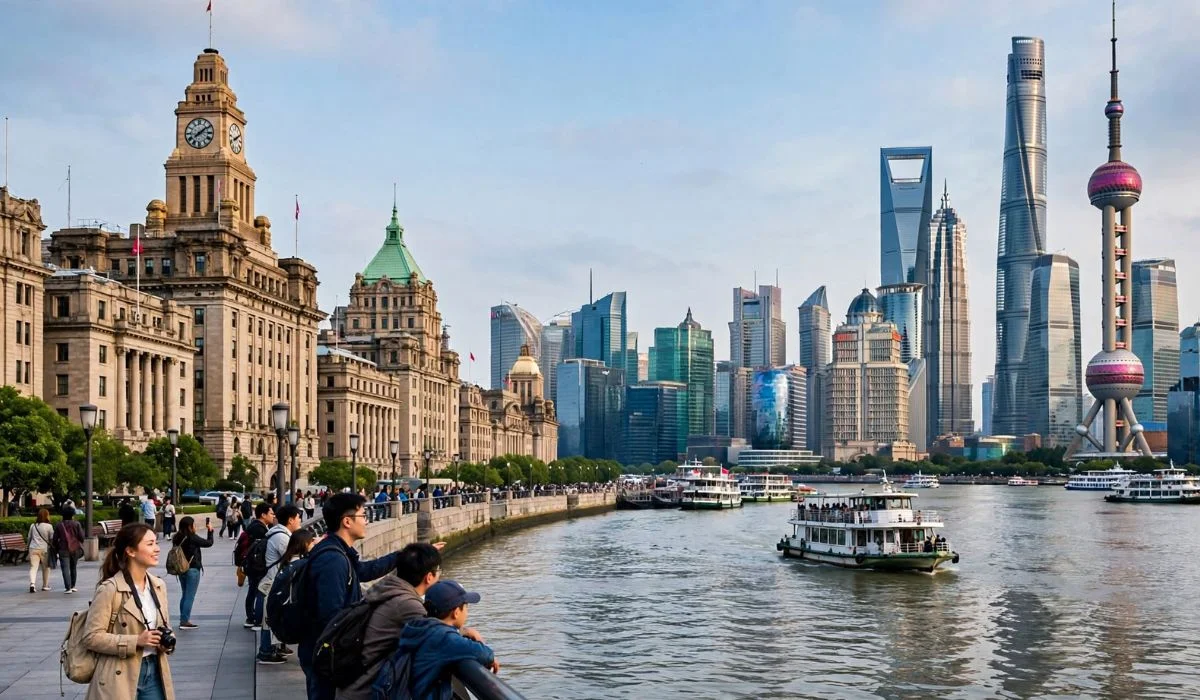
Shanghai is one of China’s most internationally recognized cities and a major destination for travelers interested in culture, architecture, shopping, food, and modern city life.
Unlike destinations that focus on only one type of travel experience, Shanghai combines old and new. Historic neighborhoods such as the Old City reveal traditional Chinese culture, while areas like Lujiazui showcase some of the world’s most recognizable modern skyscrapers.
A City of Contrasts
One of the most interesting facts about Shanghai is how quickly the scenery can change. A short Metro journey can take you from quiet traditional gardens to crowded shopping streets and futuristic financial districts.
Visitors can experience:
- Traditional Chinese gardens and temples
- Historic waterfront architecture
- Modern skyscrapers and observation decks
- Luxury and local shopping
- Famous Chinese cuisine
- Museums and art galleries
- Nightlife and river cruises
- Day trips to nearby water towns
Best Time to Travel to Shanghai:

The best time to travel to Shanghai is generally during spring and autumn when temperatures are usually more comfortable for sightseeing and outdoor activities.
Spring: March to May
Spring is a beautiful season for walking around Shanghai’s parks, gardens, and historic neighborhoods. Temperatures gradually become warmer, making outdoor sightseeing more enjoyable.
Spring is especially suitable for:
- Walking along the Bund
- Visiting Yu Garden
- Exploring Tianzifang
- Spending time in city parks
- Taking day trips outside the city
However, travelers should bring a light jacket because temperatures can change during the day.
Read Next: Travel To Pattaya | Trip Ideas for an Unforgettable
Autumn: September to November
Autumn is another excellent period for travel to Shanghai. The weather is often comfortable, and the cooler temperatures make exploring busy attractions easier.
This is a good season for travelers who plan to spend several hours walking around the city.
Summer: June to August
Shanghai summers can be hot and humid. Rain and occasional storms are also possible.
Summer can still be a good time to visit if you enjoy indoor attractions, shopping, restaurants, museums, and evening sightseeing. Start outdoor activities early in the morning or later in the afternoon to avoid the strongest heat.
Winter: December to February
Winter is generally quieter for tourism, which can make it attractive for travelers who prefer fewer crowds.
Pack warm clothing because temperatures can feel chilly, especially when walking near the waterfront.
How to Get to Shanghai
Shanghai is served by two major airports, making it one of the most accessible destinations in China for international and domestic travelers.
Shanghai Pudong International Airport handles many international flights and is located east of the city. Shanghai Hongqiao International Airport is closer to central Shanghai and is also connected to an important railway hub.
Getting from the Airport to the City
Travelers can usually choose between:
- Metro services
- Airport buses
- Taxis
- Private transfers
- Ride-hailing services where available
The Metro is often one of the most affordable ways to reach central areas, while taxis and private transfers can be more convenient when traveling with large luggage.
Understanding Shanghai Transportation
Shanghai is a large city, but its public transportation system makes it relatively easy to explore major attractions.
The Shanghai Metro is one of the most useful transportation options for visitors. Stations connect many popular neighborhoods, shopping districts, tourist attractions, and transportation hubs.
Why the Metro Is Useful
The Metro can help travelers avoid heavy road traffic and reduce transportation costs.
Before traveling, download an offline map or navigation application that can help you identify stations and routes.
Important travel tips include:
- Avoid rush hour when possible
- Keep your destination name written in Chinese if needed
- Allow extra travel time during busy periods
- Follow station signs carefully
- Keep personal belongings secure in crowded areas
Walking Around Shanghai
Many of Shanghai’s most interesting neighborhoods are best explored on foot.
Areas such as the Bund, French Concession, Tianzifang, and Nanjing Road offer very different walking experiences. Comfortable shoes are essential because sightseeing days can involve long distances.
The Bund: Shanghai’s Most Famous Waterfront
The Bund is one of the most iconic places to visit when traveling to Shanghai. Located along the Huangpu River, the waterfront provides views of both historic buildings and the modern Pudong skyline.
The contrast between the two sides of the river is one of Shanghai’s most recognizable travel experiences.
Best Time to Visit the Bund
Early morning is ideal for travelers who want fewer crowds and peaceful photography opportunities.
Evening is perfect for travelers who want to see the illuminated skyline. The city lights create a completely different atmosphere after sunset.
A simple travel tip is to visit the Bund twice: once during daylight and once at night.
Explore the Pudong Skyline
Across the river from the Bund, Pudong represents Shanghai’s modern identity.
The Lujiazui financial district is known for its impressive skyscrapers and futuristic architecture.
Visitors can explore the area around famous landmarks such as:
- Oriental Pearl Tower
- Shanghai Tower
- Jin Mao Tower
- Shanghai World Financial Center
Visiting an Observation Deck
An observation deck can provide panoramic views of Shanghai’s enormous urban landscape.
Choose a clear day whenever possible because visibility can significantly affect the experience.
Sunset is especially popular because visitors may see the city in daylight before watching the skyline gradually illuminate.
Discover Yu Garden and the Old City
Yu Garden offers a completely different experience from Shanghai’s modern skyline.
The traditional garden features classic Chinese landscaping, decorative buildings, ponds, pathways, and rock formations.
Nearby streets offer restaurants, snacks, tea shops, and souvenir stores.
Travel Tip for Yu Garden
Visit earlier in the day if possible because the surrounding area can become very busy.
Take time to explore beyond the main pathways. Small architectural details and quieter corners often provide a more relaxing experience.
Walk Along Nanjing Road
Nanjing Road is one of Shanghai’s best-known shopping areas.
The street offers a mixture of international brands, department stores, restaurants, entertainment, and busy pedestrian areas.
Even travelers who are not interested in shopping may enjoy visiting because of the atmosphere and energy.
What to Expect
Nanjing Road can be extremely busy, especially during weekends and holidays.
Travelers looking for a calmer experience may prefer to visit during the morning or explore nearby side streets.
Experience Shanghai’s French Concession
The Former French Concession is one of the most atmospheric areas for travelers who enjoy walking, cafés, boutique shopping, and historic architecture.
Tree-lined streets create a different feeling from Shanghai’s major commercial districts.
Best Things to Do in the Area
Spend time exploring without following a strict schedule.
Look for:
- Small cafés
- Local restaurants
- Boutique stores
- Historic streets
- Art spaces
- Traditional lane houses
This neighborhood is particularly enjoyable for slow travelers and photographers.
Visit Tianzifang
Tianzifang is a maze-like area filled with narrow lanes, small shops, cafés, galleries, and restaurants.
The neighborhood is popular with visitors because its narrow streets create a more intimate experience compared with Shanghai’s wide modern avenues.
Tips for Exploring Tianzifang
Expect crowds during popular travel periods.
Instead of rushing through the main lanes, explore smaller pathways where you may discover quieter shops and interesting local architecture.
Try Authentic Shanghai Food
Food is one of the biggest reasons to travel to Shanghai.
Shanghai cuisine is known for a combination of sweet, savory, and rich flavors. The city also offers food from many regions across China.
Popular dishes and foods to try include:
- Xiaolongbao, or soup dumplings
- Shanghai-style noodles
- Braised pork dishes
- Shengjianbao
- Scallion oil noodles
- Local street snacks
How to Enjoy Local Food
Avoid eating only in major tourist areas.
Explore restaurants in residential and business neighborhoods where local workers eat. Small restaurants can sometimes offer more authentic and affordable meals.
If you have dietary restrictions, prepare translated information explaining your needs before traveling.
Visit a Shanghai Museum or Art Gallery
Shanghai has museums and cultural attractions that can provide a deeper understanding of Chinese history, art, and urban development.
Museums are particularly useful on hot summer days or rainy afternoons.
Planning Your Museum Visit
Check opening days and visitor requirements before arriving because schedules and entry systems can change.
Choose one or two museums rather than trying to visit too many in one day. Shanghai is large, and traveling between attractions can take more time than expected.
Take a Huangpu River Cruise
A river cruise can provide one of the easiest ways to see Shanghai’s famous skyline.
The experience is especially popular in the evening when buildings along the waterfront are illuminated.
Is a River Cruise Worth It?
A cruise can be worth considering for first-time visitors because it offers views of both the historic Bund and the modern Pudong skyline.
However, travelers on a tight budget can still enjoy excellent river views by walking along the waterfront.
Explore Jing’an
Jing’an is a convenient neighborhood for travelers who enjoy shopping, restaurants, cafés, and modern city life.
The area also provides access to historic and cultural attractions, creating a balance between traditional and contemporary Shanghai.
Why Stay or Visit Jing’an?
Jing’an is a good choice for travelers who want:
- Convenient Metro connections
- Modern hotels
- Restaurants and cafés
- Shopping opportunities
- Easy access to central attractions
Where to Stay in Shanghai
The best area to stay depends on your travel style and budget.
Shanghai offers everything from luxury international hotels to boutique properties, apartments, and budget accommodation.
The Bund and Huangpu Area
Best for first-time visitors who want to stay close to major attractions and historic landmarks.
Advantages include convenient sightseeing and beautiful river views.
Jing’an
A practical option for travelers who want a central location with modern conveniences.
Former French Concession
Ideal for travelers looking for cafés, historic streets, boutique hotels, and a more relaxed atmosphere.
Pudong
A good choice for business travelers and visitors who want to stay near Shanghai’s famous modern skyline.
How Many Days Do You Need in Shanghai?
Three to five days is a comfortable amount of time for many first-time visitors.
Three days can cover major highlights, while five days allows a slower pace and possible day trips.
A Simple Three-Day Shanghai Itinerary
Day 1:
- Explore the Bund
- Walk around Nanjing Road
- Visit the Pudong skyline
- Enjoy the city at night
Day 2: - Visit Yu Garden
- Explore the Old City
- Walk around Tianzifang
- Explore the French Concession
Day 3: - Visit a museum
- Explore Jing’an
- Try more local food
- Take an evening river cruise or return to the Bund
Best Day Trips from Shanghai
Shanghai is well connected to nearby destinations by train and road, making day trips possible.
Water towns and nearby historic cities can provide a peaceful contrast to Shanghai’s skyscrapers and busy streets.
Visit a Traditional Water Town
Nearby water towns are known for canals, bridges, traditional buildings, and slower-paced scenery.
These destinations can be especially enjoyable for travelers who want to experience a more historic atmosphere after spending several days in the city.
Plan Transportation Carefully
Start early because day trips can involve transportation time.
Check train schedules and return options before leaving Shanghai.
Budget Tips for Travel to Shanghai
Shanghai can be expensive, especially when staying in luxury hotels or eating at high-end restaurants. However, budget travelers can reduce costs through smart planning.
Ways to Save Money
- Use public transportation
- Choose hotels outside the most expensive tourist zones
- Eat at local restaurants
- Explore free waterfront areas
- Walk between nearby attractions
- Book popular attractions in advance when possible
One of the best budget experiences in Shanghai is simply walking. The Bund, historic neighborhoods, parks, and many city streets can be explored without expensive entrance fees.
Internet and Digital Travel Tips
Digital preparation is extremely important when traveling to Shanghai.
Install essential travel applications before departure and make sure your phone can connect to local services.
Useful Preparations Before Your Trip
Consider preparing:
- Offline maps
- Translation tools
- Hotel addresses in Chinese
- Transportation information
- Digital payment options
- Important emergency contact details
Do not assume that every international application or service will work in exactly the same way while traveling.
Cultural Etiquette in Shanghai
Shanghai is an international city, but visitors should still respect local customs and everyday etiquette.
Helpful Etiquette Tips
- Be polite when speaking with service staff
- Respect personal and cultural spaces
- Avoid blocking busy entrances and walkways
- Learn a few basic Mandarin expressions
- Carry a translation tool when necessary
A simple greeting and a respectful attitude can make communication easier even when there is a language barrier.
Important Travel Tips for First-Time Visitors
A successful Shanghai trip usually depends on planning transportation, accommodation, and daily sightseeing realistically.
Do Not Overload Your Itinerary
Shanghai is enormous. Visiting too many attractions in different parts of the city can lead to long travel times and unnecessary exhaustion.
Plan activities by neighborhood whenever possible.
Carry Comfortable Shoes
Walking is one of the best ways to discover Shanghai, so comfortable footwear is essential.
Prepare for Crowds
Major attractions, shopping streets, transportation hubs, and popular restaurants can become very busy.
Visit famous attractions early when possible.
Keep Digital Copies of Important Information
Store copies of travel documents and hotel details securely.
Having important information available digitally can be useful if physical documents are temporarily misplaced.
Safety Tips for Travel to Shanghai
Shanghai is a major international city, but visitors should follow standard travel safety practices.
Stay Aware in Crowded Areas
Keep bags and valuables secure when using busy transportation or visiting crowded attractions.
Use Official Transportation Options
Use clearly identified transportation services and check prices or payment methods before starting a journey.
Keep Your Hotel Information Available
Having your accommodation address saved in both English and Chinese can make returning to your hotel easier.
A Different Way to Experience Shanghai
Instead of trying to see every famous attraction, choose experiences based on your interests.
Food lovers can explore local restaurants and markets. Architecture enthusiasts can compare colonial-era buildings with futuristic skyscrapers. Slow travelers can spend more time in the French Concession and quiet parks.
Shanghai becomes more memorable when you mix famous landmarks with unplanned exploration.
Final Thoughts on Travel to Shanghai
Travel to Shanghai offers an exciting combination of history, culture, food, architecture, and modern city life. From the peaceful paths of Yu Garden to the dramatic skyline of Pudong, the city provides completely different experiences within a short distance.
The best Shanghai itinerary combines major attractions with time to wander. Plan your transportation carefully, choose neighborhoods based on your interests, try local food, and leave room for spontaneous discoveries.
Whether you visit for three days or one week, Shanghai can provide a fascinating introduction to one of Asia’s most dynamic cities.
FAQs
Is Shanghai worth visiting for first-time travelers?
Yes. Shanghai is an excellent destination for first-time visitors because it combines famous landmarks, traditional culture, modern architecture, food, shopping, and efficient public transportation.
How many days are enough for travel to Shanghai?
Three to five days is usually enough to explore the major attractions while also enjoying local neighborhoods and food.
What is the best month to visit Shanghai?
Spring and autumn are generally popular because temperatures are usually more comfortable for sightseeing and walking.
Is Shanghai expensive for tourists?
Shanghai can be expensive, particularly for luxury accommodation and premium dining, but budget travelers can reduce costs by using the Metro, eating locally, and choosing affordable hotels.
Can tourists get around Shanghai without speaking Mandarin?
Yes, but a translation application and saved addresses in Chinese can make transportation and communication much easier.
What food should I try in Shanghai?
Popular choices include xiaolongbao, shengjianbao, Shanghai-style noodles, scallion oil noodles, and other local Chinese dishes.
Is the Shanghai Metro easy for tourists?
The Metro is one of the most convenient ways to travel around the city. Learning basic routes before sightseeing can make the experience much easier.
Should I visit the Bund during the day or at night?
Both are worthwhile. Daytime provides clearer architectural views, while nighttime offers spectacular views of Shanghai’s illuminated skyline.
What should I pack for Shanghai?
Pack comfortable walking shoes, weather-appropriate clothing, a light jacket for cooler periods, travel documents, digital payment access, and essential phone applications.
What makes Shanghai different from other Chinese destinations?
Shanghai stands out because of its combination of historic Chinese neighborhoods, colonial-era architecture, international culture, modern skyscrapers, and fast-paced urban life.