20 White Water Rafting Tips | Gear & Safety Guide
White water rafting is an exciting outdoor adventure that combines teamwork, fast-moving water, and unforgettable scenery. Whether you’re planning your first rafting trip or looking for a more adventurous way to explore rivers, knowing what to bring and how to prepare can make the experience more enjoyable.
From helmets and life jackets to quick-drying clothes and water shoes, the right white water rafting gear helps you stay comfortable and prepared on the river. Your exact equipment needs will depend on the rafting company, river conditions, weather, and difficulty level, but a few essentials are useful for almost every trip.
What Is White Water Rafting?
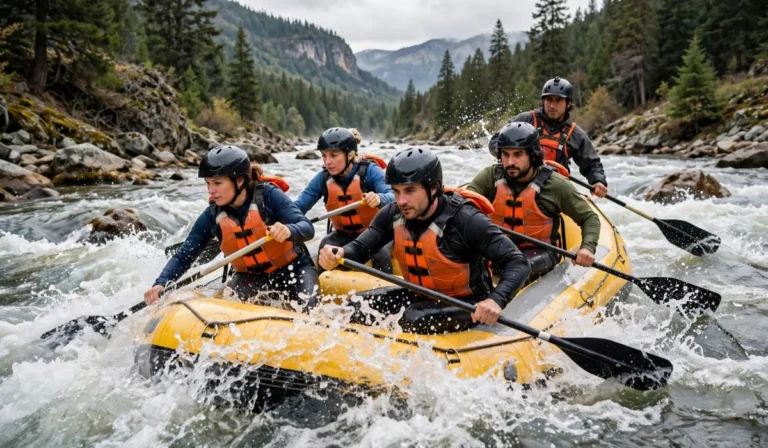
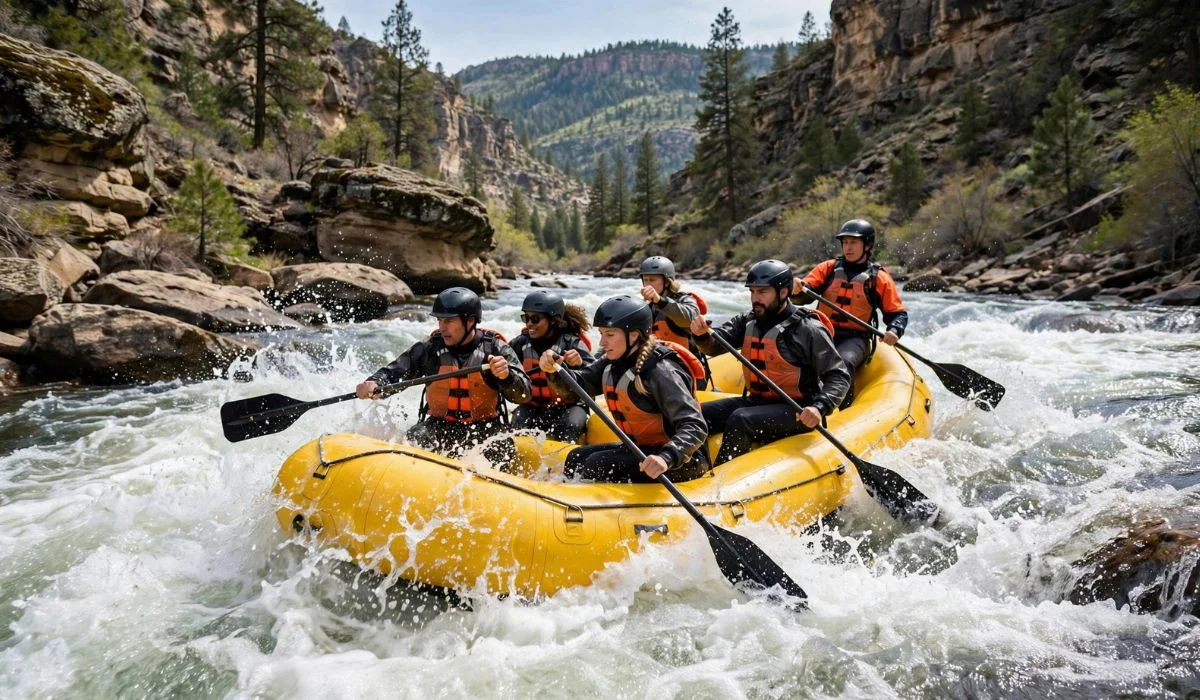
White water rafting is a recreational activity where a group travels down a river in an inflatable raft, navigating moving water, waves, rocks, and rapids.
Why Is It So Popular?
The combination of adventure and nature makes rafting appealing to beginners and experienced outdoor enthusiasts alike. You get the excitement of navigating rapids while enjoying landscapes that may be difficult to reach by road.
Rafting can also be a social experience because everyone in the boat usually works together to follow the guide’s instructions and paddle effectively.
20 White Water Rafting Tips | Gear & Safety Guide:
1. Personal Flotation Device
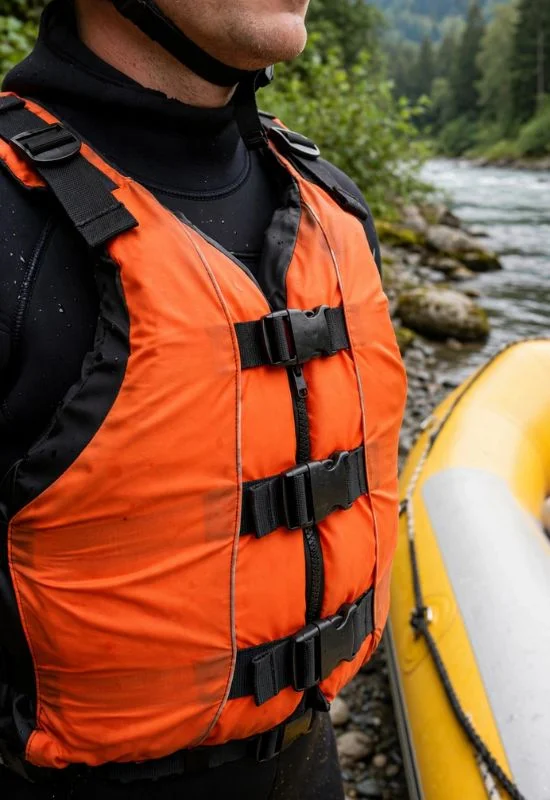
A personal flotation device, commonly called a life jacket, is one of the most important pieces of white water rafting equipment.
Choose the Right Fit
Your rafting operator will typically provide an appropriate flotation device. It should fit securely and be suitable for your size and the river conditions. Always wear it as instructed throughout the trip.
2. White Water Rafting Helmet
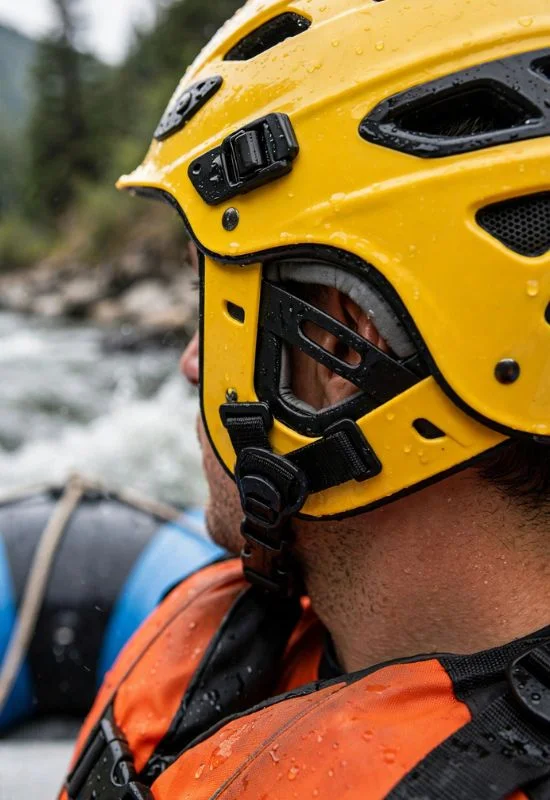
A helmet provides protection from accidental impacts while navigating rapids and rocky sections.
Make Sure It Fits Properly
Your guide or outfitter should help you select and adjust your helmet. It should feel secure without being painfully tight or loose enough to shift around.
3. Quick-Drying Clothing

Traditional cotton clothing can stay wet for a long time, which may become uncomfortable during a rafting trip.
Choose Practical Fabrics
Synthetic or other quick-drying materials are often more suitable. Wear clothing that allows you to move comfortably while paddling and climbing in and out of the raft.
4. Water Shoes
Proper footwear can improve comfort and traction during a rafting adventure.
Look for Secure Footwear
Choose shoes that stay attached to your feet and can handle getting wet. Avoid loose sandals or footwear that could easily come off in moving water.
5. Swimsuit or Athletic Base Layer

A swimsuit or comfortable athletic layer can work well underneath your rafting clothes.
Dress for the Conditions
Your clothing should reflect the water temperature and weather. In colder environments, your outfitter may recommend additional protective layers or specialized gear.
6. Wetsuit
A wetsuit may be useful when water temperatures are particularly cold.
Follow the Outfitter’s Advice
Don’t assume you need to purchase one before your trip. Many rafting operators provide or rent wetsuits when conditions require them.
7. Waterproof Dry Bag
A dry bag can protect small personal belongings from splashes and spray.
Pack Only What You Need
Depending on the rafting company, you may be able to bring a small dry bag containing essentials such as a phone, keys, or medication. Ask the operator about storage options before bringing valuables onto the raft.
8. Waterproof Phone Case
A waterproof phone case can help protect your phone from water during the trip.
Don’t Let It Distract You
If you bring your phone, keep it secure. Following the guide’s instructions and maintaining awareness should always be more important than taking photographs.
9. Sunscreen
Even when you’re surrounded by water, your skin can still receive significant sun exposure.
Choose Water-Resistant Protection
Apply sunscreen before the trip and reapply according to the product instructions, particularly after extended exposure to water.
10. Sunglasses
Sunglasses can make bright conditions more comfortable, especially on sunny rivers.
Secure Them Properly
Use a retaining strap so your sunglasses don’t easily fall into the river. Avoid bringing expensive or irreplaceable eyewear.
11. Hat
A lightweight hat can provide additional protection from the sun.
Pick a Secure Style
Choose a hat that fits comfortably and can be secured if necessary. A wide-brimmed style can offer more coverage, while a lightweight cap may be easier to manage during active rafting.
12. Water Bottle
Staying hydrated is important before and after your rafting adventure.
Use a Secure Bottle
A reusable bottle is a practical choice. Depending on the outfitter’s rules, you may not be able to keep loose items inside the raft, so ask where water can be stored.
13. Towel
A towel is one of the simplest items to remember after spending time on the river.
Pack It for the End of the Trip
Keep a dry towel with your post-rafting clothes so you can dry off and change comfortably after returning to shore.
14. Change of Clothes
A complete change of clothes can make the trip home much more comfortable.
Pack an Extra Layer
Include underwear, socks, a shirt, and comfortable pants or shorts. Store them somewhere dry, such as inside a sealed waterproof bag.
Read Next: 25 Bungee Jumping Tips
15. Waterproof Watch
A waterproof watch can be useful if you want to keep track of time without taking out your phone.
Keep It Simple
You don’t need an expensive adventure watch for a basic rafting trip. A secure, water-resistant watch is usually enough if timing matters.
16. Small First-Aid Supplies
Your rafting operator should have appropriate safety equipment and emergency procedures, but a few personal first-aid items can still be useful before and after the trip.
Pack Personal Essentials
If you have personal items you regularly need, keep them in a waterproof container or bag. Follow your outfitter’s instructions about what can be taken on the raft.
17. Water and Snacks for Before or After
Rafting can be physically demanding, so having food and water available before or after your trip is useful.
Choose Easy Options
Pack convenient snacks such as fruit, granola bars, sandwiches, or trail mix. Keep perishable foods properly chilled when necessary.
18. Waterproof Camera
If photography is allowed, a waterproof action camera can capture memorable moments on the river.
Prioritize Safety
Secure the camera with appropriate equipment and follow the rafting company’s rules. Avoid holding cameras or other loose objects during challenging sections of the river.
19. Identification and Emergency Information
Keep your identification and important emergency information secure.
Protect Important Documents
Don’t carry unnecessary valuables onto the raft. Store important documents in a secure location according to the outfitter’s instructions.
20. A Positive Attitude
One of the most important things to bring on a rafting trip can’t be packed into a bag: a willingness to listen, learn, and enjoy the adventure.
Be Ready to Work as a Team
Pay attention to your guide, follow paddle commands, stay aware of your surroundings, and communicate with the people around you. Teamwork is an important part of the rafting experience.
How to Prepare for White Water Rafting?
Preparation starts before you reach the river. Understanding the trip details can help you choose appropriate clothing and equipment.
Check the River and Weather Conditions
Ask your rafting operator about the expected weather, water temperature, river difficulty, trip duration, and equipment provided. These details can significantly affect what you need to bring.
Follow the Outfitter’s Instructions
Different rafting companies have different policies about personal belongings, footwear, cameras, food, and clothing. Their instructions should take priority over a general packing list.
What to Wear for White Water Rafting
Choosing appropriate clothing can make a big difference in your comfort.
Warm Weather Rafting
In warmer conditions, you may be comfortable wearing quick-drying athletic clothing or swimwear with suitable footwear. Protect exposed skin from the sun.
Cold Weather Rafting
Cold water requires more careful preparation. Depending on conditions, your outfitter may recommend a wetsuit, insulating layers, or other specialized equipment.
White Water Rafting Safety Tips:
Rafting is an adventure sport, so preparation and following safety instructions are essential.
Listen to Your Guide
Your guide knows the river, route, and expected conditions. Pay close attention to instructions before entering the water and throughout the trip.
Wear Your Safety Equipment
Keep your personal flotation device and helmet properly secured whenever instructed. Don’t remove safety equipment simply because the water appears calm.
Know Your Limits
Choose a rafting trip that matches your experience and comfort level. Beginners should generally start with an appropriate guided trip rather than attempting challenging rapids independently.
How Difficult Is White Water Rafting?
White water rivers are commonly categorized into different difficulty levels, ranging from relatively easy moving water to extremely challenging rapids.
Start With a Suitable Level
If you’re new to rafting, look for an experience designed for beginners. Your age, swimming ability, physical condition, and comfort around moving water can also influence which trip is appropriate.
The rafting company should provide specific information about the route and its requirements.
What to Leave at Home
Not everything belongs on a rafting trip. Valuables and fragile belongings can easily become damaged or lost around water.
Avoid Bringing Unnecessary Valuables
Leave expensive jewelry, important electronics, irreplaceable items, and anything you wouldn’t want to get wet somewhere secure.
White Water Rafting Packing Checklist:
Before heading to the river, consider preparing:
- Personal flotation device
- Helmet
- Quick-drying clothing
- Water shoes
- Swimsuit or athletic base layer
- Wetsuit when required
- Waterproof dry bag
- Waterproof phone case
- Sunscreen
- Sunglasses with a secure strap
- Hat
- Water bottle
- Towel
- Change of clothes
- Waterproof watch
- Personal first-aid supplies
- Snacks and water
- Waterproof camera
- Identification and emergency information
- A positive attitude
Final Thoughts:
White water rafting can turn an ordinary outdoor trip into an unforgettable adventure. The combination of rushing water, scenic surroundings, teamwork, and excitement makes it an experience worth preparing for.
The most important part of your preparation is understanding the specific conditions of your trip. Ask the rafting operator what equipment is provided, what clothing is recommended, and what personal items you’re allowed to bring.
Pack smart, wear the appropriate safety equipment, listen carefully to your guide, and choose a rafting experience that matches your abilities. Once you’re prepared, you can focus less on what could go wrong and more on enjoying the river.
FAQs:
Is white water rafting safe for beginners?
Guided white water rafting can be suitable for beginners when you choose an appropriate route and follow the outfitter’s safety instructions. Always check the trip’s difficulty level and requirements before booking.
What should I wear for white water rafting?
Quick-drying clothing, a swimsuit or athletic base layer, and secure water shoes are common choices. For colder water, your outfitter may recommend a wetsuit or additional protective layers.
Do I need to bring my own helmet and life jacket?
Usually, rafting companies provide essential safety equipment such as helmets and personal flotation devices. Check with your specific outfitter before your trip.
Can I bring my phone while white water rafting?
Some rafting companies allow phones in waterproof cases or dry bags, while others may have restrictions. Ask your outfitter before bringing your phone onto the raft.
Do you get completely wet while white water rafting?
You should generally expect to get wet. Splashing, waves, and river water are part of the experience, so wearing quick-drying clothing and appropriate footwear is recommended.
Do I need to know how to swim to go white water rafting?
Swimming requirements vary by trip and operator. Some rafting experiences may require participants to have basic swimming ability. Always check the specific requirements before booking.
What shoes are best for white water rafting?
Secure water shoes or other footwear designed to stay firmly on your feet are generally preferable. Avoid loose footwear that could easily fall off in moving water.
What should I not bring white water rafting?
Avoid unnecessary valuables, fragile electronics, expensive jewelry, and loose items that could be lost or damaged in the water. Follow your rafting company’s rules about personal belongings.
How long does a white water rafting trip last?
Trip lengths vary widely depending on the river, route, outfitter, and package. Some experiences take a few hours, while others can last most of a day or longer.
What is the best age for white water rafting?
Age requirements vary by rafting company, river, and difficulty level. Always check the minimum age and other participation requirements for the specific trip you are considering.