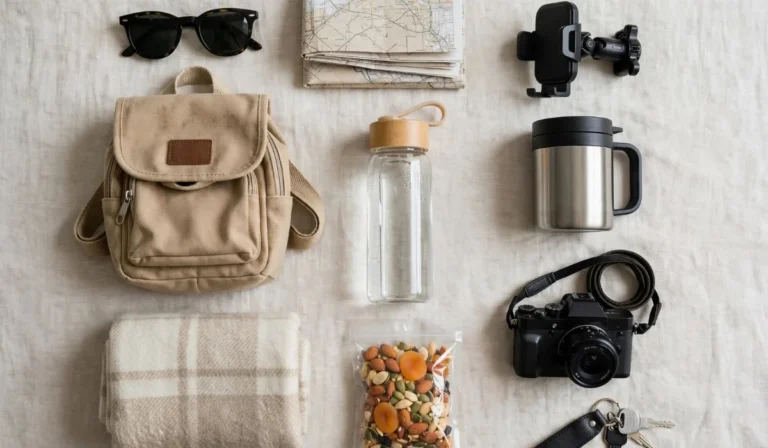
What To Take On A Plane | Essential Items for Every Flight
Knowing what to take on a plane can make your journey more comfortable, organized, and stress-free. Whether you’re taking a short domestic flight, heading abroad for vacation, or preparing for a long-haul journey, packing the right items in your carry-on can make a big difference.
The key is to focus on essentials you may need during the flight or immediately after landing. Important travel documents, electronics, medications, personal comfort items, snacks, and a few emergency essentials should be easy to access.
This guide covers the most useful things to take on a plane, along with practical packing tips to help you avoid carrying unnecessary items.
15 Essential Items for Every Flight:
1. Travel Documents and Important Essentials
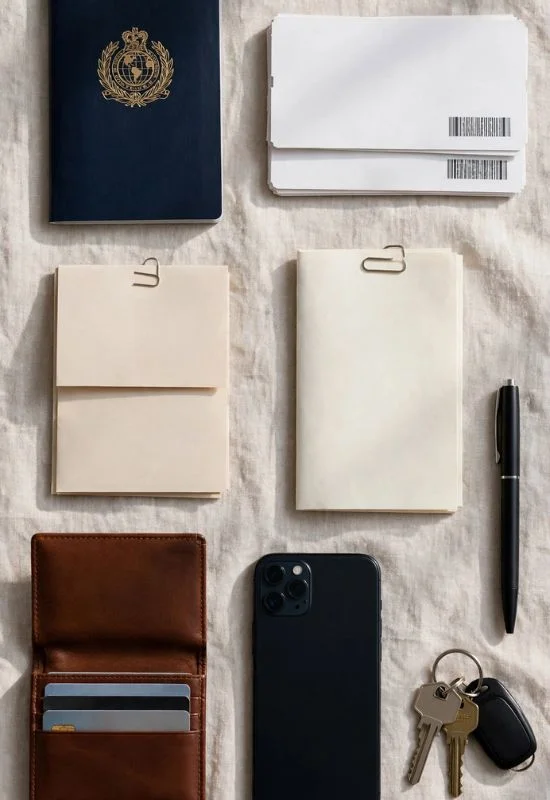
Your travel documents should always be among the first things you pack. Keep them in your personal bag rather than your checked luggage so they’re available whenever you need them.
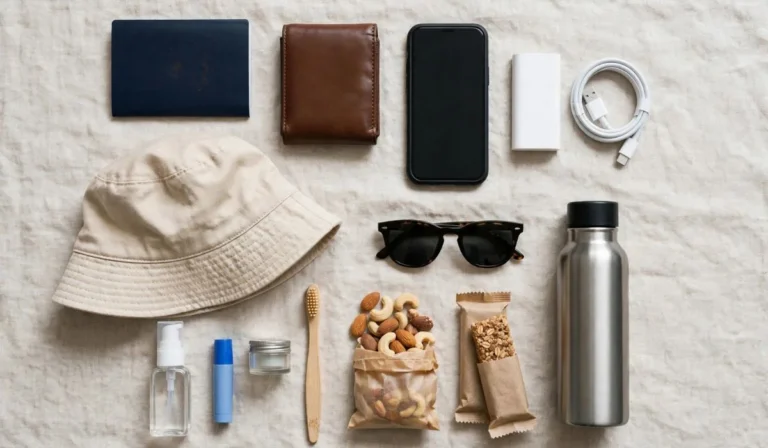
Passport or Government-Issued ID
For international travel, you’ll generally need your passport. Domestic travelers may need a government-issued photo ID depending on the country and airline.
Check that your identification is valid before leaving home. For international trips, also make sure your passport meets your destination’s entry requirements.
Boarding Pass and Travel Information
Keep your boarding pass accessible on your phone or as a printed copy. It can also be useful to save your flight confirmation, accommodation details, and transportation information offline.
A small travel wallet or document organizer can keep everything together.
2. Phone, Charger, and Essential Electronics
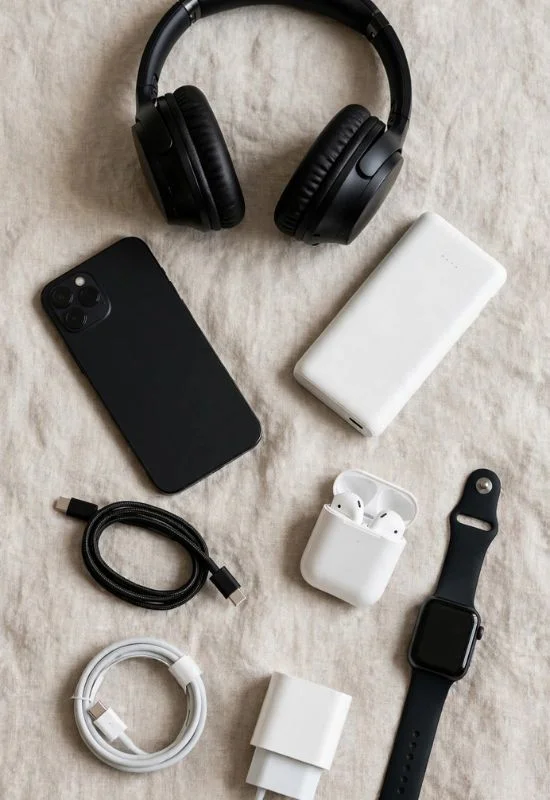
Your phone can serve as a boarding pass, camera, entertainment device, map, communication tool, and travel information hub. Make sure it is charged before heading to the airport.
Portable Charger or Power Bank
A power bank can be particularly useful during long journeys or when airport charging stations are busy. Keep it in your carry-on rather than checked luggage, and check your airline’s rules regarding battery capacity.
Charging Cable and Adapter
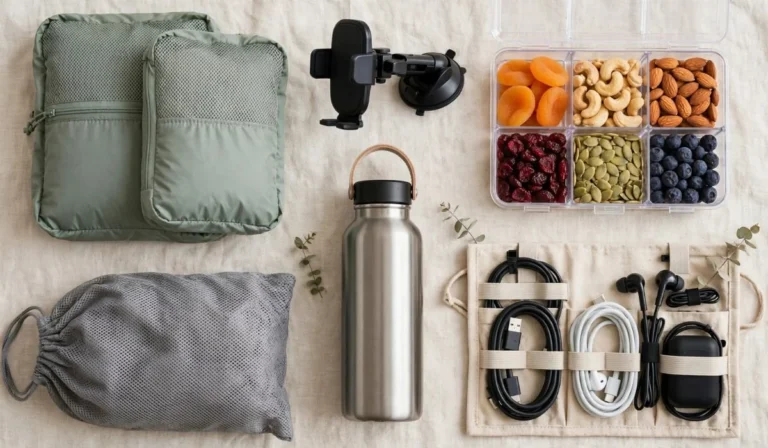
Pack the cable your devices use and consider bringing a universal travel adapter if you’re traveling internationally. Keeping your charging accessories together in a small pouch prevents them from getting lost in your bag.
Headphones or Earbuds
Noise-canceling headphones can make a noticeable difference on a busy flight. They’re useful for music, podcasts, movies, or simply reducing background noise.
3. Medications and Health Essentials
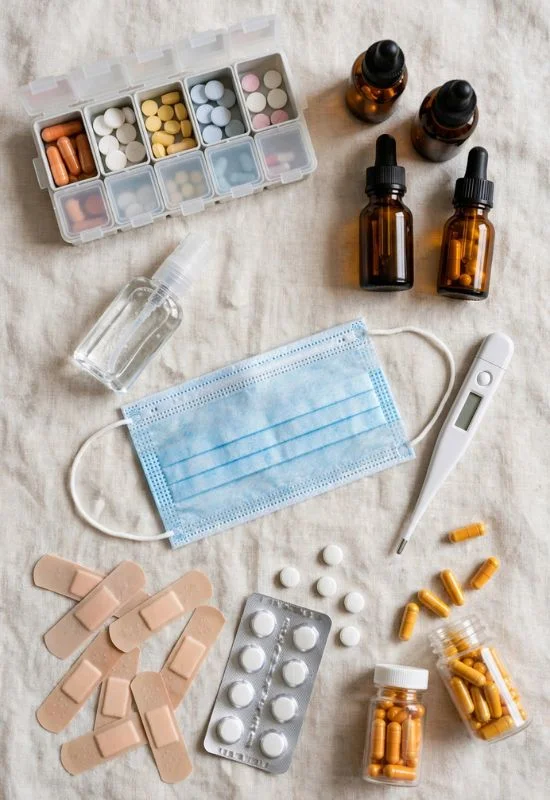
Medications are among the most important things to keep in your carry-on. Never rely on checked baggage for essential medication because checked bags can be delayed or misplaced.
Prescription Medication
Bring enough medication for your trip and, when appropriate, keep it in its original packaging. If you travel internationally, check the rules for bringing specific medications into your destination country.
Basic Personal Care Items
A few simple items can make the journey more comfortable, such as:
- Hand sanitizer
- Tissues
- Lip balm
- Moisturizer
- Prescription glasses
- Contact lens supplies
- Any personal hygiene products you regularly need
For liquids, gels, and creams, follow the applicable airport security rules.
4. Comfortable Clothing for the Flight

You don’t necessarily need a separate travel outfit, but comfortable clothing can make sitting for several hours much easier.
Light Jacket or Sweater
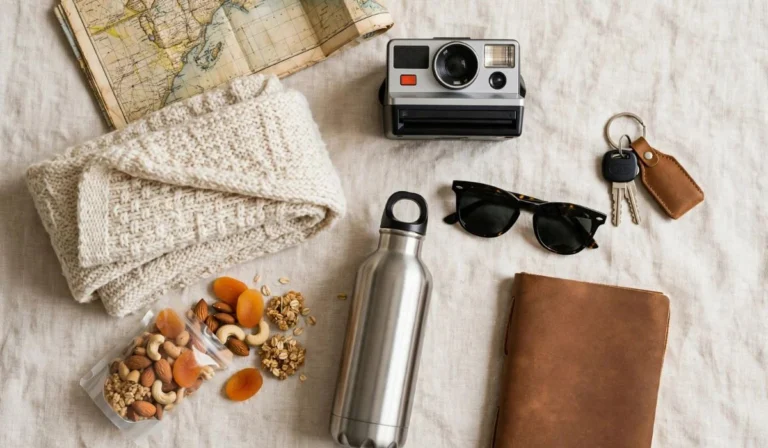
Airplane cabins can feel cool, even when the weather outside is warm. A lightweight sweater, cardigan, or jacket is easy to carry and useful during the flight.
Extra Socks
A clean pair of socks can be surprisingly helpful on a long journey. They take up little space and can make you feel more comfortable during an extended flight.
Change of Clothes
For long-haul travel or trips involving checked luggage, consider carrying a basic change of clothes. If your checked suitcase is delayed, you’ll have something fresh to wear when you arrive.
5. Snacks and Drinks

Airlines may provide food and drinks, but having a few suitable snacks gives you more control over what and when you eat.
Easy-to-Pack Snacks
Consider options such as:
- Granola bars
- Crackers
- Nuts, where permitted
- Dried fruit
- Sandwiches
- Biscuits
- Protein bars
Avoid messy foods or anything with a strong smell that could be inconvenient in a confined cabin.
Reusable Water Bottle
A reusable water bottle is useful for staying hydrated throughout your journey. To pass through airport security, empty it before screening and refill it afterward where facilities are available.
6. Entertainment for the Flight
A little preparation can make a long flight feel much shorter.
Downloaded Movies, Music, or Podcasts
Don’t assume you’ll have reliable internet access in the air. Download entertainment before leaving home so you can access it without Wi-Fi.
Books and E-Readers
A paperback book, magazine, or e-reader is another easy way to spend time during a flight. An e-reader is particularly convenient if you want several books without carrying extra weight.
Travel Games or a Notebook
For travelers who prefer screen-free entertainment, a small notebook, puzzle book, or compact travel game can be a good alternative.
7. Comfort Items for Long Flights
Long flights can become tiring, especially when you’re sitting in one position for several hours. A few compact comfort items can improve the experience.
Neck Pillow
A supportive travel pillow can make it easier to rest while sitting upright. Choose one that is compact enough to attach to your personal bag or store easily.
Eye Mask
An eye mask can help block cabin lights when you’re trying to sleep or rest.
Earplugs
Earplugs are inexpensive, lightweight, and useful if you want some quiet without wearing headphones.
8. Toiletries and Personal Hygiene Products
A small toiletry kit can help you feel refreshed after a long journey.
Basic Toiletry Kit
Depending on your needs, consider packing:
- Toothbrush and toothpaste
- Deodorant
- Face wipes
- Comb or brush
- Lip balm
- Moisturizer
- Small hygiene products
Remember that airport security restrictions may apply to liquids, aerosols, creams, and gels in your carry-on.
Keep Toiletries Easy to Reach
Place frequently used items in a transparent or easily accessible pouch. This makes security checks and in-flight use much easier.
9. Useful Items for Families Traveling With Children
Traveling with children requires a little more preparation. Pack the things your child is most likely to need during the journey rather than filling your carry-on with everything they own.
Snacks and Drinks
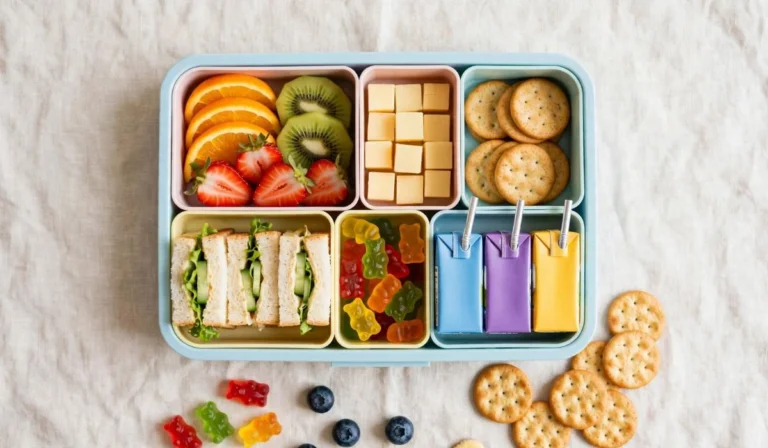
Bring familiar snacks that your child enjoys, while following airport and airline restrictions.
Entertainment
Pack a tablet with downloaded content, headphones, books, coloring activities, or small toys. Having several options can help when one activity loses its appeal.
Spare Clothes and Essentials
Children can spill food or drinks, so a spare outfit can be extremely useful. For babies and toddlers, include diapers, wipes, feeding supplies, and other essentials in your carry-on.
10. Money and Payment Methods
Keep your primary payment methods with you rather than placing them in checked baggage.
Credit or Debit Cards
Bring at least one reliable payment method and consider having a backup card stored separately.
Small Amount of Local Currency
A small amount of cash can be convenient for transportation, food, tips, or situations where card payments aren’t available.
11. Copies of Important Information
Digital copies can be useful if you lose access to your physical documents.
Save Documents Offline
Consider keeping offline copies of important information such as:
- Passport details
- Flight confirmation
- Hotel reservation
- Travel insurance information
- Emergency contacts
- Transportation bookings
Avoid carrying unnecessary sensitive information and use secure storage where possible.
12. What Not to Pack in Your Carry-On
Knowing what to leave behind is just as important as knowing what to bring.
Avoid Restricted Items
Airport security rules vary by country and airport, but common restrictions can apply to weapons, sharp objects, oversized liquids, hazardous materials, and other prohibited items.
Before packing, check the official security guidance for your departure airport and airline.
Don’t Overpack
Your carry-on should contain the things you genuinely need during the journey. An overloaded bag can be uncomfortable to carry and may exceed airline size or weight limits.
A useful rule is to ask yourself: “Would I need this during the flight or if my checked bag were delayed?” If the answer is no, it may not belong in your carry-on.
13. How to Organize Your Carry-On Bag
A well-organized bag is easier to use than one that is simply packed full.
Keep Important Items at the Top
Place your passport, ID, boarding pass, phone, wallet, and medications somewhere immediately accessible.
Use Small Pouches
Group electronics, toiletries, documents, and personal items into separate pouches. This reduces rummaging and makes security screening simpler.
Leave a Little Extra Space
Don’t pack your bag completely full. Extra space can be useful for items you pick up at the airport or things you remove during the journey.
14. A Simple Plane Packing Checklist
For a quick final check before leaving home, make sure you have:
- Passport or ID
- Boarding pass
- Phone
- Charger
- Power bank
- Headphones
- Essential medications
- Wallet and payment cards
- Travel documents
- Light jacket
- Water bottle
- Snacks
- Basic toiletries
- Entertainment
- Change of clothes for longer journeys
- Glasses or contact lens supplies
- Neck pillow, eye mask, or earplugs if needed
Final Thoughts:
The best things to take on a plane are the items that keep you prepared, comfortable, connected, and entertained without making your carry-on unnecessarily heavy. Start with your travel documents, medications, phone, payment methods, and essential electronics. Then add comfort items, snacks, toiletries, and entertainment based on the length and purpose of your trip.
Before you leave, always check your airline’s baggage policy and the security requirements for your departure airport. Rules can vary, and checking them in advance can save you time and frustration at the airport.
FAQs:
What should I take on a plane for a short flight?
For a short flight, focus on your ID or passport, boarding pass, phone, charger, wallet, essential medication, headphones, and a few comfort items. You usually don’t need a large amount of food or entertainment.
What should I keep in my carry-on instead of checked luggage?
Keep important documents, medication, money, electronics, valuables, and essential personal items in your carry-on. It’s also smart to pack basic necessities in case your checked luggage is delayed.
Can I bring food on a plane?
Many solid foods can be carried through airport security, but restrictions vary by airport and destination. International flights may also have customs restrictions on food entering a country.
Should I bring a water bottle on a plane?
Yes. A reusable water bottle can be useful, but you will generally need to empty it before going through airport security and refill it afterward.
What clothes should I wear on a plane?
Choose comfortable, breathable clothing and consider wearing layers. A light sweater or jacket is useful because cabin temperatures can feel cool.
Do I need a neck pillow for a flight?
A neck pillow isn’t essential, but it can be helpful on long flights if you plan to sleep or rest. Choose a compact design if carry-on space is limited.
What electronics should I take on a plane?
A phone, charging cable, power bank, and headphones are usually the most useful. For longer flights, you may also want a tablet, laptop, or e-reader depending on your needs.
How can I avoid overpacking for a flight?
Start with essential documents, medication, electronics, and a few comfort items. Then remove anything you are unlikely to use during the journey. Check your airline’s carry-on limits before you leave.