Travel To Kyoto | Unforgettable Japan Adventure
Travel to Kyoto is an experience unlike visiting any other major city in Japan. Ancient temples stand beside quiet residential streets, traditional wooden houses lead toward modern cafés, and peaceful gardens create a dramatic contrast with busy shopping districts. Kyoto is a destination where travelers can design completely different trips depending on their interests, whether that means chasing cherry blossoms, discovering Japanese history, exploring bamboo forests, tasting traditional cuisine, or finding quiet corners beyond the famous attractions.
This guide to Travel to Kyoto brings together practical planning advice, detailed trip ideas, essential destinations, transportation tips, seasonal inspiration, and travel facts to help you build a more meaningful Kyoto itinerary.
Kyoto has developed its distinctive character through more than 1,000 years of history, with neighborhoods shaped by culture, religion, nature, and traditional lifestyles.
For current maps, seasonal information, transportation guidance, and official visitor resources, visit Kyoto Travel Official Guide.
Why Travel to Kyoto Is Worth Adding to Your Japan Itinerary:
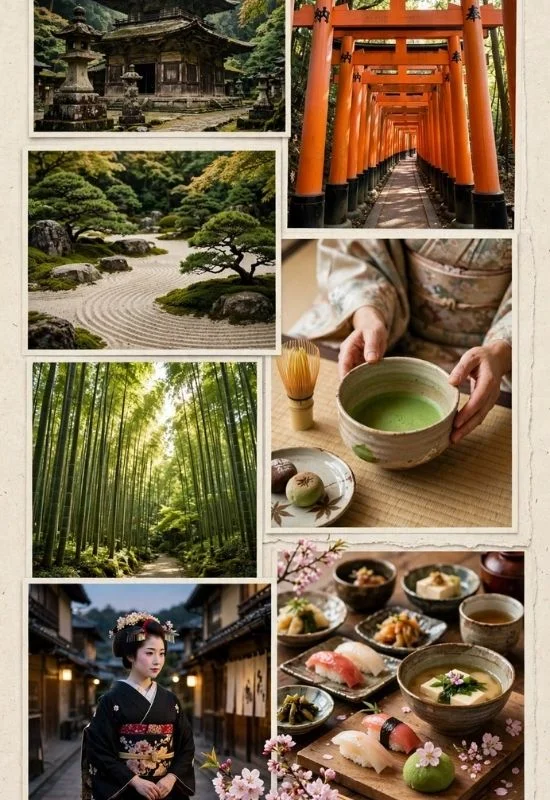
Kyoto offers an ideal combination of cultural attractions and everyday Japanese life. You can begin the morning at a historic temple, spend the afternoon in a traditional neighborhood, enjoy matcha in a quiet café, and finish the day with an evening walk beside the Kamo River.
Kyoto is especially suitable for:
- First-time visitors to Japan.
- Couples planning a romantic vacation.
- Solo travelers interested in culture.
- Families exploring Japanese history.
- Photography lovers.
- Food travelers.
- Nature and hiking enthusiasts.
- Travelers interested in traditional architecture.
Travel fact: Kyoto’s official tourism organization describes the city as a place where centuries of cultural development remain connected to modern life, with historic districts and lesser-known areas spread across the city.
How Many Days Should You Spend in Kyoto?
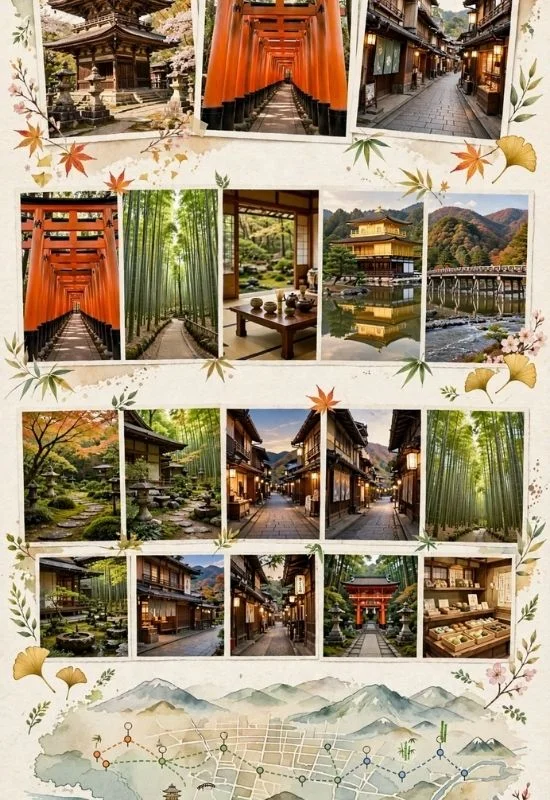
The best Kyoto itinerary depends on how deeply you want to explore.
A Short 2-Day Kyoto Trip
Best for travelers with limited time.
Focus on:
- Fushimi Inari Taisha.
- Kiyomizu-dera.
- Gion.
- Arashiyama.
- One or two food experiences.
Expect a fast-paced itinerary, so choose attractions by geographic area rather than traveling repeatedly across the city.
A Comfortable 3-Day Kyoto Trip
Three days give you enough time to experience Kyoto’s major districts.
A possible structure:
- Day 1: Higashiyama and Gion.
- Day 2: Fushimi Inari and central Kyoto.
- Day 3: Arashiyama and western Kyoto.
A 5-Day Kyoto Travel Experience
Five days allow you to travel more slowly and discover places beyond the famous tourist route.
Add:
- Northern Kyoto.
- Nishiki Market.
- Philosophers’ Path.
- Ohara.
- Fushimi’s sake district.
- Traditional cultural activities.
Travel fact: Kyoto’s official travel guide highlights quieter destinations including Ohara, Takao, Keihoku, Nishikyo, Yamashina, and Fushimi for travelers looking beyond the city’s best-known landmarks.
Best Time to Travel to Kyoto
Kyoto changes dramatically throughout the year, making seasonal planning important.
Spring: Cherry Blossoms and Traditional Scenery
Spring is one of the most popular times for travel to Kyoto.
Trip ideas include:
- Walking around historic temple grounds.
- Visiting parks during cherry blossom season.
- Exploring the Philosopher’s Path.
- Taking early-morning photographs.
- Enjoying seasonal sweets and tea.
The biggest challenge is crowding, so early mornings can provide a calmer sightseeing experience.
Summer: Festivals and Green Landscapes
Kyoto summers can be hot, but the season brings vibrant festivals and lush landscapes.
Try:
- Visiting temples early.
- Exploring indoor museums during midday.
- Walking in the evening.
- Enjoying riverside dining experiences.
- Planning around major seasonal events.
Autumn: Colorful Leaves and Comfortable Sightseeing
Autumn is ideal for travelers who enjoy:
- Temple gardens.
- Hiking.
- Photography.
- Traditional neighborhoods.
- Seasonal Japanese food.
Fall colors can transform Kyoto’s mountains, gardens, and temple landscapes.
Winter: A Quieter Side of Kyoto
Winter can offer a more peaceful travel experience.
Benefits include:
- Potentially fewer crowds at some attractions.
- Seasonal illuminations.
- Hot Japanese meals.
- Atmospheric temples.
- Beautiful views after occasional snowfall.
Travel To Kyoto | Unforgettable Japan Adventure:
1. Begin Your Travel to Kyoto at Fushimi Inari Taisha
Fushimi Inari Taisha is one of Kyoto’s most recognizable destinations.
The shrine is famous for its pathways lined with thousands of vermilion torii gates that lead toward the sacred mountain.
A successful trip includes:
- Arriving early in the morning.
- Walking beyond the busiest entrance area.
- Taking time to explore smaller sections of the trail.
- Wearing comfortable walking shoes.
- Bringing water during warmer months.
Travel fact: Fushimi Inari is located in Kyoto’s Fushimi area, a historic district also known for waterways and sake production. The area has more than 20 sake breweries.
2. Explore Higashiyama for Classic Kyoto Scenery
Higashiyama is one of the best areas for travelers who want to experience traditional Kyoto streets.
Your trip can include:
- Historic lanes.
- Traditional wooden buildings.
- Small souvenir shops.
- Japanese sweets.
- Temples.
- Photography opportunities.
The best approach is to avoid rushing. Allow time to walk slowly through the neighborhood and explore side streets.
A Better Higashiyama Travel Pattern
Start early near a major temple, then continue through smaller streets before the busiest part of the day.
Finish with:
- A traditional lunch.
- Matcha or dessert.
- A walk toward Gion.
This creates a natural route instead of repeatedly using transportation.
3. Visit Kiyomizu-dera for History and Panoramic Views
Kiyomizu-dera is one of Kyoto’s most famous temples and an essential stop for many first-time visitors.
Reasons to visit:
- Historic architecture.
- Elevated views across Kyoto.
- Seasonal scenery.
- Traditional temple surroundings.
- Easy access to the Higashiyama area.
Travel fact: Kyoto’s official transportation guide estimates that the Higashiyama and Kiyomizu area can be reached from Kyoto Station in approximately 35 minutes, depending on the route and transportation conditions.
4. Wander Through Gion After Exploring the Temples
Gion is one of Kyoto’s most famous traditional entertainment districts.
A respectful visit can include:
- Walking through public streets.
- Admiring traditional architecture.
- Visiting restaurants and cafés.
- Exploring nearby cultural attractions.
- Enjoying the atmosphere in the early evening.
However, responsible tourism is particularly important in Gion.
Kyoto’s official visitor guidelines ask travelers to respect local culture and privacy, including avoiding following geiko or maiko, photographing people without permission, trespassing, and photographing private property.
5. Discover Arashiyama and the Bamboo Forest
Arashiyama offers one of the most visually different Kyoto experiences.
The area combines:
- Bamboo groves.
- Mountains.
- Riverside scenery.
- Temples.
- Traditional streets.
- Scenic walking routes.
Make Arashiyama a Half-Day or Full-Day Adventure
Instead of visiting only the bamboo forest, expand your trip.
Consider:
- Early morning bamboo forest photography.
- Riverside walks.
- Temple visits.
- Local cafés.
- Exploring quieter western Kyoto areas.
Travel fact: Kyoto’s official transportation guide estimates travel from Kyoto Station to Saga and Arashiyama at approximately 25 minutes, making it one of the city’s accessible major sightseeing areas.
6. Taste Your Way Through Nishiki Market
Nishiki Market is an excellent destination for food-focused travelers.
Explore:
- Japanese snacks.
- Seasonal ingredients.
- Local sweets.
- Tea products.
- Traditional food specialties.
- Small takeaway dishes.
Food Travel Tip
Rather than planning one large meal, create a tasting experience.
Try a few items at different points, then sit down for a proper meal later in the day.
This style of travel gives you more opportunities to experience Kyoto’s food culture.
Read next: Travel To Osaka | Unforgettable Japan Adventure
7. Walk the Philosopher’s Path
The Philosopher’s Path is ideal for travelers looking for a slower and more peaceful Kyoto experience.
The route is particularly enjoyable for:
- Morning walks.
- Spring travel.
- Autumn travel.
- Photography.
- Solo travelers.
- Visitors who want a break from busy attractions.
Create extra time for nearby temples and cafés instead of treating the path as a quick photo stop.
8. Explore the Golden Beauty of Kinkaku-ji
Kinkaku-ji, commonly called the Golden Pavilion, is one of Kyoto’s most photographed landmarks.
The temple is surrounded by gardens and reflective water, creating different views throughout the seasons.
Trip highlights:
- Architectural photography.
- Garden walks.
- Seasonal scenery.
- Northern Kyoto exploration.
Travel fact: Kyoto’s official transportation information estimates that the Kinkaku-ji and Kinugasa area is approximately 40 minutes from Kyoto Station, depending on transportation conditions.
9. Experience the Calm of Kyoto’s Lesser-Known Areas
One of the best ways to create a different Kyoto itinerary is to go beyond the most famous attractions.
Ohara
Ohara offers:
- Rural scenery.
- Ancient temples.
- Traditional gardens.
- A slower atmosphere.
- Hot spring experiences nearby.
Kyoto’s official guide describes Ohara as a quieter area known for ancient temples, gardens, and hot springs.
Takao
Takao is an excellent choice for travelers who want:
- Mountain scenery.
- Green landscapes.
- Temple visits.
- Nature walks.
Nishikyo
Western Kyoto can provide a quieter alternative for visitors interested in nature and cycling.
Travel fact: Kyoto’s official guide specifically highlights quieter bamboo forests and cycling routes in the Nishikyo area.
10. Plan a Fushimi Sake and History Trip
Fushimi offers much more than Fushimi Inari.
This area is particularly interesting for:
- Historic streets.
- Canals.
- Traditional breweries.
- Japanese food.
- Cultural experiences.
The area’s high-quality water helped establish Fushimi as one of Japan’s important sake-producing districts.
11. Create a Traditional Kyoto Food Experience
Food should be an important part of your Kyoto travel itinerary.
Look for opportunities to try:
- Matcha desserts.
- Kyoto-style sweets.
- Tofu dishes.
- Seasonal Japanese cuisine.
- Traditional tea experiences.
- Local market food.
A Kyoto Food Trip Pattern
Morning:
- Coffee or Japanese breakfast.
Afternoon: - Market snacks.
- Traditional lunch.
Evening: - Seasonal dinner.
This gives your trip a slower rhythm and prevents every day from becoming a race between tourist attractions.
12. Travel Around Kyoto More Efficiently
Transportation planning can significantly improve your Kyoto vacation.
Kyoto’s official travel guide recommends using both trains and buses and provides transportation passes designed for sightseeing.
Useful travel strategies:
- Group attractions by area.
- Use trains when they offer easier access.
- Avoid unnecessary returns to Kyoto Station.
- Check congestion before traveling.
- Consider transportation passes based on your itinerary.
The current Subway & Bus 1-Day Pass provides unlimited rides on participating subway and bus services and is listed at 1,100 yen for adults and 550 yen for children.
13. Use a Smarter Sightseeing Route
A common Kyoto travel mistake is visiting one attraction in the east, then another in the west, followed by a return to central Kyoto.
A better strategy is to explore by geographic area.
Eastern Kyoto Day
- Kiyomizu-dera.
- Higashiyama.
- Gion.
- Evening riverside walk.
Southern Kyoto Day
- Fushimi Inari.
- Fushimi district.
- Food and cultural exploration.
Western Kyoto Day
- Arashiyama.
- Bamboo forest.
- Riverside scenery.
- Temples.
This approach reduces transportation time and creates a more relaxed vacation.
14. Travel to Kyoto With Kids
Kyoto can be an excellent family destination when the itinerary remains flexible.
Family-friendly ideas include:
- Short temple visits.
- Scenic train journeys.
- Bamboo forest walks.
- Food markets.
- Hands-on cultural activities.
- Parks and riverside areas.
Avoid creating an itinerary where children must visit numerous temples in a single day. Mixing cultural attractions with outdoor activities usually creates a more enjoyable experience.
15. Kyoto Trip Ideas for Couples
Kyoto is especially attractive for couples because of its atmosphere.
Romantic ideas include:
- Sunrise walks.
- Traditional tea experiences.
- Garden visits.
- Riverside dining.
- Evening walks through historic streets.
- Seasonal photography.
For a more memorable experience, choose one major attraction and leave the rest of the day flexible.
16. Kyoto Travel Ideas for Solo Travelers
Solo travelers can experience Kyoto at their own pace.
Great ideas include:
- Morning photography walks.
- Temple meditation experiences where available.
- Food tours.
- Hiking.
- Café hopping.
- Exploring quiet neighborhoods.
Kyoto is particularly rewarding when you allow time for unplanned discoveries.
A Perfect 3-Day Travel to Kyoto Itinerary
Day 1: Classic Kyoto
Morning:
- Kiyomizu-dera.
- Higashiyama walking route.
Afternoon: - Traditional food.
- Small shops and cafés.
Evening: - Gion.
- Riverside walk.
Day 2: Sacred Kyoto
Morning:
- Fushimi Inari.
Afternoon: - Fushimi exploration.
- Traditional food or cultural experiences.
Evening: - Downtown Kyoto.
Day 3: Nature and Scenic Kyoto
Morning:
- Arashiyama.
- Bamboo forest.
Afternoon: - Riverside walk.
- Temple exploration.
Evening: - Relaxed dinner.
A Different 5-Day Kyoto Travel Plan
Day 1
Eastern Kyoto and traditional neighborhoods.
Day 2
Fushimi Inari and the Fushimi area.
Day 3
Arashiyama and western Kyoto.
Day 4
Northern Kyoto, including Kinkaku-ji.
Day 5
Choose a quieter destination such as Ohara, Takao, or Nishikyo.
This itinerary pattern creates a more balanced vacation by combining famous landmarks with lesser-known areas.
Practical Travel to Kyoto Tips
Before your trip, remember:
- Wear comfortable walking shoes.
- Expect crowds at major attractions.
- Start popular sightseeing days early.
- Keep your luggage manageable.
- Check transportation routes before leaving.
- Respect residential areas.
- Follow photography rules.
- Carry water during summer.
- Allow extra time for traffic congestion.
Kyoto’s official tourism service also provides congestion information, maps, safety information, FAQs, and travel resources through the Kyoto Online Tourist Information Center.
Responsible Travel to Kyoto
Kyoto’s historic neighborhoods are living communities, not simply tourist attractions.
Visitors can help protect the city by:
- Respecting private property.
- Keeping noise levels reasonable.
- Avoiding photographing people without permission.
- Following rules in temples and shrines.
- Protecting natural areas.
- Supporting responsible local tourism.
Kyoto’s official guidelines specifically emphasize respecting Gion’s culture, protecting bamboo, helping preserve the city’s authenticity, and avoiding unlicensed taxis.
Where to Stay During Your Kyoto Trip
Kyoto Station Area
Best for:
- Transportation convenience.
- Short stays.
- Early departures.
- Travelers visiting multiple cities.
Gion and Higashiyama
Best for:
- Traditional atmosphere.
- Walking access to historic attractions.
- Couples.
- Photography lovers.
Downtown Kyoto
Best for:
- Restaurants.
- Shopping.
- Central access.
- Evening activities.
Arashiyama
Best for:
- Nature.
- Quiet mornings.
- Scenic stays.
- Travelers who want a slower trip.
Frequently Asked Questions
Is Kyoto worth visiting on a first trip to Japan?
Yes. Kyoto is one of Japan’s most rewarding destinations for travelers interested in history, traditional culture, temples, food, architecture, and seasonal scenery.
How many days are enough for Kyoto?
Three days are enough to see major attractions, while five or more days provide a more relaxed experience and allow you to explore quieter areas.
What is the best month to travel to Kyoto?
Spring and autumn are especially popular for seasonal scenery, while winter can provide a quieter experience. Summer is ideal for travelers interested in festivals and lush landscapes.
Is Kyoto expensive for tourists?
Kyoto can be enjoyed at different budgets. Accommodation and transportation choices can influence your total travel costs significantly.
Should I stay in Kyoto or Osaka?
Kyoto is better for travelers focused on traditional culture and historic attractions, while Osaka offers a more energetic urban experience, famous food districts, and nightlife. Combining both destinations can create an excellent Kansai itinerary.
Can you explore Kyoto without a car?
Yes. Public transportation, walking, and cycling can make it possible to explore many parts of Kyoto without renting a car. Kyoto’s official guide recommends combining trains and buses depending on your destination.
What should I not do when visiting Kyoto?
Avoid entering private property, following geiko or maiko, taking photographs without permission, and ignoring local rules in residential or cultural areas.
Is Kyoto good for food lovers?
Yes. Kyoto offers traditional Japanese cuisine, tofu dishes, matcha desserts, seasonal food, markets, cafés, and regional specialties.
What is the best way to plan a Kyoto itinerary?
Group attractions by neighborhood or geographic area. This reduces transportation time and makes the trip more enjoyable.
Travel to Kyoto?
Travel to Kyoto is best when you resist the temptation to see everything. The city has famous temples and iconic streets, but its most memorable moments often happen between the major attractions: a quiet garden, a peaceful side street, a small tea shop, a mountain view, or an early morning walk before the city becomes busy.
Plan your Kyoto trip around areas rather than individual attractions. Mix famous landmarks with quieter destinations, allow time for food and spontaneous exploration, and travel respectfully through the city’s historic neighborhoods.
A well-planned Kyoto journey can be a cultural adventure, a food vacation, a romantic escape, a photography trip, or a peaceful solo experience—and the best itinerary is the one that leaves enough room to discover Kyoto at your own pace.